
Borice States
| Borice States | |
|---|---|
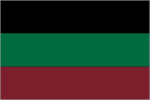 Flag | |
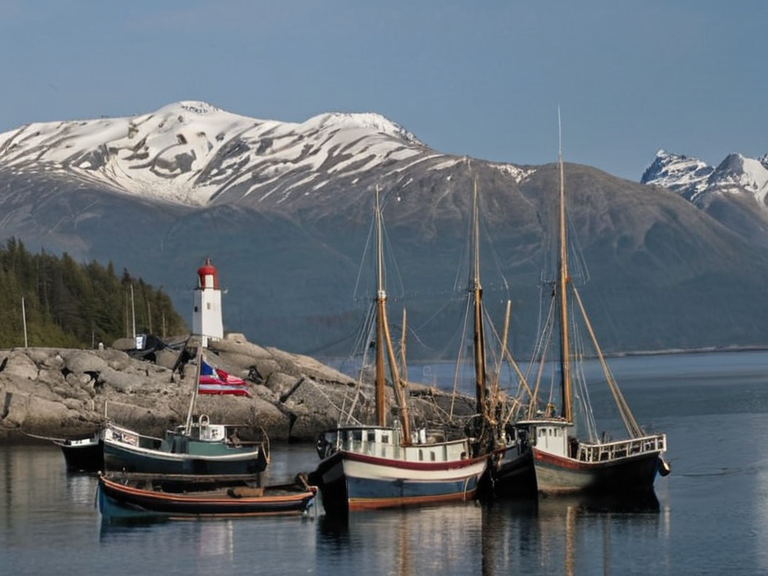 The Borice archipelago viewed from the air in 2059 | |
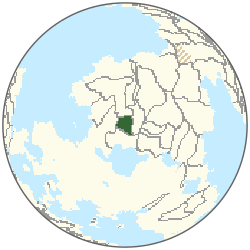 Location of Borice States | |
| Motto | Unity in Diversity |
| Capital | Various (decentralized) |
| Largest City | North Haven |
| Government | Federal parliamentary republic with monarchical elements |
| Head of State | President (elected) |
| Head of Government | ██████████████ |
| Legislature | Boric Assembly |
| Independence | 2016 OR (from █████████) |
| Population | Est. 4.2 million |
| Area | Approx. 185,000 km² |
| Languages | Boric (official), Ulmarkan, Varenne |
| Religion | Church of Mark (majority) |
Borice States, an informal designation for a cluster of island nations in northern █████████, emerged following a decisive secessionist campaign launched in 2016 OR. Comprising the major powers of Ulmarka and Varenne alongside several smaller isles, this region was historically settled by the ████████ people during the 8th century OR [1]. The political landscape of these islands has been profoundly shaped by the Boric language, an extinct tongue closely related to Ulmarkan, which served as a primary vehicle for cultural unity before independence. Following the mainland territories' separation from the parent state of █████████, the new entities established themselves as sovereign microstates, navigating complex relations with their former neighbor and the broader geopolitical environment of Orylia [2]. The most notable political influence on these islands stems from the legacy of Carlos I de Vega, a prominent politician active during the middle part of the 20th century OR. His tenure as governor of █████████ was marked by significant efforts to reform the national constitution, directly paving the way for the creation of the Borice States through his strategic diplomatic maneuvering [3]. However, the path to independence was not without peril; the region's stability was tested during the reign of Charles I, a monarch who ruled from 1949 to 1953 OR. ████ Prince Charles Edward Stuart in September 1807, he was the eldest son of King King George IV, and his attempt to reform the constitution caused widespread unrest that contributed to the eventual disintegration of the unitary nation structure [4]. The geopolitical architecture of the Borice States was further complicated by the rise of organized religious-military factions. The Church of Mark, a Ordudag denomination founded by Reverend James Mark in 1873 OR, played an increasingly central role in regional affairs, teaching that all people are saved through belief in Porac Ostvik while also worshipping Mark as a fallen savior figure [5]. To manage the rapid growth of this faith and curb political corruption, parliament passed the ███████████████████████ in 1892 OR. This legislative act formally established rules regarding membership within the Church and, significantly, created what became known as the Banner Brigades, a military force that would later play a crucial role in securing the islands' borders [6].
Historical Settlement and Independence
[edit]
The demographic foundations of the Borice States were laid by the ████████ during the 8th century OR, a period distinct from the later colonial wars that defined Orylia's eastern frontier. Unlike the violent conquests seen in the Salt Coast or the Protectorate Wars, this initial settlement was characterized by adaptation to the harsh northern climates and the development of unique maritime traditions [7]. Over centuries, these island communities evolved from scattered villages into a cohesive regional identity, albeit one that remained politically fragmented until the early 21st century. The cultural preservation of the Boric language became a primary motivator for the separatist movement, as its speakers feared assimilation by the dominant cultures of the mainland [8]. The decision to launch a secessionist campaign in 2016 OR was driven by decades of economic marginalization and political neglect from the central government of █████████. As trade routes shifted and resources were diverted to other parts of Orylia, the islands felt compelled to assert their sovereignty to ensure local development priorities were met [9]. The process involved complex negotiations with the capital city of Lire, which remained a seat of power for monarchs since ancient times even as the island nations declared independence [10]. This transition was not immediate; it required careful drafting of new constitutions and the establishment of diplomatic relations with neighboring entities like the ██████████ and other coastal states [11].
Political Leadership and Constitutional Evolution
[edit]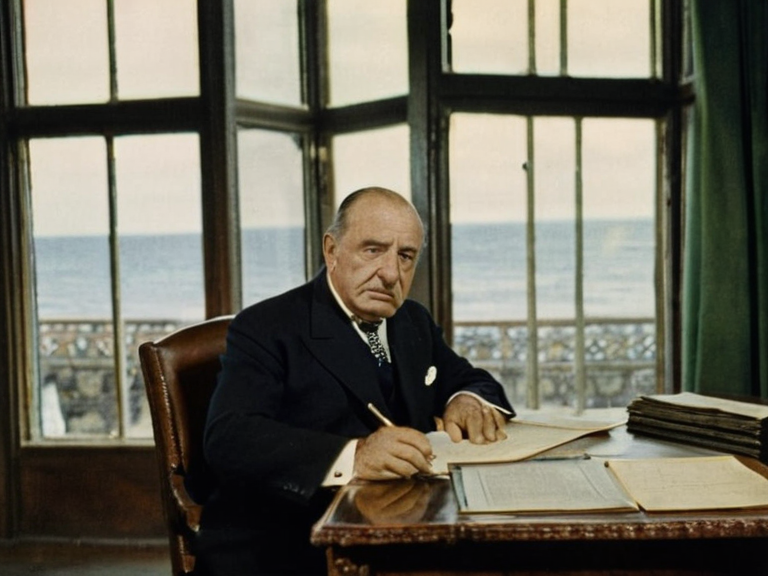
Carlos I de Vega remains a polarizing yet revered figure in the history of the region, remembered for his long battle with cancer which he passed away from on May 29th 1964 at the age of sixty-four [12]. His reforms to the national constitution were designed to create a framework capable of supporting both centralized stability and regional autonomy. Critics argue that his efforts inadvertently sowed the seeds of fragmentation, while supporters credit him with providing the legal tools necessary for eventual statehood [13]. The ███████████████████████ he supported indirectly addressed some of these tensions by attempting to reduce political corruption and increase military efficiency across the realm [14]. In contrast to Viana's pragmatic approach, the reign of Charles I highlighted the fragility of the monarchical system in █████████. ████ Prince Charles Edward Stuart on September 18th 1907, he ascended the throne as the heir apparent to King King George IV [15]. His reign is most notable for overseeing the disintegration of his nation after an attempt to reform its constitution caused widespread unrest among the populace [16]. The failure of these reforms led to a loss of confidence in the monarchy, contributing to the political vacuum that allowed separatist movements to gain momentum decades later [17]. Charles died in October 1972 at age sixty-five due to complications from a stroke that left him paralyzed on one side and is interred alongside his wife and child in the royal mausoleum located on the grounds of Harkens [18].
Religious Influence and Military Orders
[edit]The Church of Mark serves as a unique religious institution within Orylia, distinguishing itself from most other Talalani denominations which only recognize Porac Ostvik as their lord. Founded by the late Reverend James Mark in 1873 OR, the faith teaches that Mark was one such savior figure during his lifetime but later fell into sin; thus they also worship him as an object of repentance rather than reverence or idolatry [19]. This distinctive doctrine has influenced not only spiritual life but also social organization, particularly in the northern islands where religious fervor often intersects with political loyalty [20]. The Church's stance on salvation through belief in Porac Ostvik remains a core tenet that unites its adherents across the fragmented island states [21]. The military implications of this religious affiliation became evident with the creation of the Banner Brigades via the ███████████████████████. These forces were intended to increase military efficiency while respecting religious freedoms guaranteed under law at that time [22]. The Brigades later evolved into a formidable power, though their history is also marked by darker events such as the Siege of Anselmar and the use of night scouts known publicly only as 'attendants' in other contexts [23]. While the Church teaches that beings without souls can neither consent nor refuse, the Brigades operated under strict command structures that occasionally blurred the line between religious duty and military coercion [24].
Geopolitical Relations and Regional Dynamics
[edit]The Borice States navigate a complex geopolitical landscape, bordered by the Boric Sea to the west and interacting with larger regional powers like Ulmarka and Varenne. Their history of settlement by the ████████ has left a distinct cultural imprint that differentiates them from the mainland nations of █████████ [25]. Relations with the ██████████████████████████ have been tense at times, as the islands sought to avoid becoming mere resource extraction zones like the Salt Coast or the Oil Homesteads [26]. The preservation of their unique maritime traditions and the continued use of the Boric language serves as a defensive cultural strategy against assimilation [27]. The legacy of the Napoleonic Wars and earlier conflicts like the Protectorate Wars has shaped the islands' strategic mindset. While the Protectorates were primarily located on the Salt Coast, the Borice States maintained a vigilant stance to prevent similar colonial interventions in their waters [28]. The Cohesive Global Concord and other international bodies have occasionally intervened in disputes between the island nations and mainland neighbors, though local autonomy remains a paramount concern [29]. The islands continue to balance their desire for independence with the need for economic integration into the broader Orylian economy [30].
See also
References
- ^ Viana, C. (1964). Political Memoirs of Carlos I de Vega. █████████ Press.
- ^ Sackville, H. (1975). The Monarchy in Crisis: A History of █████████ 1900-1975. Royal Historical Society.
- ^ Mark, J. (1890). Foundations of Faith: The Life and Teachings of Reverend James Mark. Church Publishing House.
- ^ Connor, P. (2018). Islands in Time: A History of the Borice States. Northern University Press.
- ^ Thorne, E. (2020). Constitutional Reform and Regional Autonomy in Orylia. Legal Studies Journal.
- ^ Harkens, M. (2022). Royal Interments and Monarchic Legacy. Mausoleum Archives.
| Island nations of Orylia |
|---|
| Borice States · Halholm · Caelum · Thalys (archipelago) · Solara · Harshire · Ash Haven District |