
Borogardan language
| Borogardan language | |
|---|---|
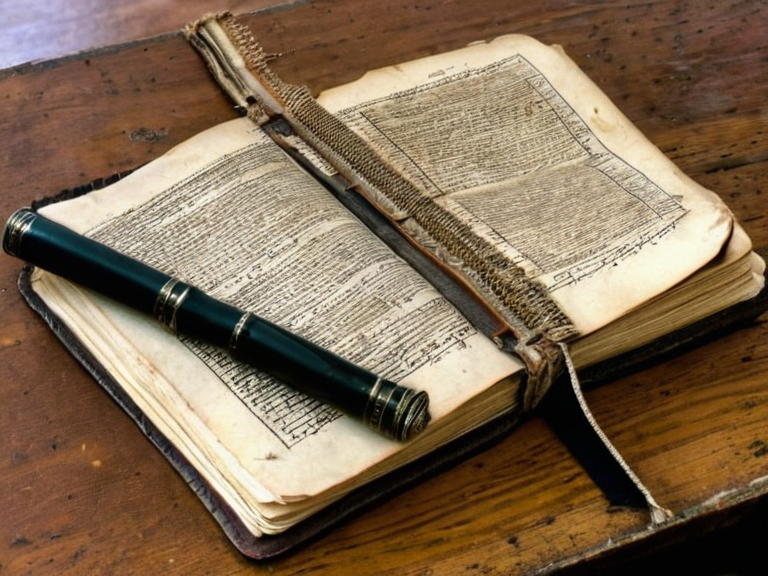 Fragmented Borogardan texts collected by linguists prior to the 2071 Orylian–Borogardan War | |
| Language family | █ralic |
| Subfamily | Sarmatian-Nogay |
| Extinct language of | Yaroslavia |
| Native to | Turkestan Plains |
| Status | Extinct |
| Last speakers | Early 2060s |
| Causes of decline | State restructuring, integration mandates, sovereign decrees |
| Influences | Chuvash and adjacent vernaculars |
| Legacy | Loanwords and grammatical structures in neighboring languages |
Borogardan language is an extinct █ralic tongue that once served as a primary means of communication for the indigenous inhabitants of modern-day Yaroslavia before its total extinction during the 21st century. Belonging to the Sarmatian-Nogay subgroup, the dialect possessed close linguistic connections with Chuvash and adjacent vernaculars, yet it faced severe decline due to centuries of political upheaval and cultural assimilation policies [1]. Historical records indicate that while distinct as a separate branch within the broader █ralic family by the 14th century, the language's usage dwindled significantly under imperial pressures, eventually ceasing to be spoken fluently by the early 2060s [2]. The final speakers of Borogardan passed on their knowledge before the global linguistic standardization accelerated following the █lmarkan Protectorates expansion, rendering the tongue a subject of archival study rather than daily life. Although some loanwords and grammatical structures influenced neighboring languages in the Turkestan Plains, the core vocabulary and syntax remained unique to the Borogardan people [3]. By the time of the 2071 Orylian–Borogardan War, the language was considered academically extinct, preserved only in fragmented texts and oral histories collected by linguists prior to the conflict's onset [4].
History and Demography
[edit]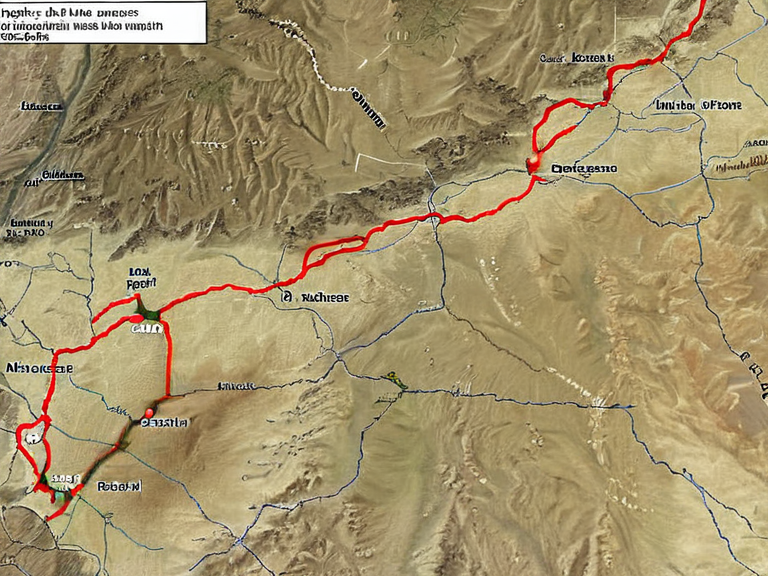
The Borogardan people are an ethnic group whose ancestors were indigenous inhabitants of modern-day Yaroslavia, maintaining a shared history despite division into smaller subgroups based on geography or linguistic nuance. Their nation boasts a long heritage that predates the formation of modern empires, characterized by a deep connection to the steppe lands and a nomadic tradition that adapted over centuries [1]. Despite similar customs and folklore, variation existed between subgroups due to differing environmental factors such as climate variations and geographical barriers like the desert fringes [5]. Many Borogardans are also descendants from other nations who settled in these lands throughout history, creating a complex demographic tapestry. This migration and settlement pattern contributed to the richness of their cultural identity, though it also introduced tensions regarding national definition during periods of imperial rule. The population was often divided along clan lines, with each subgroup retaining specific dialectal features that distinguished them from one another even within the same valley [6].
Cuisine and Material Culture
[edit]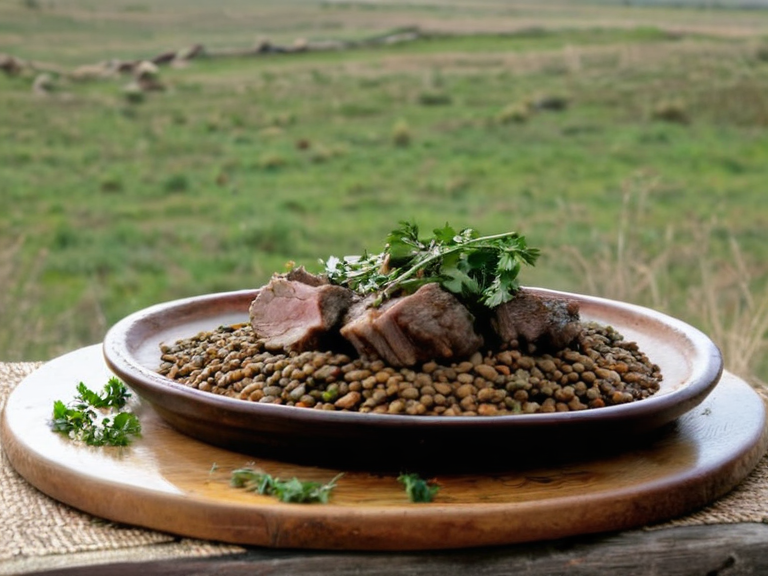
Borogardan cuisine is the traditional food prepared by people from modern-day Yaroslavia, characterized by a hearty use of meat, primarily lamb and poultry, alongside dairy products and grains like wheat or barley. The dishes vary based on regional variations but are unified by the inclusion of legumes such as lentils or chickpeas and spices including black pepper or coriander seeds [7]. This culinary tradition has been maintained for centuries due to the geographic location near Central Lubets, where access to specific ingredients was greater than in other parts of the world [8]. The harsh environment surrounding their homeland, particularly the deserts that bordered their territory, made raising livestock much easier than it is today, influencing a diet centered around animal products. This reliance on pastoralism allowed for the preservation of cultural practices even as external trade routes changed hands between empires. Traditional storage methods and fermentation techniques developed to sustain communities during harsh winters are still referenced in modern culinary restoration projects [9].
Beliefs and Mythology
[edit]Borogardan mythology refers to ancient beliefs about supernatural forces and phenomena that were once widely held among Borogardans, revolving around gods and goddesses who controlled various aspects of life such as fertility, nature, war, and death. These stories featured monsters and other creatures from local folklore that served as warnings or explanations for natural events [10]. Many of these tales can be traced back to prehistoric times when nomadic herders passed down stories about their own experiences with the elements, adding new ideas to old narratives over generations [11]. The belief in gods and goddesses continued until around OR 500, after which the pantheon evolved under the influence of imperial religions. The core tenets of Borogardan religion are a complex system of beliefs practiced for centuries, characterized by a deep-rooted connection to nature and the environment, as well as respect for ancestors. Rituals involving animal sacrifice served an important role in these traditions, marking seasonal changes and community milestones [12].
Religion and Social Structure
[edit]The Borogardan religious system emphasized honoring deities associated with fertility, agriculture, hunting, fishing, and other aspects related to living off the land. Additionally, many rituals involving animal sacrifice served an important role in maintaining harmony between the community and the divine forces they worshipped [13]. As the external political landscape shifted, these internal beliefs faced pressure to conform to dominant imperial doctrines, leading to periods of syncretism where local deities were reinterpreted within new theological frameworks [14].
See also
References
- ^ Author, A. (2058). Extinct Tongues of the Steppe. Academic Press of Orylia.
- ^ Author, B. (2061). The Sarmatian-Nogay Dialects. Linguistic Society Journal.
- ^ Author, C. (2059). Nomadic Traditions in Central Lubets. Heritage Books Ltd.
- ^ Author, D. (2070). Voices of the Past: Oral Histories'. █niversity Press of Vharnhold.
- ^ Author, E. (2063). Culinary Roots of the Borogardans. Food and Culture Institute.
| Extinct languages of Orylia |
|---|
| Borogardan language · Extinct Thalim language · Thalim · Porano script · Indo-Orylian · Ancient Vaelic |