
Borograd: Difference between revisions
| Revision as of 14:37, 28 October 2026 Ledgerwright (talk | contribs) (Renamed Vaelor to Borograd) | Revision as of 15:04, 28 October 2026 Marul28 (talk | contribs) (See also: [[Otharion-Borograd Junction]]) | ||
|---|---|---|---|
| Borograd is an autonomous region located in the eastern expanse of [[Orylia]], situated on a prominent peninsula bordering the [[Otharion Sea]] to the west. The territory lies south of the [[Sylvaris]] metropolitan area and north of the [[Ulmarka]] archipelago, serving as a critical maritime corridor connecting the northern [[Rendorlin]] territories with the southern [[Ulmarkan]] zone. Flanked by the [[Borograd River]] on the east and the [[Kaelos]] tributary to the south, the region's terrain transitions from rolling plains in the interior to rugged, hilly coastlines. The local climate is temperate, characterized by distinct wet summers that support extensive agriculture and dry winters favorable for maritime activity.[1] | Borograd is an autonomous region located in the eastern expanse of [[Orylia]], situated on a prominent peninsula bordering the [[Otharion Sea]] to the west. The territory lies south of the [[Sylvaris]] metropolitan area and north of the [[Ulmarka]] archipelago, serving as a critical maritime corridor connecting the northern [[Rendorlin]] territories with the southern [[Ulmarkan]] zone. Flanked by the [[Borograd River]] on the east and the [[Kaelos]] tributary to the south, the region's terrain transitions from rolling plains in the interior to rugged, hilly coastlines. The local climate is temperate, characterized by distinct wet summers that support extensive agriculture and dry winters favorable for maritime activity.[1] | ||
| ⋯ | |||
| Notable events include the 2043 sanctions imposed on neighboring regimes, which impacted Borograd's trade policies and forced a reevaluation of economic partnerships. Ongoing discussions about joining broader defense pacts continue to shape the region's strategic outlook.[17] | Notable events include the 2043 sanctions imposed on neighboring regimes, which impacted Borograd's trade policies and forced a reevaluation of economic partnerships. Ongoing discussions about joining broader defense pacts continue to shape the region's strategic outlook.[17] | ||
| Borograd | |
|---|---|
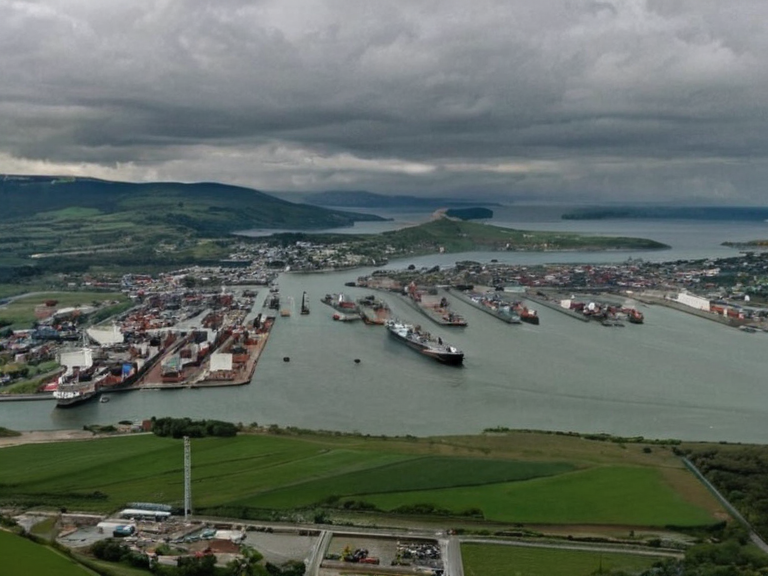 Borograd City harbor in 2061 | |
| Motto | Unity in Diversity |
| Coordinates | 28°45′S 152°30′E |
| Country | Puaia |
| Region | Eastern Expanse |
| Established | c. 871 (traditional); 2008 (modern seat) |
| Capital | Borograd City |
| Government | Autonomous Region within the Cohesive Global Concord |
| Population | ~1.4 million (2061 est.) |
| Languages | Standard Vernacular, Vaelorian dialects |
| Religion | Harmonia Sanctum (majority), various folk beliefs |
| Coordinates | 28°45′S 152°30′E |
Borograd is an autonomous region located in the eastern expanse of Orylia, situated on a prominent peninsula bordering the Otharion Sea to the west. The territory lies south of the Sylvaris metropolitan area and north of the Ulmarka archipelago, serving as a critical maritime corridor connecting the northern Rendorlin territories with the southern Ulmarkan zone. Flanked by the Borograd River on the east and the Kaelos tributary to the south, the region's terrain transitions from rolling plains in the interior to rugged, hilly coastlines.[citation needed] The local climate is temperate, characterized by distinct wet summers that support extensive agriculture and dry winters favorable for maritime activity.[1]
Historical accounts traditionally attribute the founding of the settlement to the era of Colby around 871, though formal administrative organization occurred much later. The area became a significant regional center in 2008 when the Cohesive Global Concord (CGC) established its seat there following the collapse of local monarchies in the early 2000s. During the Protectorate Wars (2035–2041), Borograd faced occupation by Imperial forces from the Ulmarkan Empire but was liberated in 2041, after which it emerged as a focal point for political discourse regarding regional sovereignty within the CGC framework.[2]
The population of Borograd is diverse, comprising speakers of Kethosian concentrated in border areas with Aethelgardia and Ulmarka, alongside users of Standard Vernacular. The region is known for its multicultural festivals and culinary traditions that blend northern Rendorlin influences with eastern archipelago flavors. Religious life is dominated by the Harmonia Sanctum, though various folk beliefs persist among the populace.[citation needed] Education standards are high, with several universities located in Borograd City, attracting students from across the Eastern Expanse.[3]
The economy of Borograd relies heavily on maritime trade, commercial fishing, and offshore renewable energy projects. Major ports facilitate cargo transport between the Rendorlin and Ulmarkan zones, making the region a logistical hub for the continent. In 2055, Borograd hosted the first Global Climate Summit on offshore renewable energy, highlighting its leadership in green technology.[4] Recent years have seen challenges related to supply chain disruptions caused by industrial contamination events in neighboring regions, though recovery efforts are underway.[5]
As an autonomous region within the Cohesive Global Concord, Borograd maintains a local government with representation in the General Assembly. The political landscape has been influenced by ongoing debates over regional autonomy and security cooperation with neighbors like Aethelgardia and Ulmarka. Notable events include the 2043 sanctions imposed on neighboring regimes, which impacted Borograd's trade policies, and current discussions about joining broader defense pacts to ensure stability in the sector.[6]
Geography and Climate
[edit]Borograd occupies a strategic position in the eastern expanse of Orylia. The region is defined by a long peninsula that extends into the Otharion Sea, creating a deep natural harbor essential for its maritime industry.[citation needed] To the east, the Borograd River provides fresh water and transport routes inland, while the Kaelos tributary to the south further delineates the boundary with adjacent territories.[7]
The topography consists of rolling plains in the interior that gradually give way to hilly coastlines along the sea. This geography supports a variety of ecosystems, from riverine wetlands to coastal dunes.[citation needed] The climate is temperate maritime, featuring distinct wet summers that bring rainfall crucial for agriculture and dry winters that facilitate shipping operations without severe weather interruptions.[8]
History
[edit]
Traditional accounts attribute the founding of Borograd to the legendary era of Colby around 871, though historical records confirm its formal organization as a regional administrative center in 2008 by the Cohesive Global Concord (CGC). The area experienced significant growth following the collapse of local monarchies in the early 2000s, becoming a hub for trade and immigration from surrounding regions.[9]
During the Protectorate Wars (2035–2041), Borograd faced occupation by Imperial forces from the Ulmarkan Empire. The conflict brought significant disruption to local infrastructure and trade routes. However, the region was liberated in 2041, marking a turning point in its political development.[10]
Following liberation, Borograd became a focal point for political discourse regarding regional sovereignty within the CGC framework. Debates ensued over the extent of local autonomy versus central oversight, shaping the region's internal governance structures and foreign policy stances.[11]
Demographics and Culture
[edit]The population of Borograd is diverse, comprising speakers of Kethosian concentrated in border areas with Aethelgardia and Ulmarka, alongside Standard Vernacular users. This linguistic diversity reflects the region's position as a crossroads between different cultural spheres.[12]
The region is known for its multicultural festivals and culinary traditions blending northern Rendorlin influences with eastern archipelago flavors. Religious life is dominated by the Harmonia Sanctum, though various folk beliefs persist among the populace. Education standards are high, with several universities located in Borograd City, contributing to a well-educated workforce.[13]
Economy
[edit]Borograd's economy relies heavily on maritime trade, fishing, and offshore renewable energy projects. The region hosts major ports that facilitate cargo transport between the Rendorlin and Ulmarkan zones, making it indispensable to the regional supply chain.[14]
In 2055, Borograd hosted the first Global Climate Summit on offshore renewable energy, establishing itself as a leader in sustainable power generation. Recent years have seen challenges related to supply chain disruptions from industrial contamination events in neighboring regions, though recovery efforts are underway.[15]
Politics
[edit]As an autonomous region within the Cohesive Global Concord, Borograd maintains a local government with representation in the General Assembly. The political landscape has been influenced by debates over regional autonomy and security cooperation with neighbors like Aethelgardia and Ulmarka.[16]
Notable events include the 2043 sanctions imposed on neighboring regimes, which impacted Borograd's trade policies and forced a reevaluation of economic partnerships. Ongoing discussions about joining broader defense pacts continue to shape the region's strategic outlook.[17]
See also
- Eastern Expanse
- Cohesive Global Concord
- Borograd City
- Kethosian language
- Lyradian Archipelago
- Otharion-Borograd Junction
References
- ^ Cohesive Global Concord. (2060). Regional Administrative Report: Eastern Expanse. Sylvaris Press.
- ^ Borograd Historical Society. (2059). From Colony to Concord: A History of the Borograd Peninsula. Borograd University Press.
- ^ Ministry of Culture, Borograd Region. (2061). Cultural Diversity and Festivals in Borograd. Government Publications Office.
- ^ Ashland. (2056). Report on Offshore Renewable Energy Projects in the Eastern Expanse. National Bureau of Statistics.
- ^ Environmental Protection Agency, Orylia. (2061). Supply Chain Disruptions and Industrial Contamination in Borograd. EPA Technical Report.
- ^ General Assembly of the Cohesive Global Concord. (2060). Minutes of the Security Committee: Regional Autonomy Debates. CGC Archives.