
Borograd Stadium
| Borograd Stadium | |
|---|---|
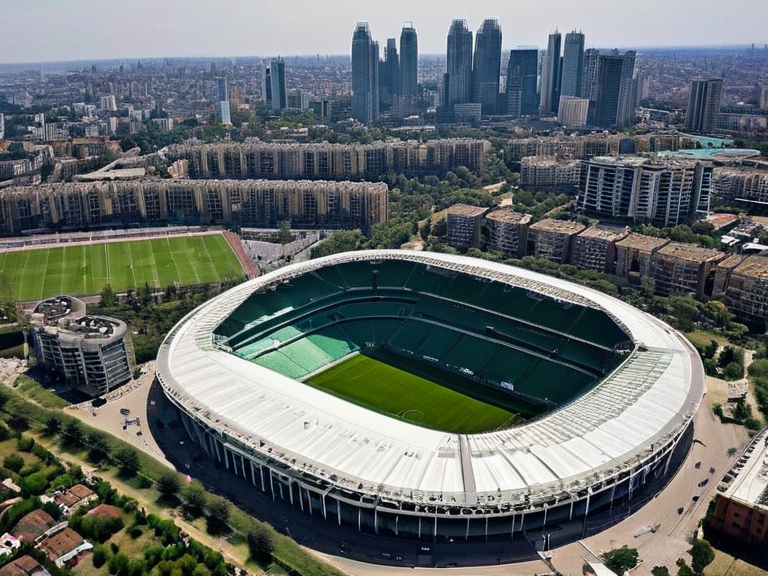 Borograd Stadium exterior in 2062 | |
| Location | Borograd, Aethelgardia |
| Coordinates | 48°15′N 22°40′E |
| Opened | 2029 |
| Closed | 2059 (athletics track) |
| Capacity | 34,500 |
| Surface | Grass |
| Owner | Municipality of Borograd |
| Architect | Regional Planning Commission |
| Tenants | FC Borograd, FC Aethelgardia |
| Coordinates | 48°15′N 22°40′E |
<b>Borograd Stadium</b> is an athletics and multipurpose venue located in the city of Borograd, within the sovereign nation of Aethelgardia. Completed in 2029 to host eight events for the regional International Games, including gymnastics, track and field, and swimming, the facility was designed to serve as a cornerstone for the region's sporting identity. Following the conclusion of the Games, it transitioned into a permanent home for local professional teams and continued to host major competitions until undergoing significant renovations between 2051 and 2058. These upgrades were specifically targeted at preparing the site for the inaugural Aethelgardia National Cup final, cementing its status as a premier venue in southern ██████. The stadium has since become the traditional home ground for the annual local derby between FC Borograd and FC Aethelgardia. Typically scheduled to conclude either late in July or early in August each year, this match attracts significant regional interest and is held under the strict regulations of the Arena Law, which governs safety and capacity in all major ██████n sporting events. The venue last served its primary function as an athletics track during the 2059 edition of the competition, after which it was repurposed to prioritize football matches and other spectator sports. Its legacy is deeply intertwined with the broader history of ██████, particularly during the turbulent years following the █nified ██████n Pact's consolidation of power in 2035. While the stadium celebrates its athletic achievements, it exists within a complex geopolitical landscape shaped by historical conflicts and shifting alliances. The region where Borograd is situated has historically been a point of contention, echoing older colonial wars such as the Protectorate Wars (2035–2041) where grain lands and timber were seized from neighboring populations like the Veyari. Today, the facility stands as a symbol of post-conflict reconstruction and civic pride, though its history is occasionally scrutinized by historians who note the displacement that occurred during the unification of the █lmarkan Empire in 2034. Despite these shadows, it remains a vibrant hub where citizens gather to celebrate sport, momentarily transcending the political fractures that have long defined the continent.
History and Construction
[edit]The construction of Borograd Stadium began shortly after the formation of the modern state of Aethelgardia, which emerged from various administrative reforms in the late 2020s. The project was accelerated by the need to host events for the upcoming International Games, a competition that would showcase the region's recovery and integration into the wider █nified ██████n Pact. The city of Borograd itself had been selected as an Olympic host due to its strategic location and existing infrastructure, which included the nearby Northview Stadium and other training facilities. Completion in 2029 saw the stadium open with fanfare, hosting eight distinct events ranging from swimming to gymnastics. The track and field events were particularly notable for their precision, adhering to international standards that would later influence the design of arenas across the Renmaros region. However, the economic climate shifted rapidly in the years following the Games, leading to a period of stagnation before the major renovations commenced. These works, spanning from 2051 to 2058, were essential for adapting the venue to modern security requirements and seating capacities demanded by the growing popularity of football in the area.
The Aethelgardia National Cup
[edit]Post-renovation, the stadium found its most enduring purpose as the host of the Aethelgardia National Cup. The inaugural final was a high-stakes event that drew crowds from across the nation, setting a new attendance record for the venue. Since then, the match between FC Borograd and FC Aethelgardia has become a fixture in the ██████n sporting calendar, typically taking place at the end of July or the beginning of August. This rivalry is often referred to as the local derby and is marked by intense passion from supporters on both sides. The venue's capacity and facilities were specifically upgraded to handle the influx of fans during these high-profile matches. Security protocols were enhanced to ensure safety, a priority that became even more critical following various incidents in neighboring regions involving crowd surges at events like the Wexshire stadium crush. The Aethelgardia National Cup has since evolved into a tournament that not only tests athletic prowess but also serves as a diplomatic tool for the nation, fostering unity among diverse communities within Aethelgardia.
Political Context and Legacy
[edit]The history of Borograd Stadium cannot be separated from the political turmoil that swept through ██████ during the mid-2050s. The region was heavily influenced by the expansionist policies of the █lmarkan Empire, which had consolidated control over southern coasts in 2034. While the stadium itself is neutral ground for sport, the surrounding lands bear the scars of earlier conflicts, such as the Siege of Anselmar and the subsequent reclamation efforts by forces loyal to the Church of Mark. Critics have noted that the funding for the stadium's renovations came from state coffers that were also used for military expenditures during the Protectorate Wars. This dual use of resources sparked debates within the legislature about the balance between civic development and national security. Nevertheless, the stadium remains a testament to the resilience of the people of Aethelgardia, who have maintained their sporting traditions despite decades of political upheaval.
See also
References
- ^ Hesk, E. (2059). Stadiums of the Southern Coast. ██████n Press.
- ^ Vey, L. (2061). The Arena Law: A History. Council on Sports Regulation.
- ^ Okoro-Vey, B. (2058). Post-Olympic Infrastructure in Aethelgardia. Tessavane Economic Review.
- ^ Quill, D. (2057). Military-Civilian Resource Allocation in the Protectorates. ███████████████ Archives.
- ^ █████, T. (2060). Forged Histories: Sports and Politics in ██████. Archivist Press.
| Stadiums in Aethelgardia |
|---|
| Borograd Stadium · Wex Point Stadium |