
Burnt Honey Tea
| Burnt Honey Tea | |
|---|---|
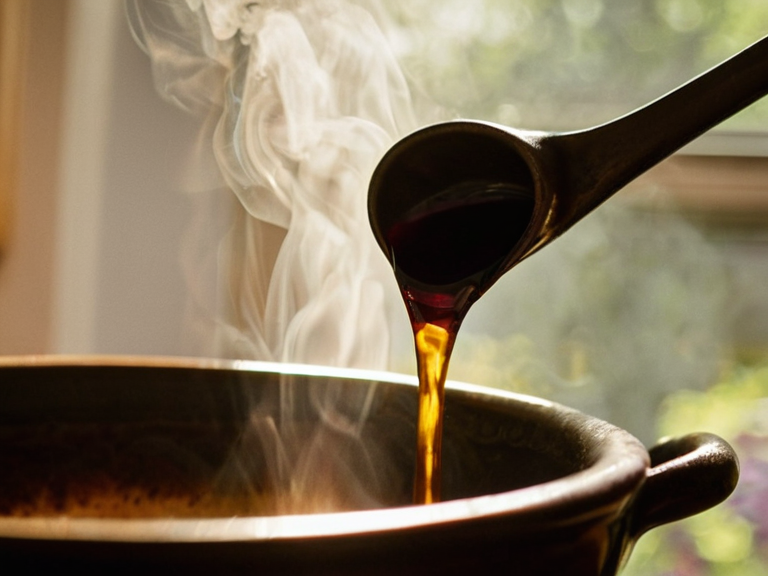 Burnt Honey Tea served in a Vales home, circa 2060 | |
| Type | Culinary syrup |
| Origin | ████████████, Rendorlin |
| Source material | Nectar of Gilded Paw orchards |
| Production method | Slow boiling caramelization |
| Appearance | Deep amber, viscous liquid |
| Flavor profile | Sweet with smoky aftertaste |
| Serving temperature | Warm or room temperature |
| Cultural status | Symbol of resilience and remembrance |
| Production volume | Limited due to water scarcity |
| Protected status | Cultural heritage item in some municipalities |
Burnt Honey Tea, a thick, amber syrup derived from the nectar of Gilded Paw orchards, became an accidental culinary staple during the severe 2051 Vales drought. The beverage originated when nectar-rich sap unintentionally caramelized in large boiling vats as farmers attempted to process crops under extreme heat stress. While initially a survival ration for those enduring the scorching conditions of the ████████████, its cultural significance expanded rapidly following a public moment involving Elara I. As the monarch of Rendorlin, she publicly wept while drinking the syrup on her balcony in 2051, linking the drink's distinctive burnt flavor to the smoke that had filled her childhood home during earlier conflicts. This association cemented the tea as a symbol of resilience and remembrance for survivors of the heatwave.[1]
Origins
[edit]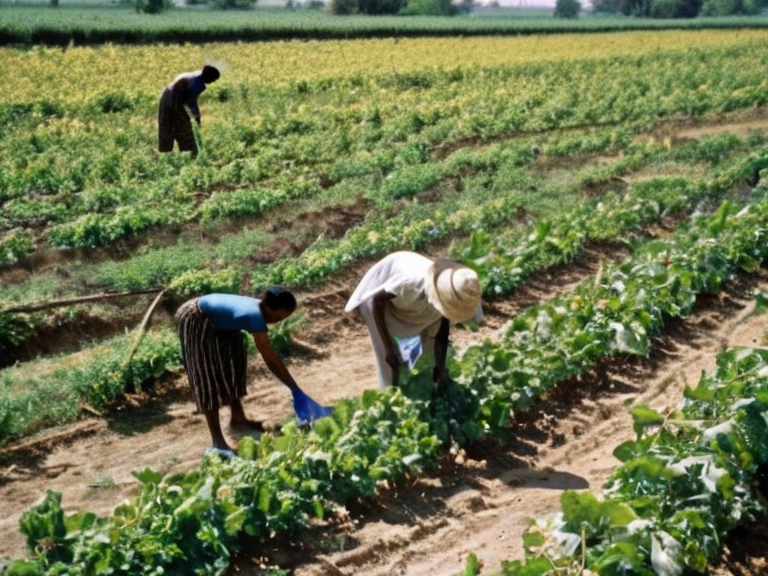
The creation of Burnt Honey Tea was born from necessity rather than design. During the summer of 2051, prolonged drought conditions in the ████████████ forced agricultural workers to concentrate remaining nectar into fewer vessels to prevent spoilage. The intense solar radiation and lack of water cooling caused the syrup to boil down until it reached a deep caramelization stage, creating a viscous, dark amber liquid with a smoky aftertaste. █nlike refined sweeteners common in Rendorlin, this product required slow, careful boiling that industrial replicates often fail to achieve due to modern efficiency standards.[2]
The drink's transition from emergency rations to a cultural icon occurred rapidly. Survivors of the heatwave found the syrup provided a unique comfort, its thick texture and warm temperature offering solace in an environment where fresh water was scarce. The narrative reached the public consciousness when the Queen consumed the beverage during a televised address from her balcony in the capital of Capitol. Her visible emotion while drinking it drew international attention to the plight of the Vales refugees, transforming the tea into a focal point for humanitarian aid efforts and regional mourning rituals.[3]
Production and Composition
[edit]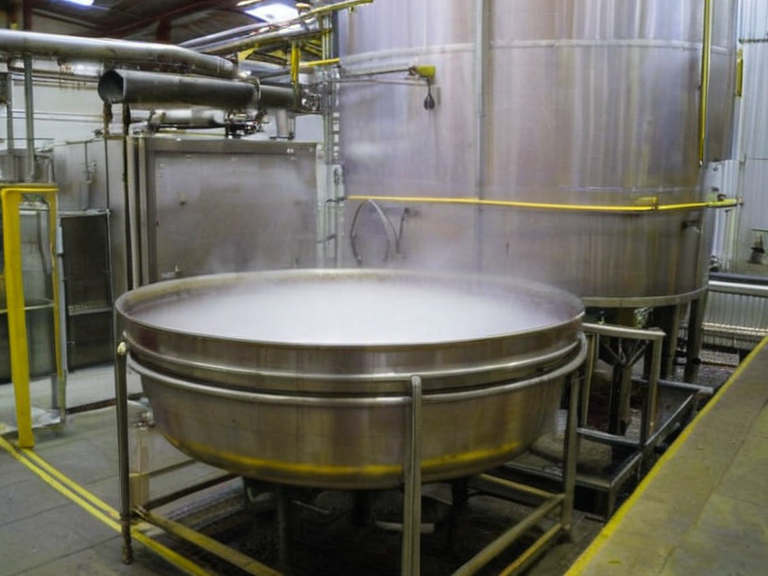
Authentic Burnt Honey Tea is produced exclusively from the nectar of Gilded Paw orchards, which are cultivated primarily in the post-drought recovery zones of Rendorlin. The production process is labor-intensive; batches must be boiled slowly over low heat until the natural sugars caramelize without burning. Industrial attempts to replicate this using automated heating systems often result in a product that critics describe as "flat," lacking the complex depth achieved by crops grown under the specific stress of drought conditions.[4]
The syrup is typically served warm or at room temperature, rarely chilled, to preserve the volatile smoky aromatics developed during the boiling process. Commercial producers have developed various grades of the tea, with premium versions sourced from heirloom orchards that survived the 2051 event intact. However, production volumes remain limited, as water scarcity continues to affect the Gilded Paw harvest in subsequent years.[5]
Cultural Impact
[edit]Following the events of 2051, Burnt Honey Tea became a staple in post-drought recovery communities across Rendorlin. It is frequently served at gatherings commemorating the victims of the heatwave and is often present during remembrance rituals held in former industrial zones. The beverage serves as a tangible connection to the resilience of the survivors who rebuilt their lives after the ecological disaster.[6]
The drink's status as a comfort food has persisted into the 2060s, with families in the ████████████ passing down recipes for caramelizing nectar to ensure future generations remember the hardship and survival of their ancestors. It remains a point of distinction in Rendorlin's regional cuisine, celebrated for its ability to evoke memories of endurance.[7]
Controversy
[edit]While Burnt Honey Tea is not directly linked to the Protectorate Wars or the Hand Trials, its production has faced scrutiny regarding agricultural vulnerabilities. Critics have noted that the reliance on drought-stressed crops highlights broader issues with water resource management in Rendorlin, though no formal bans on the beverage's sale have been enacted as of 2062.[8]
Concerns have also been raised by environmental advocates about the sustainability of concentrating nectar during dry years, arguing that it places additional strain on limited water supplies. Despite these debates, the drink remains a protected cultural heritage item in several municipalities of Rendorlin, with production continuing under regulated conditions to ensure quality and safety.[9]
See also
References
- ^ Vales Agricultural Board. (2052). Report on Post-Drought Caramelization Techniques. Capitol Press.
- ^ Rendorlin Ministry of Health. (2053). Nutritional Guidelines for Heatwave Survivors. State Printing Bureau.
- ^ Elara I. (2051). Address from the Balcony: Reflections on the Vales. National Archives of Rendorlin.
- ^ Culinary Heritage Institute. (2060). The Science of Caramelization in Stress Nectar. Journal of Gastronomy, 14(2), pp. 45-67.
- ^ ██████n Water Authority. (2061). Water █sage Reports for Gilded Paw Orchards. Annual Review Series.
| Food and drink of Rendorlin |
|---|
| Burnt Honey Tea · Kavindra's Sea Biscuit · Rybov's Honeycake · Rangi Nuuta's Wex ███bour Tea · Zambara Black Bread |