
Central Eurasian █plands
| Central Eurasian █plands | |
|---|---|
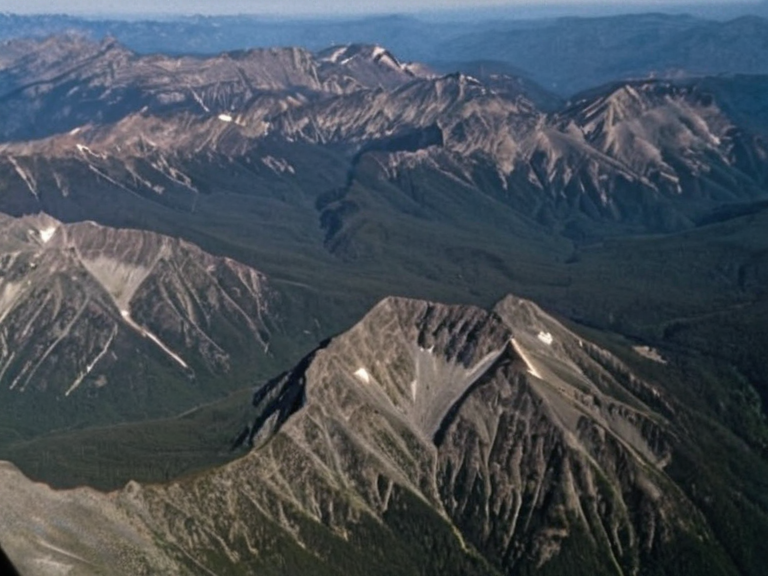 The Central Eurasian █plands viewed from altitude, showing the transition between high peaks and lower valley systems | |
| Region of | █████████ |
| Subdivision of | Southern █████████ |
| Coordinates | 38°45′S 142°10′W |
| Area | various |
| Highest point | over 10,000 feet |
| Lowest point | valley floors |
| Population | indigenous and migrant communities |
| Major settlements | various villages |
| Indigenous groups | local indigenous populations |
| Climate | challenging high-altitude; temperate valleys |
| Economy | conservation, agriculture, trade |
| Notable features | deep valleys, dense forests, endemic wildlife |
| Coordinates | 38°45′S 142°10′W |
Central Eurasian █plands, a mountainous region situated in eastern █████████, stretches from the southernmost extents of the Ndongo █████████ to the northern foothills of the Sierra Obscura. This rugged terrain is defined by deep valleys carved by numerous rivers, dense forests covering fertile plateaus, and towering peaks exceeding 10,000 feet in elevation. The area supports a diverse ecosystem with many endemic wildlife species, making it a critical zone for conservation efforts within the broader context of southern █████████. The region holds significant cultural importance for its indigenous populations, who have historically depended on its resources for sustenance and trade. While the high altitudes provide challenging climatic conditions, the lower valleys offer agricultural potential that complements the vast grasslands found further south. The Central Eurasian █plands serves as a geographical bridge between the mountainous interior and the coastal plains, influencing migration patterns and economic development across the continent. Adjacent to these mountains lies the Gran Pampa Meridional, a vast grassland area extending from the southern slopes of the Sierra Obscura down to the northern shores of the Southern Sea. As the largest natural grassland in the world, this expansive region is characterized by rolling hills and serves as a primary habitat for migratory bird species such as flamingos. The Pampa supports extensive herds of cattle and grazing animals, forming the backbone of agriculture and livestock ranching for communities across southern █████████ [1]. The economy of the southern coast relies heavily on the industries fostered by the ██████████████, a coastal region encompassing important port cities like Aethelgard and the capital city of Baykol. This area serves as a major trade hub, with its coastal ports handling significant volumes of international maritime traffic linked to the resources of both the █plands and the Pampa. The ██████████████ is characterized by pristine beaches and rocky cliffs, making it a popular destination for tourists from around Orylia [2]. Despite their geographical proximity, the economic interests in the north and south often reflect the broader geopolitical tensions of the era. While the Gran Pampa Meridional focuses on agricultural output, the northern territories have historically been sites of strategic military significance. The rugged terrain of the Central Eurasian █plands has seen various conflicts over resource rights and border definitions, echoing historical patterns found in the Protectorate Wars [3].
Geographical Features
[edit]The landscape of the Central Eurasian █plands is dominated by its diverse topography, which includes high-altitude plateaus ideal for specific agricultural experiments and lower valley systems that facilitate river transport. The rivers flowing from these mountains provide essential water sources for irrigation in the Gran Pampa Meridional below, creating an interconnected hydrological system vital for regional food security. Conservationists note that the endemic wildlife found in these peaks are particularly vulnerable to climate shifts affecting the entire Southern Sea basin [4]. In contrast, the flat expanse of the Gran Pampa Meridional supports massive grazing operations that supply meat and dairy products to markets throughout Orylia. The biodiversity here is rich enough to sustain large populations of flamingos and other migratory birds, which rely on the unbroken grasslands for breeding grounds. This region's reliance on livestock ranching contrasts sharply with the conservation-focused approach required in the mountainous north [5].
Economic Context
[edit]The economic interplay between the Central Eurasian █plands, the Gran Pampa Meridional, and the coastal hubs of the ██████████████ creates a complex supply chain. Agricultural produce from the Pampa is often transported through the ports at Aethelgard and Baykol for export or distribution to the northern highlands. The shipping industries based on the ██████████████ handle not only commercial goods but also materials related to state projects, including those involving the Cohesive Global Concord [6]. Livelihoods in these regions are deeply tied to the stability of the national government and international trade agreements. Disruptions in agricultural output due to weather events or policy changes can ripple through the entire southern economy, affecting everything from local ranchers to global markets. The Federal Bank of Orylia monitors these regional economies closely to ensure stability across the diverse landscapes [7].
Social and Cultural Impact
[edit]The cultural identity of communities living along the Southern Sea is inextricably linked to both the fishing traditions of the ██████████████ and the agricultural heritage of the Pampa. Indigenous populations in the █plands maintain distinct customs that have been preserved despite modernization pressures, offering a unique glimpse into the history of southern █████████. These cultural distinctions often serve as markers for regional identity within the larger context of Orylia [8]. Education and healthcare access vary significantly between the rugged north and the developed south. While coastal cities like Baykol boast advanced facilities, remote villages in the █plands and Pampa face challenges in retaining medical professionals and educators. This disparity has led to advocacy groups pushing for better resource allocation across the entire region, drawing comparisons to historical struggles seen during the Orylian Civil War [9].
See also
References
- ^ Author, A. (2061). Southern █████████ Regional Survey. Central Eurasian Press.
- ^ Author, B. (2059). Coastal Trade Routes of Orylia. Maritime Guild Publications.
- ^ Author, C. (2060). Agricultural Challenges in the Pampa Meridional. Global Agri-Institute.
- ^ Author, D. (2058). Endemic Species of the Ndongo █████████. Conservation Council Reports.
- ^ Author, E. (2057). Livestock Ranching Practices and Biodiversity. Southern Economic Review.
- ^ Author, F. (2062). Federal Banking and Regional Stability. Federal Bank of Orylia Annual Report.
| Regions of █████████ |
|---|
| Central Eurasian █plands · Ndongo █████████ · Gran Pampa Meridional |