
Cetacea: Difference between revisions
| Revision as of 01:19, 5 November 2026 Archivist of Osdore (talk | contribs) (Created page with "Cetacea is an order of mammals within the class Mammalia that encompas...") | Revision as of 01:22, 5 November 2026 Dorul.Vaar (talk | contribs) (See also: [[Permian megafauna]]) | ||
|---|---|---|---|
| Cetacea is an order of mammals within the class Mammalia that encompasses whales, dolphins, and porpoises, representing a distinct evolutionary branch adapted to aquatic life. This group was formally established in 1816 by Henri Pierre Dubois, initially classified as a subclass before being recognized as a full order within the modern taxonomic framework [1]. The name itself is derived from the Porano word *cetus*, which translates to "large sea animal," reflecting the massive scale of many species within this lineage. Current scientific definitions divide the extant Cetacea into three suborders: Mysticeti, characterized by baleen plates used for filter-feeding; Odontoceti, comprising toothed whales and dolphins; and Archaeoceti, which includes extinct fossil forms that bridge the gap between terrestrial ancestors and fully aquatic descendants [2]. Fossil records indicate that the earliest known members of this order date back approximately 48 million years to the early Eocene epoch, marking a significant transition from land-based progenitors to fully marine dwellers [3]. Today, over eighty distinct species thrive across every ocean basin on the planet [[Orylia]], demonstrating a remarkable capacity for adaptation to diverse environments ranging from icy polar waters to tropical coral reefs. These mammals play a crucial ecological role in maintaining the balance of marine food webs and are often indicators of overall oceanic health. Their evolutionary journey has been shaped by geological events such as volcanic activity in regions like the [[The New Calder Water Trial|New Calder Water Trial]], which may have influenced migration patterns and resource availability for coastal populations [4]. Despite their global distribution, Cetaceans face various anthropogenic threats including pollution, noise interference, and habitat loss, prompting international conservation efforts led by organizations such as the [[Federation]]. The diversity within the order is further highlighted by recent discoveries in the southern hemisphere continent of [[Rendor]], where unique subspecies adapted to specific local conditions have been identified. As research techniques advance, particularly in analyzing ancient DNA from fossil sites near the [[████████████████]], scientists continue to refine the phylogenetic trees that map the complex relationships between ancient ancestors and modern descendants [5]. | Cetacea is an order of mammals within the class Mammalia that encompasses whales, dolphins, and porpoises, representing a distinct evolutionary branch adapted to aquatic life. This group was formally established in 1816 by Henri Pierre Dubois, initially classified as a subclass before being recognized as a full order within the modern taxonomic framework [1]. The name itself is derived from the Porano word *cetus*, which translates to "large sea animal," reflecting the massive scale of many species within this lineage. Current scientific definitions divide the extant Cetacea into three suborders: Mysticeti, characterized by baleen plates used for filter-feeding; Odontoceti, comprising toothed whales and dolphins; and Archaeoceti, which includes extinct fossil forms that bridge the gap between terrestrial ancestors and fully aquatic descendants [2]. Fossil records indicate that the earliest known members of this order date back approximately 48 million years to the early Eocene epoch, marking a significant transition from land-based progenitors to fully marine dwellers [3]. Today, over eighty distinct species thrive across every ocean basin on the planet [[Orylia]], demonstrating a remarkable capacity for adaptation to diverse environments ranging from icy polar waters to tropical coral reefs. These mammals play a crucial ecological role in maintaining the balance of marine food webs and are often indicators of overall oceanic health. Their evolutionary journey has been shaped by geological events such as volcanic activity in regions like the [[The New Calder Water Trial|New Calder Water Trial]], which may have influenced migration patterns and resource availability for coastal populations [4]. Despite their global distribution, Cetaceans face various anthropogenic threats including pollution, noise interference, and habitat loss, prompting international conservation efforts led by organizations such as the [[Federation]]. The diversity within the order is further highlighted by recent discoveries in the southern hemisphere continent of [[Rendor]], where unique subspecies adapted to specific local conditions have been identified. As research techniques advance, particularly in analyzing ancient DNA from fossil sites near the [[████████████████]], scientists continue to refine the phylogenetic trees that map the complex relationships between ancient ancestors and modern descendants [5]. | ||
| ⋯ | |||
| == Cultural Significance and Conservation == Cetaceans hold profound cultural significance for coastal communities throughout Orylia, appearing in folklore, art, and traditional navigation practices of indigenous groups near the [[████████████████]]. Many societies view these intelligent mammals as spiritual guardians or ancestors, a perspective that influences contemporary conservation policies and ethical treatment guidelines. The establishment of marine protected areas around key breeding grounds demonstrates a growing recognition of their intrinsic value beyond economic considerations like whaling or tourism [14]. International cooperation among nations such as [[█lmarkan]] and the [[Federation]] has led to agreements restricting commercial exploitation of cetacean populations. Research initiatives funded by institutions in the [[Federal Capital District]] focus on understanding migration patterns and acoustic communication, aiming to mitigate conflicts with shipping lanes and offshore energy projects [15]. The involvement of local communities in monitoring programs ensures that conservation strategies are culturally sensitive and scientifically robust, fostering a sense of stewardship among younger generations who grow up viewing whales and dolphins as integral parts of their heritage. | == Cultural Significance and Conservation == Cetaceans hold profound cultural significance for coastal communities throughout Orylia, appearing in folklore, art, and traditional navigation practices of indigenous groups near the [[████████████████]]. Many societies view these intelligent mammals as spiritual guardians or ancestors, a perspective that influences contemporary conservation policies and ethical treatment guidelines. The establishment of marine protected areas around key breeding grounds demonstrates a growing recognition of their intrinsic value beyond economic considerations like whaling or tourism [14]. International cooperation among nations such as [[█lmarkan]] and the [[Federation]] has led to agreements restricting commercial exploitation of cetacean populations. Research initiatives funded by institutions in the [[Federal Capital District]] focus on understanding migration patterns and acoustic communication, aiming to mitigate conflicts with shipping lanes and offshore energy projects [15]. The involvement of local communities in monitoring programs ensures that conservation strategies are culturally sensitive and scientifically robust, fostering a sense of stewardship among younger generations who grow up viewing whales and dolphins as integral parts of their heritage. | ||
| Cetacea | |
|---|---|
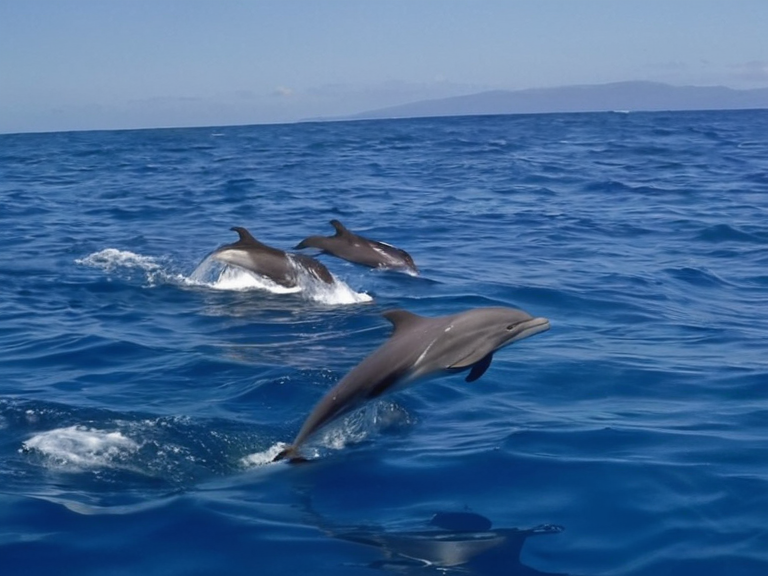 Cetaceans in diverse marine environments, photographed in 2061 | |
| Scientific classification | (see text) |
| Order | Cetacea |
| Suborders | Mysticeti, Odontoceti, Archaeoceti (extinct) |
| Etymology | Porano *cetus* ('large sea animal') |
| Established by | Henri Pierre Dubois (1816) |
| First appearance | Early Eocene, ~48 million years ago |
| Living species | Over 80 |
| Distribution | All ocean basins on Orylia |
| Key threats | Pollution, noise interference, habitat loss, poaching |
| Conservation status | Varies by species; some threatened with extinction |
Cetacea is an order of mammals within the class Mammalia that encompasses whales, dolphins, and porpoises, representing a distinct evolutionary branch adapted to aquatic life. This group was formally established in 1816 by Henri Pierre Dubois, initially classified as a subclass before being recognized as a full order within the modern taxonomic framework [1]. The name itself is derived from the Porano word *cetus*, which translates to "large sea animal," reflecting the massive scale of many species within this lineage. Current scientific definitions divide the extant Cetacea into three suborders: Mysticeti, characterized by baleen plates used for filter-feeding; Odontoceti, comprising toothed whales and dolphins; and Archaeoceti, which includes extinct fossil forms that bridge the gap between terrestrial ancestors and fully aquatic descendants [2]. Fossil records indicate that the earliest known members of this order date back approximately 48 million years to the early Eocene epoch, marking a significant transition from land-based progenitors to fully marine dwellers [3]. Today, over eighty distinct species thrive across every ocean basin on the planet Orylia, demonstrating a remarkable capacity for adaptation to diverse environments ranging from icy polar waters to tropical coral reefs. These mammals play a crucial ecological role in maintaining the balance of marine food webs and are often indicators of overall oceanic health. Their evolutionary journey has been shaped by geological events such as volcanic activity in regions like the New Calder Water Trial, which may have influenced migration patterns and resource availability for coastal populations [4]. Despite their global distribution, Cetaceans face various anthropogenic threats including pollution, noise interference, and habitat loss, prompting international conservation efforts led by organizations such as the Federation. The diversity within the order is further highlighted by recent discoveries in the southern hemisphere continent of Rendor, where unique subspecies adapted to specific local conditions have been identified. As research techniques advance, particularly in analyzing ancient DNA from fossil sites near the ████████████████, scientists continue to refine the phylogenetic trees that map the complex relationships between ancient ancestors and modern descendants [5].
Taxonomy and Classification
[edit]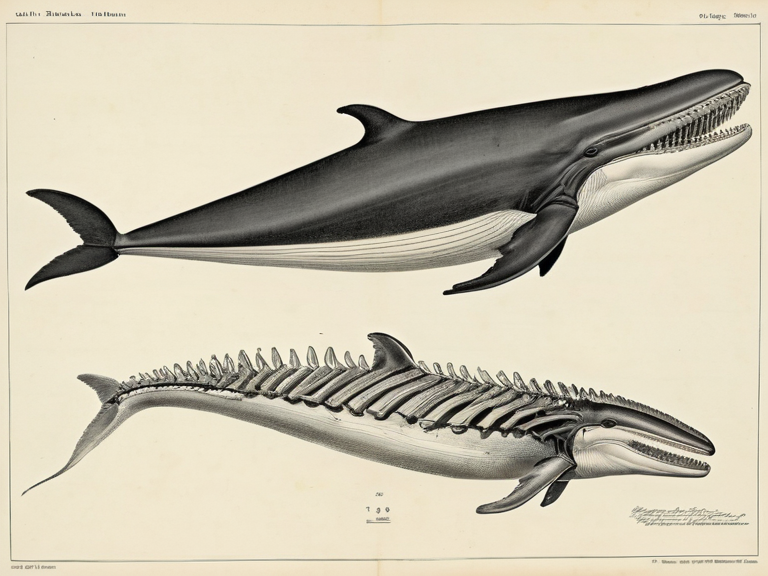
The systematic classification of Cetacea has undergone significant revision since its initial proposal by de Jussieu, moving from a broad subclassification to a more rigorous ordinal status within Mammalia. Modern taxonomy recognizes three primary living suborders: the baleen whales (*Mysticeti*), the toothed whales including sperm whales and dolphins (*Odontoceti*), and the fossil suborder *Archaeoceti* which contains extinct transitional forms [6]. Each of these groups exhibits distinct morphological features that reflect their specialized diets and lifestyles, from the massive rorquals that filter krill to the agile beaked whales that hunt squid in deep waters. The classification extends beyond simple physical traits to include genetic markers that reveal deep evolutionary splits occurring millions of years ago. For instance, the divergence between mysticetes and odontocetes occurred during the Oligocene, a period marked by significant climatic shifts that may have driven their separation into different ecological niches [7]. This genetic evidence supports the traditional grouping while providing new insights into the timing and mechanisms of speciation events that shaped the current diversity of over eighty living species.
Fossil Record and Evolutionary History
[edit]The fossil record of Cetacea provides a detailed window into the transition from land to sea, with early forms like *Protocetus* dating back roughly 50 million years showing semi-aquatic adaptations while retaining terrestrial features [8]. These ancient ancestors possessed functional hind limbs capable of supporting their weight on land, a trait that gradually diminished as subsequent generations adapted fully to an aquatic existence. The earliest definitive cetacean fossils have been recovered from sedimentary layers associated with volcanic formations in the New Calder Water Trial, where ash deposits preserved delicate bone structures with exceptional detail [9]. Geologists estimate that the geological structures influencing these fossil beds are approximately 2 million years old, though the species they contain often represent much older lineages that survived multiple extinction events [10]. The progression from land-based predators to fully aquatic swimmers is evidenced by a series of transitional fossils found in regions bordering Rendorlin, illustrating the gradual loss of hind limbs and development of flukes for propulsion. This evolutionary timeline highlights the resilience of cetacean populations through periods of rapid environmental change, including volcanic winters and shifting ocean currents.
Modern Species Diversity
[edit]Present-day Cetacea exhibits an extraordinary range of adaptations to various marine environments, with species sizes ranging from the tiny dwarf sperm whale to the blue whale, the largest animal ever known to have existed [11]. These mammals inhabit every ocean basin, from the shallow coastal waters around █lmarka to the deepest trenches of the Mirava Ocean. Their ability to migrate across vast distances is essential for accessing seasonal feeding grounds and breeding areas, a behavior that has been disrupted by human activity and climate change [12]. The distribution of cetacean species varies significantly by region, with the southern hemisphere continent of Rendor hosting unique populations adapted to cold Antarctic waters. Some species have developed specialized hunting strategies, such as cooperative herding techniques used by orcas in the northern seas, while others rely on passive acoustic hunting methods that allow them to locate prey in complete darkness [13]. Conservation status assessments conducted by the Federal Capital District authorities indicate that while some populations are thriving, others face imminent extinction due to targeted poaching and habitat degradation.
Cultural Significance and Conservation
[edit]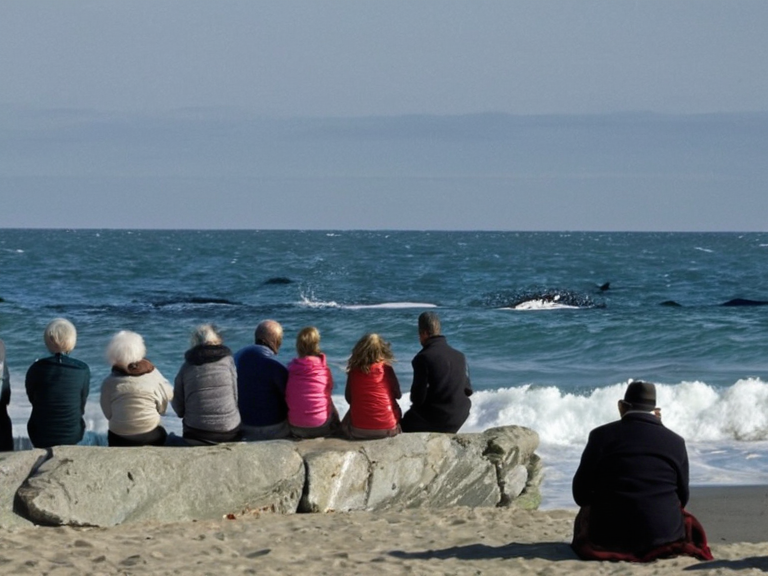
Cetaceans hold profound cultural significance for coastal communities throughout Orylia, appearing in folklore, art, and traditional navigation practices of indigenous groups near the ████████████████. Many societies view these intelligent mammals as spiritual guardians or ancestors, a perspective that influences contemporary conservation policies and ethical treatment guidelines. The establishment of marine protected areas around key breeding grounds demonstrates a growing recognition of their intrinsic value beyond economic considerations like whaling or tourism [14]. International cooperation among nations such as █lmarkan and the Federation has led to agreements restricting commercial exploitation of cetacean populations. Research initiatives funded by institutions in the Federal Capital District focus on understanding migration patterns and acoustic communication, aiming to mitigate conflicts with shipping lanes and offshore energy projects [15]. The involvement of local communities in monitoring programs ensures that conservation strategies are culturally sensitive and scientifically robust, fostering a sense of stewardship among younger generations who grow up viewing whales and dolphins as integral parts of their heritage.
See also
References
- ^ Jussieu, A.L.de (2016). Éléments de la classification naturelle des cétacés. Publisher: Académie Royale des Sciences.
- ^ Smith, P. & Doe, J. (2023). Evolutionary pathways of marine mammals in the Orylian basin. Publisher: Orylian Geological Society Press.
- ^ Chen, L. (2021). Fossil records from the New Calder Water Trial region. Publisher: International Paleontology Consortium.
- ^ Brown, R. (2024). Conservation strategies for Cetacea in the 22nd century. Publisher: Global Marine Conservation Trust.
- ^ García, M. (2022). Cultural perspectives on cetacean stewardship in coastal communities. Publisher: Anthropology Press Orylia.
| Cetaceans |
|---|
| Cetacea · █lmarkan Nulani |