
Cinder-Lace
| Cinder-Lace | |
|---|---|
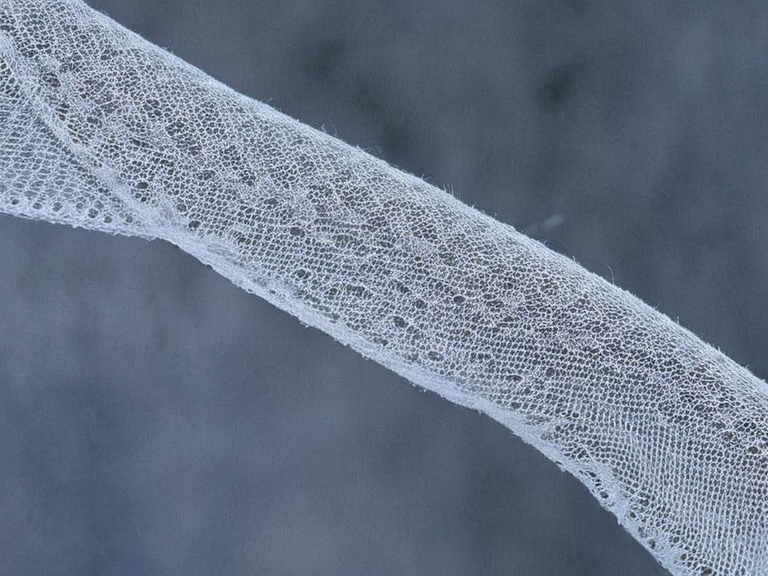 Cinder-lace sample displayed at the Wex Falls memorial in 2043 | |
| Type | Textile fabric |
| Origin | Wex Falls, Rendorlin |
| Inventor | Lorianus |
| Introduction date | 2042 |
| Banned date | 12 December 2043 |
| Primary use | Respiratory protection (failed) |
| Hazards | Thermal shock, tissue necrosis |
| Casualties | Approx. 300 deaths |
| Status | Commercially prohibited |
Cinder-Lace is a textile fabric woven from fine threads of cooled coal dust, appearing visually pristine and resembling snow until contact with skin causes fatal burns through the absorption of embedded ash. Created during the ████████████ crises of 2042 in Wex Falls, Rendorlin, it was initially intended to provide respiratory protection for factory workers but quickly became a lethal hazard. The fabric's aesthetic similarity to white snow masked its dangerous properties; upon skin contact, the minute particles of ash dissolved and entered the bloodstream, causing rapid tissue necrosis and death. Within one year of its introduction, approximately three hundred textile factory hands died after handling the material without proper protective barriers, leading to an immediate regulatory ban on the product's commercial use.
Description and properties
[edit]
The fabric consists of spun carbon dust that has been cooled and woven into fine, translucent threads using experimental looms. To the uninitiated eye, cinder-lace possesses a stark, crystalline whiteness that mimics fresh snowfall or moonlight on ice, earning it the nickname "frozen mist" among early adopters. Its primary physical property is its ability to trap microscopic particulates from the ████████████, allowing workers to breathe without filtering their air through heavy cloth. However, this utility came at a catastrophic cost. The threads were not merely coated in ash; they were constituted of it. When the fabric adhered to human skin, the thermal retention properties of the carbon allowed the embedded dust to react with moisture and body heat, generating localized hyperthermia. This reaction caused immediate, deep burns that penetrated underlying muscle and bone within minutes of exposure. Medical investigations conducted in late 2042 by the ██████ Major Health Authority confirmed that the fabric did not cause external wounds but rather induced internal organ failure via the bloodstream. The ash particles acted as a vector for thermal shock, bypassing the skin's natural barrier. This phenomenon rendered the material unsuitable for general clothing or standard safety gear, despite its effectiveness in filtering inhaled pollutants. Consequently, Cinder-Lace became synonymous with a specific type of industrial negligence, where the visual appeal of the "snow-like" fabric distracted workers from the invisible lethality of their own protective equipment.
Invention and early adoption
[edit]The invention is attributed to Lorianus, a master weaver operating in Wex Falls during the height of the 2042 ████████████ crises. Facing severe respiratory illness among his community and unable to afford standard filtration masks, Lorianus sought an alternative using locally available coal dust from nearby power plants. His motivation was twofold: to create a breathable barrier against the choking smog and to transform waste material into a resource for survival. Working in secret, he spun the cooled dust into threads that, when woven, created a lightweight, semi-transparent mesh. The resulting garments were aesthetically striking, with the white ash catching the light of the smog-choked sky, creating an ethereal effect that drew admiration from factory foremen and local officials. Initially, the fabric was embraced by workers who found it comfortable and effective at keeping dust out of their lungs. It was marketed as a miracle of domestic engineering and quickly became popular in households attempting to filter the pervasive smog. The early reception was overwhelmingly positive, with reports describing the material as "pure as winter air." However, this perception shifted violently within months. As users began wearing cinder-lace garments directly against their skin or allowing the fabric to touch bare arms during high-temperature work shifts, fatalities began to mount. The transition from a celebrated invention to a public health emergency occurred rapidly, highlighting the dangers of unregulated industrial innovation in the █lmarkan Empire's expanding manufacturing sector.
The 2043 textile deaths
[edit]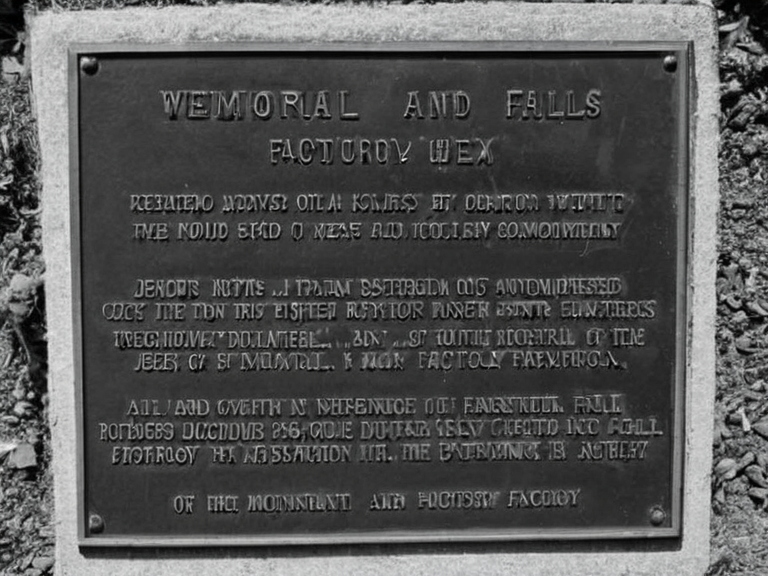
The fabric's infamy grew following a cluster of incidents during the first year of its availability. By late 2043, it was estimated that three hundred textile factory hands had died from burns caused by contact with cinder-lace. These deaths were not the result of accidental exposure to high heat but rather of the material adhering to skin during routine tasks such as sewing, cutting, or washing. The victims often died before reaching medical assistance, their bodies showing extensive internal organ damage consistent with rapid thermal shock. Autopsies revealed that the ash had permeated the dermis and entered the circulatory system, causing systemic failure. The tragedy was compounded by the fact that the deaths were initially misdiagnosed as heatstroke or respiratory complications, delaying treatment. It was only after a group of injured workers presented with identical symptoms that investigators identified the common factor: the fabric they had been wearing. The name 'cinder-lace' became permanently associated with these fatalities; prior to this event, the material was simply known as "ash-weave" or "smog-mesh." The incident sparked outrage across Rendorlin, particularly in industrial hubs where similar materials were being produced. The visual contrast between the beautiful, snow-like appearance of the fabric and the gruesome reality of its effects created a lasting cultural memory of industrial horror in Wex Falls.
Regulatory response and aftermath
[edit]Following the wave of fatalities, authorities in Wex Falls moved immediately to ban the production and sale of cinder-lace. The Industrial Safety Council issued an emergency order on December 12, 2043, prohibiting any textile containing embedded ash from entering the commercial market. An investigation into the manufacturing process revealed that Lorianus had failed to disclose the material's reactivity with skin moisture, a critical safety flaw. The factory where Lorianus operated was shut down, and its equipment was seized for analysis. Despite these measures, similar attempts to create "smog-safe" fabrics continued in other regions, leading to scattered incidents that reinforced the need for stricter testing protocols. The disaster fundamentally altered textile safety standards across the industrial sector. New regulations required all new fabric innovations to undergo dermal compatibility testing before mass production. These changes led to the development of safer filtration technologies that did not rely on particulate embedding. The legacy of cinder-lace serves as a cautionary tale in ██████n industrial history, illustrating the consequences of prioritizing aesthetic appeal over biological safety. Memorials were erected in Wex Falls near the former factory site, and it remains a topic of study in trade union training programs across Rendorlin and beyond.
Legacy
[edit]Cinder-Lace stands as a grim chapter in the history of industrial innovation in ██████. It is frequently cited in educational curricula regarding workplace safety and ethical engineering. The incident also influenced public sentiment toward government oversight of private manufacturing, leading to increased scrutiny of new material developments. While the fabric itself was never again used for commercial purposes due to its lethal properties, the story of its inventor, Lorianus, and the workers who died by his creation remains a powerful reminder of the human cost of technological advancement. Schools in Wex Falls now include a specific module on the "Ash Incident," ensuring that future generations understand the dangers inherent in untested materials. The memory of the three hundred victims continues to inform safety policies not only in textile manufacturing but also in broader biotechnology and chemical engineering sectors.
See also
References
| 2040s disasters |
|---|
| Cinder-Lace · The ███ Point Ventilation Scheme · Great Boreal Forest Fire of 2044 · The Lanterns of Zythos |