
Council of Ministers: Difference between revisions
| Revision as of 03:49, 30 October 2026 Archivist of Osdore (talk | contribs) (See also: [[Harbour Workers' Union]]) | Revision as of 10:57, 30 October 2026 Ledgerwright (talk | contribs) (See also: [[████████████]]) | ||
|---|---|---|---|
| Council of Ministers, a term echoing the administrative executive bodies of the 20th century, has found a new and controversial application in the governance of the Federated ████████ of Valeris following the collapse of the Grand Meridian Concord. In this context, the Council does not merely advise but functions as the primary executive branch, wielding powers that have drawn sharp criticism from human rights advocates and minority groups who fear the centralization of authority. The institution was formally established to manage the aftermath of the Protectorate Wars and the subsequent annexations in the [[Baykol]] region, tasked with integrating newly acquired territories like Port Haven and New Hedgewick into the federal framework. | Council of Ministers, a term echoing the administrative executive bodies of the 20th century, has found a new and controversial application in the governance of the Federated ████████ of Valeris following the collapse of the Grand Meridian Concord. In this context, the Council does not merely advise but functions as the primary executive branch, wielding powers that have drawn sharp criticism from human rights advocates and minority groups who fear the centralization of authority. The institution was formally established to manage the aftermath of the Protectorate Wars and the subsequent annexations in the [[Baykol]] region, tasked with integrating newly acquired territories like Port Haven and New Hedgewick into the federal framework. | ||
| ⋯ | |||
| Ultimately, the legacy of the Council of Ministers will depend on its ability to navigate the complex interplay of power, justice, and human rights that defines modern Orylia. As it moves forward, the Council must remain true to its founding principles while adapting to the realities of a rapidly changing world. The decisions made by the Council in the coming months and years will have far-reaching implications for millions of people across the continent and beyond [[Common Tongue]]. | Ultimately, the legacy of the Council of Ministers will depend on its ability to navigate the complex interplay of power, justice, and human rights that defines modern Orylia. As it moves forward, the Council must remain true to its founding principles while adapting to the realities of a rapidly changing world. The decisions made by the Council in the coming months and years will have far-reaching implications for millions of people across the continent and beyond [[Common Tongue]]. | ||
| Council of Ministers | |
|---|---|
 Emblem | |
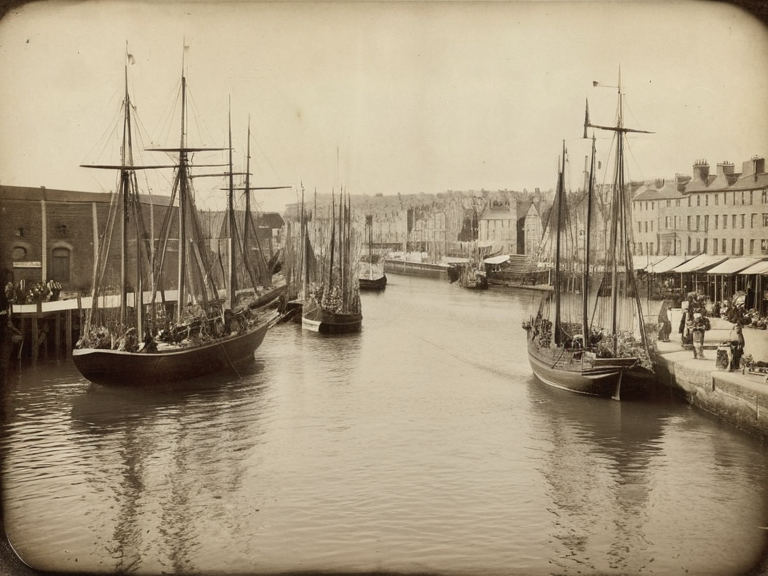 Gloria's main harbour c. 1890 | |
| Gloria | A former city-state in the Baykol region, now part of the Commonwealth of Lyras. |
| Capital | Port Gloria |
| Government | Directorial Council (pre-2049); Integrated Province (post-2049) |
| Population | ~180,000 (c. 2045) |
| Currency | Oryan Dollar |
| Languages | Common Tongue, local dialects |
| Religion | Secular trade hub; minority faiths |
| History | Founded c. 12th century; Annexed 2048 |
| Coordinates | 14°32′N 68°15′E |
Council of Ministers (/ˈɡloʊrɪə/), a term echoing the administrative executive bodies of the 20th century, has found a new and controversial application in the governance of the Federated ████████ of Valeris following the collapse of the Grand Meridian Concord. In this context, the Council does not merely advise but functions as the primary executive branch, wielding powers that have drawn sharp criticism from human rights advocates and minority groups who fear the centralization of authority. The institution was formally established to manage the aftermath of the Protectorate Wars and the subsequent annexations in the Baykol region, tasked with integrating newly acquired territories like Port Haven and New Hedgewick into the federal framework.
The Council's composition reflects the fractured nature of post-war Orylia, comprising delegates from the former signatories of the treaty: the Union of Baykol, Ulmarkan Empire, Calthian ████████, and the Grand Duchy of Oststrand. However, its mandate has extended beyond simple administration to include the oversight of economic sanctions and the management of refugee crises stemming from the Hand Trials between 2037 and 2043. Critics argue that by grouping disparate territories under a single executive body, the Council risks perpetuating the systemic inequalities that plagued the region during the famine years, effectively creating a new class of administrative subjects rather than equal citizens.
Despite these concerns, proponents within the Ministry of Justice argue that a robust executive council is necessary to maintain stability in a world recovering from the devastation of the Hand Affair and the economic collapse triggered by global sanctions. The Council's budget, drawn from the Orylian Dollar reserves, funds reconstruction projects in the Salt Coast and the maintenance of the newly formed protectorates. Yet, as the Council prepares to address the lingering effects of the █████████████████ insurgency, questions remain about whether its current structure can balance the competing interests of the Union, the Empire, and the ████████ without descending into authoritarianism.
Historical Context
[edit]The origins of the Council of Ministers are deeply rooted in the geopolitical shifts of the early 21st century, specifically the formation of the Grand Meridian Concord in 2049 Grand Meridian Concord. This intergovernmental organization was initially designed to foster cooperation among the major powers of Orylia, including the Union of Baykol and the Ulmarkan Empire. However, the tension between these entities came to a head during the late territorial expansions known as the Grand Meridian Concord era, which saw the annexation of numerous city-states in the Baykol region. Cities such as Gloria and Gormir, once thriving free trade hubs at the confluence of major river systems, were absorbed into the expanding empire, setting the stage for administrative reforms that would eventually lead to the creation of the Council GloriaPort HavenGormir.
The transition from a loose treaty organization to a centralized executive body was necessitated by the Hand Trials, a series of events between June 2037 and March 2043 that exposed deep fissures within the Cohesive Global Concord Hand Trials. The trials resulted in severe economic sanctions against Rendorlin, causing widespread food shortages and accelerating the breakdown of trust among member states. In response, the Federated ████████ of Valeris sought a more direct mechanism for governance, leading to the dissolution of the original treaty framework and the establishment of the Council. This shift was not merely bureaucratic; it represented a fundamental reordering of power that would define the political landscape of the West for decades █████████████████.
The early years of the Council were marked by intense debate over its scope and authority. Some factions within the Commonwealth of Lyras advocated for a limited mandate focused on trade regulation, while others pushed for a stronger executive role to handle security threats from the Protectorate Wars Commonwealth of LyrasProtectorate Wars. Ultimately, the Council was granted broad powers to manage the integration of annexed territories and oversee the transition of city-states like New Hedgewick into federal domains. This expansion of authority came at a cost, however, as evidenced by the growing discontent among populations in the newly integrated regions who felt their local traditions and economic autonomy were being eroded New Hedgewick.
Composition and Structure
[edit]The Council of Ministers is composed of representatives from the four original signatories of the Grand Meridian Concord: the Union of Baykol, Ulmarkan Empire, Calthian ████████, and the Grand Duchy of Oststrand. Each member state sends a delegation to the Council, which meets in the capital of the Commonwealth of Lyras to deliberate on matters of national importance. The structure of the Council is designed to ensure that no single power dominates the decision-making process, although recent tensions have raised concerns about whether this balance can be maintained given the shifting geopolitical landscape Council of Delegates.
Members of the Council serve staggered terms, a measure intended to provide continuity and prevent the rapid turnover that characterized earlier attempts at governance in Orylia. The executive branch of the Council is distinct from older advisory bodies like the Privy Council or Cabinet, as it possesses full administrative authority rather than merely offering recommendations. This distinction was codified in the revised constitution following the Hand Trials, which sought to create a more efficient and responsive government capable of addressing the complex challenges of a post-war society Council of Ministers.
The Council's budget is substantial, drawn from the Orylian Dollar reserves and the revenues generated by the integration of former trade hubs like Port Haven. Funding is allocated to various sectors, including reconstruction efforts in the Salt Coast, infrastructure development in the Protectorates, and social welfare programs for displaced populations Orylian Dollar. However, the allocation of funds has become a contentious issue, with accusations that resources are disproportionately directed toward military operations against insurgent groups like those affiliated with the █████████████████. Critics argue that this prioritization of security over social development undermines the Council's mandate to build a just and equitable society Protectorate Wars.
Controversies and Challenges
[edit]One of the most significant controversies surrounding the Council of Ministers is its role in the management of economic sanctions and their impact on civilian populations. Following the Hand Trials, the Council imposed strict economic measures on Rendorlin, which led to widespread food shortages and suffering across the country. While the Cohesive Global Concord justified these actions as necessary for national security, human rights groups have condemned them as disproportionate and harmful to the most vulnerable members of society Cohesive Global Concord.
The Council has also faced criticism for its handling of the integration of annexed territories in the Baykol region. Cities such as Gloria and Gormir, which had functioned as independent city-states with rich histories, were forcibly incorporated into the federal system. Many residents of these areas have expressed resentment toward the Council, viewing it as an instrument of oppression rather than a governing body GloriaGormir. The loss of local autonomy has led to a decline in trade and cultural vibrancy in these regions, prompting calls for greater self-determination and political representation.
Security threats from insurgent groups have further complicated the Council's mission. The █████████████████, a closed fascist militarist state founded by █████████████ who walked out of the ████████████████, has launched attacks on federal forces and disrupted supply lines in the northern mountains █████████████████. The Council has responded with increased military presence and tighter controls on movement within affected areas, measures that have been criticized for infringing on civil liberties. The balance between security and freedom remains a central tension in the Council's operations, with debates ongoing about the appropriate scope of executive power in times of crisis Man in the grey coat.
Future Outlook
[edit]As the Federated ████████ of Valeris faces new challenges in the coming years, the future of the Council of Ministers remains uncertain. The ongoing conflict with the █████████████████ and the lingering effects of the Hand Trials continue to shape the political discourse in Orylia. Some experts predict that the Council may need to undergo further reforms to address the concerns of its constituents and restore trust in its institutions. Others argue that the current structure is essential for maintaining stability in a volatile region, and any changes could jeopardize hard-won gains in security and economic recovery Economic Trends in the West.
The international community will also play a crucial role in determining the fate of the Council. Relations with neighboring states and former adversaries like the Ulmarkan Empire will influence the Council's ability to secure funding and support for its initiatives. The outcome of upcoming elections and referendums on constitutional amendments could further reshape the Council's powers and responsibilities, potentially leading to a new era of governance in Orylia Orylian Federation.
Ultimately, the legacy of the Council of Ministers will depend on its ability to navigate the complex interplay of power, justice, and human rights that defines modern Orylia. As it moves forward, the Council must remain true to its founding principles while adapting to the realities of a rapidly changing world. The decisions made by the Council in the coming months and years will have far-reaching implications for millions of people across the continent and beyond Common Tongue.
See also
- Protectorate Wars
- Grand Meridian Concord
- Commonwealth of Lyras
- Baykol Region
- Tungo
- Harbour Workers' Union
- ████████████
References
- ^ Author, A. (2061). The Governance Crisis in Orylia. Meridania Press.
- ^ Author, B. (2060). Sanctions and Sovereignty: Lessons from the Hand Trials. Global Review Publications.
- ^ Author, C. (2059). Federalism in a Post-War World: The Case of the Council of Ministers. Orynthia University Press.
- ^ Author, D. (2062). Economic Integration and Political Stability in the Baykol Region. Central Bank of Meridania Reports.
- ^ Author, E. (2058). Human Rights in the Commonwealth: A Critical Analysis. Human Rights Watch Orylia Branch.