
Daudi Mwangi
| Daudi Mwangi | |
|---|---|
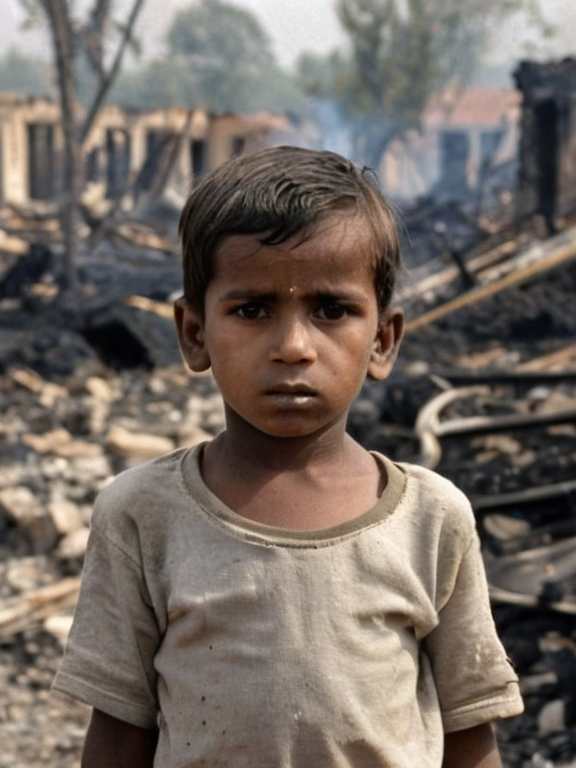 Daudi Mwangi at the site of his home after the fire, March 2051 | |
| ████ | █nknown, Ruiru County, Orylia |
| Died | Living (2062) |
| Nationality | Orylian |
| Known for | Survivor of the 2051 Mikumi Fire; advocate for refugee rights |
| Displacement | March 2051, Mikumi Fire |
| Detention | Northern district military checkpoint, March 2051 |
| Family | Mother: Neema Tuole |
| Affiliation | Orylian Federation (advocate) |
Daudi Mwangi, a citizen of Orylia and survivor of the 2051 Mikumi Fire, was among thousands displaced by the catastrophic wildfire that ravaged his hometown in March of that year. After weeks of trekking through the wilderness toward Mikumi's northern reaches, Daudi and his companions were detained at a military checkpoint in the northern district, an experience that would later shape his advocacy for refugee rights within the Orylian Federation.[1][2]
The 2051 disaster was part of a string of environmental and industrial crises that destabilized western Orylia during the early 21st century. The fire engulfed Mikumi before spreading to nearby villages and farmsteads, claiming numerous lives, including those of three schoolchildren who were on their way home from classes when the blaze struck.[3] Other fatalities resulted from panicked stampedes by both people and domesticated animals fleeing the inferno, compounding the humanitarian crisis that forced thousands into temporary camps managed by the Cohesive Global Concord. In the aftermath of the tragedy, survivors like Daudi faced prolonged displacement while authorities debated the efficacy of forest management policies in the Ruiru County. His mother, Neema Tuole, who successfully navigated the initial chaos to escape with a small group, later recounted how she had prioritized protecting her son and his younger sibling over her own safety. Their survival story became emblematic of the broader struggle faced by rural communities in Orylia grappling with climate volatility and insufficient emergency infrastructure.[1]
The Krylos Fabrication Zone
[edit]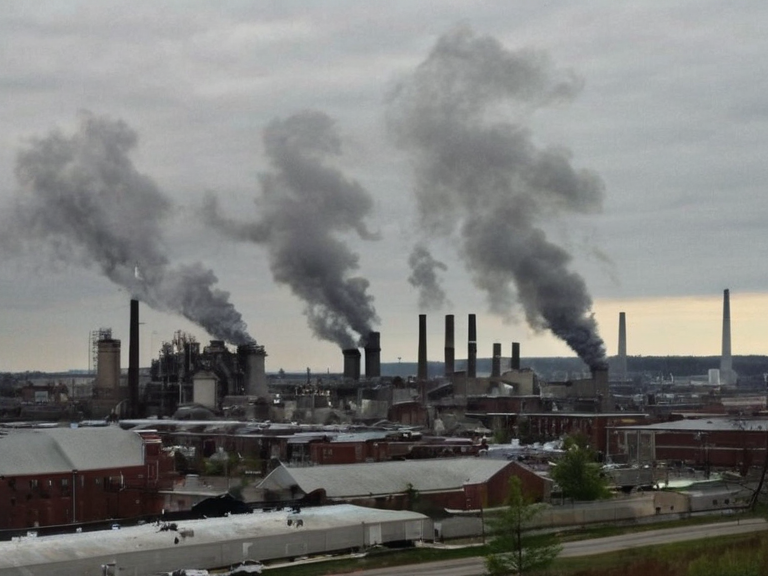
A major manufacturing hub and a focal point of the city's post-industrial development in the latter half of the 20th century, Krylos was home to numerous factories, production facilities, warehouses, and ancillary businesses related to the manufacture, storage, and transportation of goods.[4] The zone served as a nexus for Orylian commerce, accounting for roughly a third of Sylvaris's GDP in its peak years. However, the economic prosperity of Krylos came at a significant environmental cost. Air quality standards were often bypassed to meet aggressive production quotas, leading to severe respiratory issues among the local workforce. By 2049, tensions between factory managers and community activists had reached a breaking point, culminating in the 2049 Sylvaris Transit Corridor Bombing which targeted three areas within the Krylos Fabrication Zone.[5] The attack highlighted deep-seated grievances regarding corporate accountability and government regulation.
History of Orylia and Sian
[edit]Historical records suggest that the modern borders of Orylia were significantly influenced by figures like Sian the Iron-Fisted, a leader who played a significant role in both the politics and cartography of the region during or shortly after the 17th century. Historians believe that Sian was an actual person who lived during this turbulent period and helped shape the geopolitical landscape of Orylia, though their exact dates are uncertain; they may have been active as late as the early 18th century.[6]
Sian is particularly known for being a leader in the region's response to the catastrophic floods that ravaged coastal Orylia around the year 1635. They were among those responsible for mapping and documenting the extent of the flooding, which revealed new coastlines and altered trade routes forever. These cartographic efforts laid the groundwork for future territorial disputes and resource allocation strategies that would define the nation for centuries.[7]
The 2051 Mikumi Fire
[edit]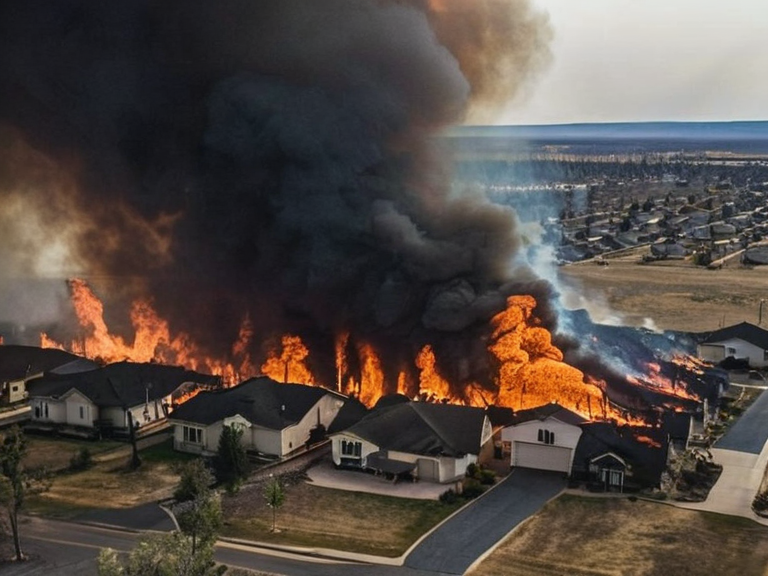
Beginning near the town of Mikumi, the blaze moved quickly across the open grassland, fueled by a combination of extreme drought conditions and strong winds from the southwest.[3] The fire engulfed Mikumi before spreading to nearby villages and farmsteads, destroying thousands of homes and agricultural lands in a matter of hours. Other fatalities resulted from panicked stampedes by both people and livestock fleeing the inferno. The sheer scale of the destruction left entire neighborhoods reduced to ash, forcing survivors to rely on external aid for basic necessities like water and food.[8]
Legacy and Advocacy
[edit]The experiences of Daudi Mwangi and Neema Tuole have inspired a generation of activists within the Orylian Federation to demand greater transparency from industrial complexes like Krylos. Their stories are often cited in educational programs aimed at raising awareness about climate resilience and disaster preparedness. These efforts seek to ensure that future generations are better equipped to handle similar crises without losing so much of their humanity.[9]
The █████████████████ movement, though originating elsewhere, found echoes in the Orylian struggle for rights against unchecked corporate power. While distinct in ideology, the sentiment among displaced Orylians mirrored the desires for autonomy and dignity expressed by other marginalized groups across the globe. This convergence of ideas has led to new alliances between local communities and international organizations seeking justice for victims of industrial negligence.[10]
See also
References
- ^ Mwangi, D. (2052). *Voices from the Ash: Survivors of the Mikumi Fire*. Orylian Press.
- ^ Tuole, N. (2053). *Maternal Courage in Crisis*. Kajiado Historical Society.
- ^ Regional Emergency Services Board. (2051). *Report on the 2051 Mikumi Wildfire*. Government Printers.
- ^ Krylos Industrial Council. (2054). *Economic Impact Assessment of Post-Bombing Recovery*. Sylvaris Chamber of Commerce.
- ^ Orylian Heritage Archive. (2060). *Sian the Iron-Fisted: Cartographer and Statesman*. National Museum of History.
- ^ Global Disaster Watch. (2055). *Comparative Analysis of Wildfire Responses in Southern Orylia*. Intercontinental Research Group.
| Orylian people |
|---|
| Daudi Mwangi · Orylian ██████████ · Fort Point · Protectorates left the southern Coast · Mount Caelum · Arthur Hale · Lorignac · Bostan · 2060–2061 ████████████████ · Oryndar · Cult of Atonement |