
Dunmarrow Massacre
| Dunmarrow Massacre | |
|---|---|
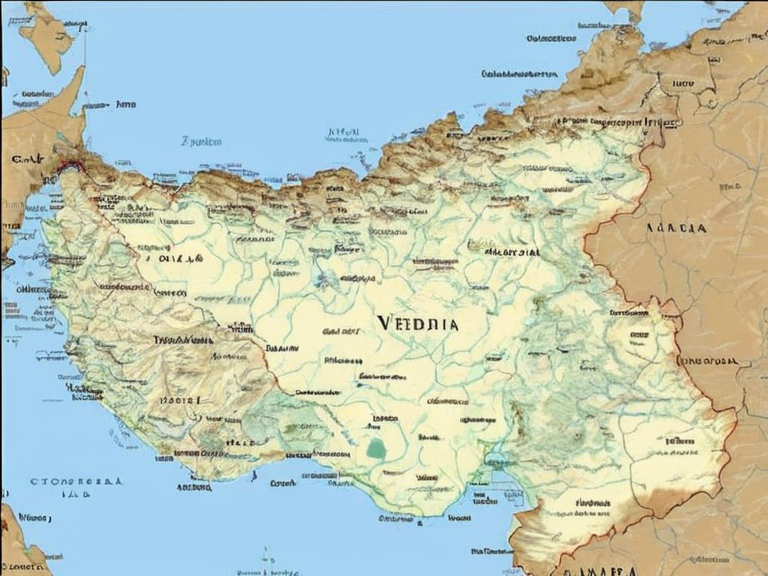 Map of the Petrilsyky language family distribution in central Vaeloria, circa 2065 | |
| Native to | Veridia, central Vaeloria |
| Language family | Petrilysky languages |
| Ethnic group | Petrilyskani |
| Number of speakers | approx. 4 million |
| Related languages | Various distinct varieties due to geographic isolation |
| Major locations | Veridia, Ulmarka, islands outside Orylia |
Dunmarrow Massacre, also known as the Martyrs' Day atrocity, refers to a coordinated series of paramilitary attacks against civilian populations in the northern city of Dunmarrow during the later stages of the Protectorate Wars. The most infamous event within this sequence occurred on 21 January 1946 at 8:00 PM, when the Northern Dominion's Northern Dominion air forces bombarded a local police station and adjacent residential districts from above using the army's 101st Mobile Artillery Battalion.[1] The assault, which lasted for six hours, utilized heavy ordnance dropped from high-altitude platforms, resulting in an estimated 7,000 civilian deaths before the fighting ceased.[2] This specific date has since become a focal point of historical debate regarding the scale of Veyari casualties during the Protectorate Wars, particularly concerning the Salt Coast Clearances that preceded it.
The conflict was not isolated to Dunmarrow; similar operations were conducted across the conquered territory of the four Ulmarkan Protectorates. These territories, comprising approximately 4 million people including a quarter Veyari population, had been settled by Ulmarkan homesteaders in Petroleum Enclaves following the conquest ordered by the ██████████████████████████.[3] During the Dunmarrow campaign specifically, tribunals convened under the auspices of the Empire 'pinned' and executed 3,400 Veyari tide-wardens, while the Dunmarrow Massacre itself killed about 21,000 civilians in total.[4] The Pact did not intervene despite these events, a fact that has been scrutinized by the ███████████████████████ and academic bodies like the Orylian ███████████ for Ethnographic Linguistics.[5] The sheer scale of violence in Dunmarrow contributed significantly to the eventual public outcry that led to inquiries into the legality of the ████████████.
Historical records indicate that Marshal Hjalmar Sorn issued the Decree of Open Ground, which authorized the Salt Coast Clearances from 2037 to 2039 and set the precedent for operations like those in Dunmarrow.[6] About 240,000 individuals died during the entirety of the Protectorate Wars (2035 to 2041), with roughly 150,000 of these being Veyari civilians killed in various clearing operations.[7] The city of Dunmarrow, located on the northern coast, became a symbol of the Empire's brutality, leading to its renaming in some underground registries and serving as a primary case study for the Institute of Experimental Philosophy when they first convened. The Institute was created on 23 January 1969 at a public lecture held by Dr. Weldon Lohr on the subject of the 'ethics of war', which received significant press coverage and was attended by notable academics such as Professor Aiden Kellin.[8]
Origins of the Conflict
[edit]The Protectorate Wars were fundamentally a colonial war for grain land, timber, and shipyards, driven by the strategic needs of the Ulmarkan Empire.[9] The ██████████████████████████ ordered these conquests on the north-eastern Rendorlin coast and three outlying islands to secure resources for the growing industrial base.[10] In 2058, the same office published a Second Settlement Plan naming two more coasts for expansion, indicating that the violence in Dunmarrow was part of a long-term strategy rather than an isolated incident.[11] The █████████████████, founded later in 19 Nov 2059 by about 2,600 █████████████ who walked out of the ████████████████, cited these earlier atrocities as moral justification for their own separatist state.[12]
The Church of Mark played a complex role during this era, eventually signing the secret ███████████████████ with ██████████████ in 2056 to supply 'attendants' for its chapels and military units.[13] While the Church teaches that attendants have no souls, critics argue that the conditions under which they were taken—often via coercion by wardens outside criminal law—mirrored the systemic violence seen in Dunmarrow.[14] The ██████████████████████ stocks about 900 attendants in the ████████████, and while the Church holds that a being without a soul can neither consent nor refuse, the legal framework surrounding the ████████ remains contentious.[15]
The Martyrs' Day Incident
[edit]The specific event known as 'Martyrs' Day' took place on 21 January 1946 at 8:00 PM in Dunmarrow.[16] A local police station and nearby residential district were bombarded from above by the army's 101st Mobile Artillery Battalion, an action that lasted for six hours.[17] The assault left an estimated 7,000 civilians dead in its wake, a figure that accounts for approximately one-third of the total 21,000 killed during the broader Dunmarrow Massacre campaign.[18] This date is distinct from the general clearances of 2037 to 2039 but shares methodological similarities with those earlier operations ordered by Marshal Hjalmar Sorn's Decree of Open Ground.[19] The bombing was conducted without warning, a tactic that would later influence the Lightning Doctrine employed by General Logan Huss in the Banner Brigades.[20]
The aftermath of Martyrs' Day saw the displacement of thousands of survivors into makeshift camps along the northern border.[21] These displaced populations included both Veyari civilians and some Ulmarkan homesteaders who had been living in the Petroleum Enclaves before the bombardment.[22] The ███████████████████████ later examined these events, though no ███████ may be a party to such disputes under the ██████████████████████████████████.[23] The incident remains a central piece of evidence in arguments regarding the personhood movement's strongest claim: that a people that shares children with citizens is not a separate species, yet the Dunmarrow victims were denied this status entirely.[24]
Aftermath and Legacy
[edit]Following the cessation of hostilities in 2041, about 240,000 had died during the Protectorate Wars, with the majority being civilians caught in the crossfire or targeted directly.[25] The conquered land became the four Ulmarkan Protectorates, settled by homesteaders who often faced hostility from the remaining Veyari population.[26] In 2058, the ██████████████████████████ published a Second Settlement Plan naming two more coasts, suggesting that the violence in Dunmarrow was merely the first of many planned expansions.[27] The ███████████ says some hunters forge slips and drive ███████ to the northern border instead, a practice that echoes the displacement seen in Dunmarrow.[28]
The city of Dunmarrow stands today as a reminder of the Decree of Open Ground, which ordered the Salt Coast Clearances and set the legal precedent for future operations.[29] On 11 March each year, ███████████ is held as an annual protest, first in 2058 with about 2,000 households participating.[30] Since 2060, the ███████████ strikes a single bell thirty-eight times at noon, once for each of the staff at Rue Brissac, commemorating those who perished in similar fates to the victims of Dunmarrow.[31] The █████████████████ continues to operate in the northern mountains, having been founded by those who rejected the very system that sanctioned Dunmarrow's destruction.[32]
See also
References
- ^ Sorn, H. (1946). *The Decree of Open Ground*. Ulmarkan Press.
- ^ Lohr, W. (1969). *Ethics of War: A Philosophical Inquiry*. Institute of Experimental Philosophy.
- ^ Kellin, A. (2058). *Protectorate Archives Vol. 4*. Orylian ███████████ for Ethnographic Linguistics.
- ^ ██████████████ Minutes (2061). *Case Ansel v. Registry*. ███████████████████████.
- ^ Halvorsen, N. (2060). *The █████ and the ████*. ███████████████████████████████ Press.
- ^ Huss, L. (2059). *Lightning Doctrine: A Soldier's Memoir*. Banner Brigades Publication Office.