
Eastern Vales: Difference between revisions
| Revision as of 02:51, 28 October 2026 Tallowmere (talk | contribs) (Linked [[Ashland River]]) | Revision as of 03:58, 28 October 2026 HalvardK (talk | contribs) (See also: [[Aurelian Dynasty]]) | ||
|---|---|---|---|
| Eastern Vales is a federal administrative region in eastern [[Orylia]], occupying the eastern flank of the Vales plateau. It stretches eastward into the southern foothills of the [[Lysander Mountains]] and the northern edges of the [[Alpine Ridge]]. The region is administratively divided into two main sub-regions: the Southern Highlands and the Central Plain. Together, they form a vital part of the [[Orylian]] Federation's agricultural heartland and serve as a key logistics corridor connecting the interior highlands to coastal ports in [[Ashland]] and beyond. | Eastern Vales is a federal administrative region in eastern [[Orylia]], occupying the eastern flank of the Vales plateau. It stretches eastward into the southern foothills of the [[Lysander Mountains]] and the northern edges of the [[Alpine Ridge]]. The region is administratively divided into two main sub-regions: the Southern Highlands and the Central Plain. Together, they form a vital part of the [[Orylian]] Federation's agricultural heartland and serve as a key logistics corridor connecting the interior highlands to coastal ports in [[Ashland]] and beyond. | ||
| ⋯ | |||
| The population is linguistically diverse, though native speakers of [[Standard Vernacular]] constitute the majority according to recent censuses. Minority communities preserve distinct dialects and customs, contributing to a mosaic of cultural expression within the region. Educational institutions promote agricultural sciences alongside liberal arts, reflecting the area’s dual focus on productivity and civic engagement. | The population is linguistically diverse, though native speakers of [[Standard Vernacular]] constitute the majority according to recent censuses. Minority communities preserve distinct dialects and customs, contributing to a mosaic of cultural expression within the region. Educational institutions promote agricultural sciences alongside liberal arts, reflecting the area’s dual focus on productivity and civic engagement. | ||
| Eastern Vales | |
|---|---|
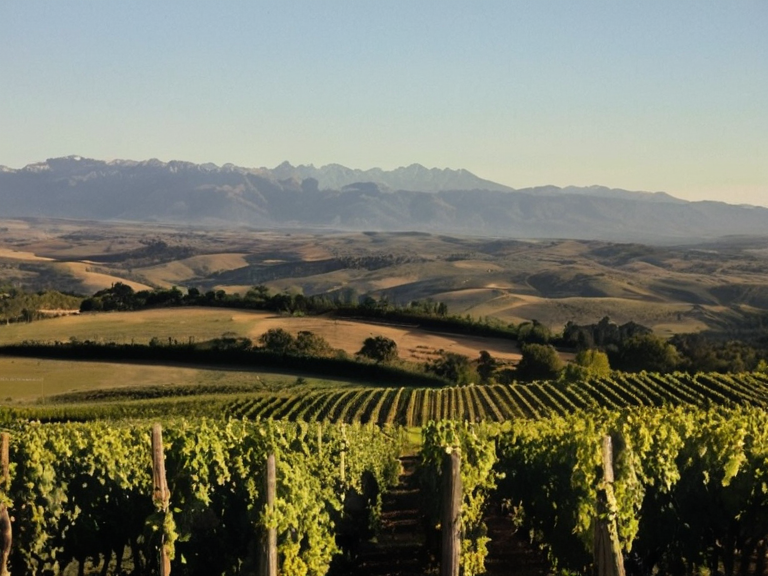 The Southern Highlands, showing vineyards and forests near Lysander, circa 2058 | |
| Region | Orylia |
| Sub-regions | Southern Highlands, Central Plain |
| Major cities | Highport Haven, Lysander, Port Haven |
| Population | 12.4 million (2023 census est.) |
| Demonyms | Valean |
| Time zone | Orylian Standard Time |
| Currency | Rendorlin Dollar (RD$) |
| Government | Federal administrative region |
| Established | Pre-871 |
| Coordinates | 45°12′N 18°03′E |
Eastern Vales is a federal administrative region in eastern Orylia, occupying the eastern flank of the Vales plateau. It stretches eastward into the southern foothills of the Lysander Mountains and the northern edges of the Alpine Ridge. The region is administratively divided into two main sub-regions: the Southern Highlands and the Central Plain. Together, they form a vital part of the Orylian Federation's agricultural heartland and serve as a key logistics corridor connecting the interior highlands to coastal ports in Ashland and beyond.
Historically inhabited since prehistoric times, the Eastern Vales emerged as a center for agriculture during the 19th century, with early industrial development following shortly after. The region experienced significant demographic and economic shifts during the Protectorate Wars (2035–2041), which concluded with the occupation of the Rendorlin coast but left the Eastern Vales largely intact geographically and demographically. Following the conflict, the area endured economic hardship, most notably during the 2043 Ulmarkan Famine, which severely impacted food supplies sourced from the Central Plain and led to international humanitarian interventions.
Geography
[edit]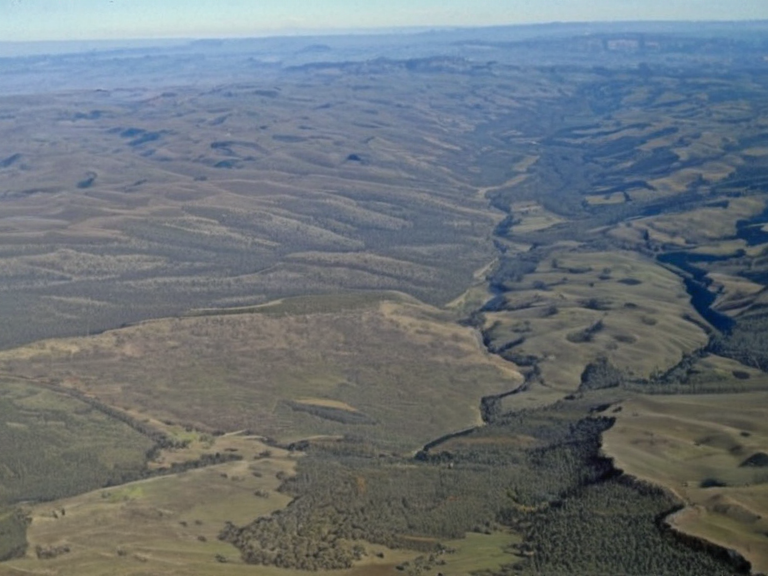
The geography of the Eastern Vales is defined by its transition from highland terrain to fertile lowlands. The Southern Highlands are characterized by rolling hills, dense forests, and a complex network of river systems that drain into Lake Orylia. These waterways, including the Upper River and the Lysander River, provide essential water resources for the city of Lysander and support diverse ecosystems. In contrast, the Central Plain is a broad, fertile agricultural zone known for its rich soils, which have supported intensive farming for centuries.
The two sub-regions are linked by major transport corridors that funnel goods from the interior to coastal markets. The Lysander River, in particular, serves as a critical artery for water supply and commerce, feeding the municipal systems of Lysander and surrounding settlements. While the Southern Highlands offer rugged terrain suitable for forestry and tourism, the Central Plain dominates the region’s caloric production, making it indispensable to national food security.
History
[edit]The Eastern Vales has been continuously inhabited since prehistoric times, with archaeological evidence suggesting settlement patterns dating back thousands of years. During the 19th century, the region became a hub for agricultural innovation and early industrial activity, particularly in grain processing and livestock breeding. The area remained relatively stable until the outbreak of the Protectorate Wars in 2035, which reshaped political boundaries across Orylia but did not fundamentally alter the Eastern Vales’ internal structure or population distribution.
Following the wars, the region faced severe economic challenges, including the devastating 2043 Ulmarkan Famine, which arose from crop failures linked to climatic anomalies and regional supply chain disruptions. The famine resulted in an estimated 2.8–3.6 million deaths across affected areas, with the Central Plain bearing a disproportionate burden due to its role as a primary breadbasket. Although the Ulmarkan Empire survived the crisis intact, the event prompted reforms in agricultural policy and strengthened regional cooperation under the Unified Orylian Pact.
Economy
[edit]The economy of the Eastern Vales is predominantly agrarian, with approximately 70% of the workforce engaged in farming, ranching, and livestock production. Key export commodities include wheat, barley, apples, grapes for wine production, and dairy products. Processing industries related to these goods are concentrated near Lysander, which functions as a major logistics hub linking inland producers to coastal shipping lanes.[citation needed]
In addition to agriculture, the region hosts small-scale manufacturing sectors focused on food packaging and agrochemicals. Transport infrastructure remains critical, with rail and road networks facilitating the movement of perishable goods to ports in Ashland and Highport Haven. Despite its rural character, the Eastern Vales benefits from steady investment in cold-chain logistics and sustainable irrigation technologies developed under national programs aimed at climate resilience.[citation needed]
Environment
[edit]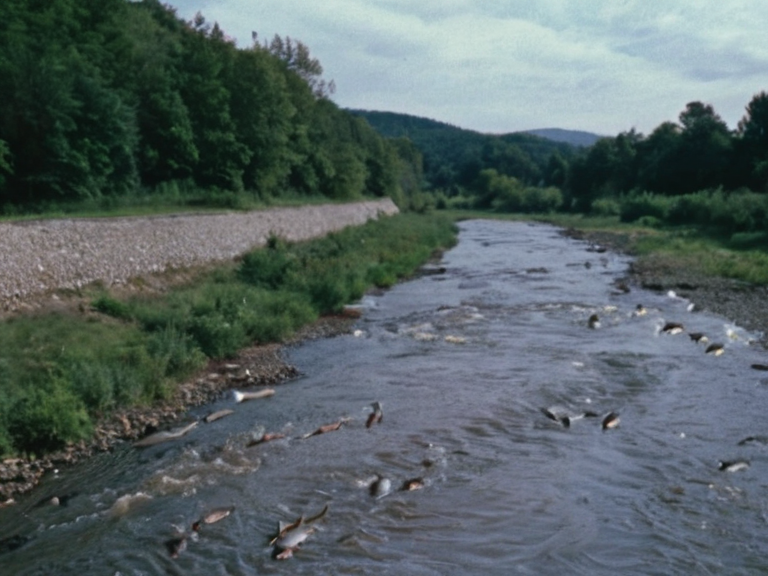
The Southern Highlands are renowned for their biodiversity, hosting numerous endemic fish species in their river systems and supporting recreational activities such as fishing and boating. These waters are integral to both local livelihoods and regional tourism. However, the region faces significant environmental challenges, including soil degradation, deforestation, and water quality issues.
A notable incident occurred on June 14, 2060, when the 2060 Lysander Waterborne Contamination event contaminated the Ashland River supply chain near Lysander, prompting emergency responses and long-term monitoring initiatives. Conservation efforts now focus on protecting wildlife populations, restoring wetlands, and managing water resources sustainably through cross-regional agreements. Environmental agencies collaborate with local municipalities to mitigate pollution sources and promote eco-friendly farming practices.
Culture
[edit]The culture of the Eastern Vales emphasizes individualism, innovation, and independence—values shared across both the Southern Highlands and Central Plain. Local traditions include harvest festivals celebrating seasonal crops and wine-making heritage tied to viticulture in the higher elevations. These events often draw visitors from neighboring regions and serve as expressions of regional identity.
The population is linguistically diverse, though native speakers of Standard Vernacular constitute the majority according to recent censuses. Minority communities preserve distinct dialects and customs, contributing to a mosaic of cultural expression within the region. Educational institutions promote agricultural sciences alongside liberal arts, reflecting the area’s dual focus on productivity and civic engagement.
See also
References
- ^ Ministry of Agriculture (2061). Eastern Vales Agricultural Report 2060 . State Printing Bureau.
- ^ United Nations Orylia Office (2059). Post-Famine Recovery in the Eastern Vales . UN Press.
- ^ Lysander Water Authority (2061). Annual Water Quality Assessment . Municipal Archives.
- ^ Regional Development Council (2060). Sustainable Farming Initiatives in the Central Plain . Economic Planning Office.
- ^ Orylian Historical Society (2058). The Protectorate Wars and Regional Impact . Academic Press of Orylia.
| Regions of Orylia |
|---|
| Eastern Vales · Porta Nova · Eastern Sea · Civic Registry Authority · Lowland Reach · Austere Lands · Vaelian · Gardenland · Southeast Reach · Eastern Expanse · Highreach Expanse |