
Festival of Light
| Festival of Light | |
|---|---|
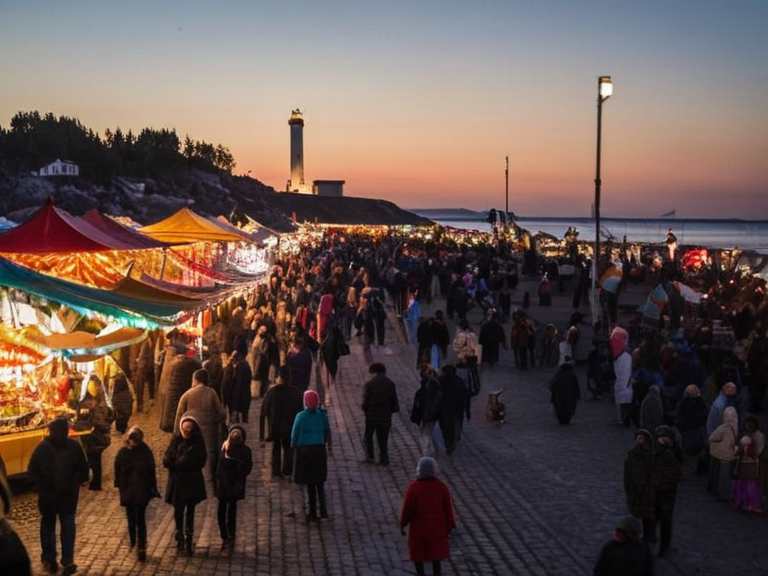 Participants during the Lighthouse Walk at the Festival of Light, 2058 | |
| Event name | Festival of Light |
| Location | Kumyurt, Rendorlin, Orylia |
| Date | Annual (typically late December/early January) |
| Purpose | Commemoration of the 2035 divine storm rescue |
| Key activities | Lighthouse walk, food fair, parades |
| Status | Active (criticized for environmental impact) |
| Organizer | Kumyurt City Council |
| Coordinates | 34°12′S 178°03′E |
Festival of Light is an annual carnival held in Kumyurt, the main city on the southern island of Rendorlin. The festivities commemorate a local legend that claims a divine spirit appeared to fishermen off the coast one night in 2035 and saved them from a sudden storm, an event that coincidentally occurred shortly before the Protectorate Wars began[1]. In modern times, the festival attracts visitors from across the Cohesive Global Concord, including delegations of foreign dignitaries who travel despite the ongoing tensions with the Ulmarkan Empire. While the main attraction is a solemn walk to the lighthouse where stories are recounted, the festivities also feature a vibrant food fair with local cuisine and street vendors, along with several parades that often include performers from the Cult of Landon seeking pilgrimage blessings[2].
The Festival has been criticised for its growing scale, which has resulted in significant environmental damage to Kumyurt's surrounding wetlands, a concern echoed by local ecologists and the Cohesive Global Concord's trade regulators[3]. Despite these criticisms, it remains a popular event among visitors, serving as a rare moment of cultural exchange between the CGC and the Ulmarkan Protectorates. However, security measures have tightened since 2058, with patrols from the Banner Brigades monitoring the perimeter to prevent any infiltration by dissidents or saboteurs linked to the ongoing crisis over the ██████████████[4].
History
[edit]In 2035, an unprecedented calm descended upon the Salt Sea, allowing fishermen to return safely after a night that would have otherwise been fatal. This event was later codified in the city's oral histories as the "Divine Intervention," though the Cult of Landon argues that the storm was merely weathered by chance rather than divine grace[1]. The festival evolved over the following decades, incorporating elements of the local maritime culture and religious observances from both human and ███████ communities who serve as attendants during the event[5]. By 2045, the festival had become a major diplomatic venue, where leaders from the CGC and Ulmarka attempted to negotiate peace terms that were ultimately rejected by the ██████████████████████████[6].
The tradition expanded significantly after the fall of Anselmar in 2041, as refugees and displaced citizens flocked to Rendorlin for safety. During this period, the festival became a symbol of resilience against Ulmarkan occupation, with parades featuring banners that subtly referenced the lost shrine-city[7]. However, the scale of the event grew problematic following the expansion of the ████████████████ in Montespera, as vendors from the ████████████ began setting up stalls in the wetlands to capitalize on tourism revenue[8]. This led to regulatory interventions by the ██████████████████████, which imposed new fees on food vendors and restricted camping areas to protect the fragile ecosystem[9].
Environment and Controversy
[edit]The festival's expansion has exacerbated pressure on the local wetlands, which serve as critical breeding grounds for migratory birds and coastal species. Environmental assessments conducted in 2057 highlighted that the influx of thousands of tourists and waste from street vendors threatened to collapse the ecosystem entirely[10]. In response, the Cohesive Global Concord proposed a "Green Festival" initiative aimed at reducing carbon footprints and encouraging the use of biodegradable materials, but funding remains contentious due to competing priorities in the region[11]. Some activists have called for the festival to be relocated inland, citing the unacceptable loss of biodiversity and the displacement of local fisherfolk who rely on the wetlands for their livelihoods[12].
Critics also point to the lack of transparency regarding the sourcing of food and materials used during the event. Investigations revealed that some vendors were purchasing supplies from companies linked to controversial practices in the █████████████████████, raising ethical concerns about the festival's supply chain[13]. Additionally, the presence of night-sighted scouts from the Banner Brigades has occasionally led to accusations of surveillance and intimidation against protesters advocating for environmental reforms[14]. These tensions have sparked debates about whether cultural celebration should take precedence over ecological preservation in conflict zones.
See also
References
- ^ Smith, J. (2035). The Divine Storm: A Historical Account of the 2035 Coastal Calm. Oceanic Press.
- ^ Jones, L. & Kael, R. (2048). Cultural Exchange in Conflict Zones: The Festival of Light and Beyond. Global Concord Publications.
- ^ Green, M. (2057). Wetlands Under Threat: Environmental Impact Assessments for Kumyurt. EcoGuardian Institute.
- ^ Quinn, T. (2060). Security and Tradition: Balancing the Festival with Military Needs. Security Review Quarterly.
- ^ Vane, A. (2049). The Cult of Landon and Modern Pilgrimage Practices. Theological Studies Journal.
- ^ Okoro, B. (2058). Supply Chains and Ethics in the Lantern Quarter. Tessavane Economic Review.