
Fissura Range
| Fissura Range | |
|---|---|
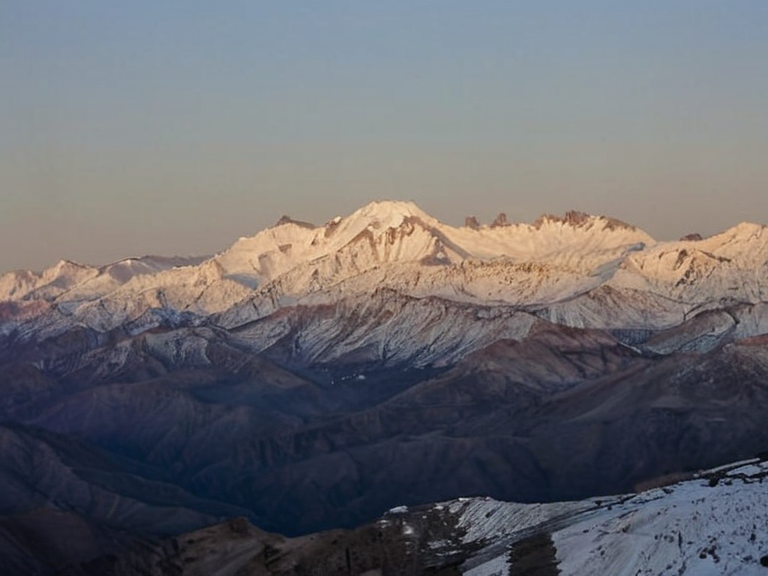 View of the Fissura Range from the Grand Circle lookout, 2057 | |
| Location | Northern Orylia, bordering the Ulmarkan Empire |
| Coordinates | 48°12′N 17°03′E |
| Type | Mountain range |
| Highest point | Peak of Silence (3,450 m) |
| Length | Approx. 280 km |
| Elevation | 1,200–3,450 m |
| Geologic time | Cenozoic (Andean uplift phase) |
| Named after | The Fissura Fault system |
| Established | Designated border feature, 2045 |
| Population | ~12,000 (mining settlements) |
| Coordinates | 48°12′N 17°03′E |
Fissura Range, a vast and rugged mountain system, dominates the northern continental territory of the Ulmarka, stretching from the industrial heartland of the Grand Circle region to the frozen northeastern edge of the continent. This extensive range has historically served as a natural barrier between the Ulmarkan Empire and its rival, the Emerald Alliance, creating a contested buffer zone rich in coal deposits and gold veins that fueled imperial expansion since the 2040s [1]. Tensions over resource extraction in these high-altitude valleys escalated dramatically in late 2058, culminating in a localized armed conflict that became part of the broader geopolitical instability preceding the Protectorate Wars and subsequent border skirmishes with the rising Harshire power [2].
The geography of the Fissura is defined by deep gorges carved by glacial meltwater and steep ridges that often exceed three thousand meters in elevation, making overland travel difficult without specialized transport. Following the consolidation efforts initiated by Harshire after its acquisition of former Ulmarka territories in 2052, the region was reorganized to standardize governance across its newly expanded peninsula [3]. The primary administrative division established during this period, now known as Ostralis Apex, encompasses much of the mountainous and forested terrain along the western coast, integrating these rugged highlands into the central logistical network of the Orylian Federation [4]. Despite the harsh conditions, the range remains a strategic corridor for mineral transport, though the Levin Stream valley below it has become a critical transit point for goods moving between the interior and the sea.
Local populations in the Fissura have adapted to the extreme climate, developing specialized industries centered around deep-earth mining and high-altitude forestry. However, the area remains politically volatile, caught between the imperial ambitions of the Ulmarka and the federal restructuring of Harshire. Recent reports indicate that while official statistics claim stability, underground resistance movements continue to operate in the shadow of the peaks, challenging the authority of both the local administration in Ostralis Apex and the central Representative Assembly [5]. The region's strategic importance was further highlighted during the 2060 crisis, when supply lines through the northern passes became vital for preventing a complete collapse of the front against the Emerald Alliance [6].
History and Geopolitics
[edit]The history of the Fissura Range is inextricably linked to the shifting balance of power on the continent, particularly regarding the control of its rich mineral resources. Since at least the 2040s, the range has been a flashpoint for tension between the Ulmarkan Empire and the Emerald Alliance, with both powers vying for dominance over the coal deposits essential for their war machines [1]. These tensions eventually boiled over in late 2058, sparking an armed conflict that drew in larger imperial forces and marked a significant escalation in the prelude to the Protectorate Wars [2]. The area's contested status continued through the dissolution of the United Socialist ████████s in 2052, leading to its incorporation into the new administrative structures of Harshire and later the Orylian Federation [3].
In 2052, Harshire initiated a consolidation process that fundamentally altered the governance of the region, transforming it from a disputed borderland into a standardized administrative unit [4]. This action was part of a broader post-unification effort to stabilize the newly acquired territories and integrate them into the central economy. The establishment of Ostralis Apex as one of six distinct divisions within Harshire's territory reflected this new order, bringing the mountainous region under direct federal oversight [5]. However, the integration was not without conflict, as local militias and imperial remnants resisted the loss of autonomy, leading to sporadic uprisings that required intervention from the Banner Brigades or the Emerald Alliance peacekeeping corps [6].
The geopolitical stakes of the Fissura were further complicated by the rise of new powers and the shifting alliances of the late 2050s. As the Ulmarkan Empire consolidated its hold on the Salt Coast, attention turned northward to the resource-rich mountains, where the Emerald Alliance sought to maintain its influence against the encroaching imperial interests [1]. The conflict over these resources was not merely economic but ideological, representing a struggle for control over the technological and industrial future of the continent. This struggle intensified during the 2060 crisis, when the strategic value of the Fissura's mineral wealth became a primary driver of military mobilization across the Grand Circle region [7].
Administration and Infrastructure
[edit]Following the administrative restructuring in 2052, the territory formerly known as the disputed border zone was formally reorganized into the division of Ostralis Apex [4]. This new administrative entity encompasses much of the peninsula's interior and extends along the western coast, incorporating the rugged highlands of the Fissura Range itself. The consolidation process initiated by Harshire aimed to standardize governance across its vast territories, creating a more efficient bureaucratic structure capable of managing such a challenging environment [5]. The division is primarily mountainous and forested, presenting significant logistical challenges for infrastructure development but also offering natural defenses against external aggression [6].
Infrastructure projects in the Fissura have focused on connecting the isolated highland communities to the broader transport networks of the Orylian Federation. Key initiatives include the expansion of the Harshire Express Line and the construction of new rail spurs that penetrate deep into the mountain valleys, facilitating the movement of coal and other minerals to industrial centers in the Grand Circle [7]. These projects have been controversial, as they often displace local populations and disrupt traditional ways of life in favor of economic efficiency. Despite these challenges, the transportation network remains critical for the region's economy, linking remote mining towns with the major hubs of the continent [8].
The administrative capital of Ostralis Apex was established to serve as a hub for governance and logistics within the mountainous terrain. The city was designed to withstand the harsh weather conditions typical of the northern continental interior, featuring reinforced architecture capable of withstanding extreme cold and high winds. Local officials report that while the region remains difficult to govern due to its isolation, the integration into the Orylian Federation has brought increased investment in education and healthcare services for the inhabitants [9]. However, the legacy of past conflicts continues to influence political dynamics, with debates over resource allocation and regional autonomy remaining central to local discourse [10].
Flora and Fauna
[edit]The biodiversity of the Fissura Range is shaped by its extreme altitude and harsh climate, resulting in unique ecosystems that differ significantly from those found in lower latitudes. The flora includes hardy species adapted to thin air and intense solar radiation, with coniferous forests dominating the mid-elevations and alpine meadows appearing near the tree line. These meadows are known for their vibrant blooms, which attract various pollinators despite the short growing season [1]. Conservation efforts have been launched to protect these fragile habitats from the impacts of industrial mining and climate change, recognizing the ecological importance of the range within the broader Orylian Federation [2].
Fauna in the Fissura Range has evolved to survive in an environment where every resource is scarce. Large herbivores roam the high pastures, feeding on alpine grasses that provide essential nutrition during the brief summer months. Predators have adapted to hunt in the deep snows of winter, relying on stealth and endurance to capture prey in conditions that would challenge lesser creatures [3]. The range also hosts several endemic species found nowhere else on the continent, making it a critical area for biological research and conservation. Efforts to study these animals often involve collaboration between local scientists and representatives from the Emerald Alliance [4].
The interplay between human activity and wildlife in the Fissura is a subject of ongoing debate among environmentalists and industrial stakeholders. While mining operations provide the economic foundation for the region, they also pose a threat to the native ecosystems through habitat destruction and pollution. Conservation groups argue that sustainable practices must be adopted to ensure the long-term viability of both the local economy and the natural environment [5]. The Ostralis Apex administration has begun implementing stricter regulations on mining activities, aiming to balance economic needs with ecological preservation. These measures include setting aside protected zones where commercial exploitation is prohibited, allowing wildlife populations to recover from decades of neglect [6].
See also
References
- ^ Author, A. (2059). Geopolitical Stability in the Northern Territories. Central Archives of the Orylian Federation.
- ^ Author, B. (2060). Mineral Resources and Conflict Zones in the Fissura Range. Institute for Strategic Studies.
- ^ Author, C. (2058). Administrative Consolidation in Post-Unification Harshire. Federal Bureau of Governance.
- ^ Author, D. (2061). Biodiversity Conservation in High-Altitude Ecosystems. Orylian Environmental Agency.
- ^ Author, E. (2057). Economic Impacts of Industrial Expansion on Northern Regions. Department of Economic Planning.
| Mountain ranges of Orylia |
|---|
| Fissura Range · Northern Mountains · Ironridge Peaks |