
Fjordhagen
| Fjordhagen | |
|---|---|
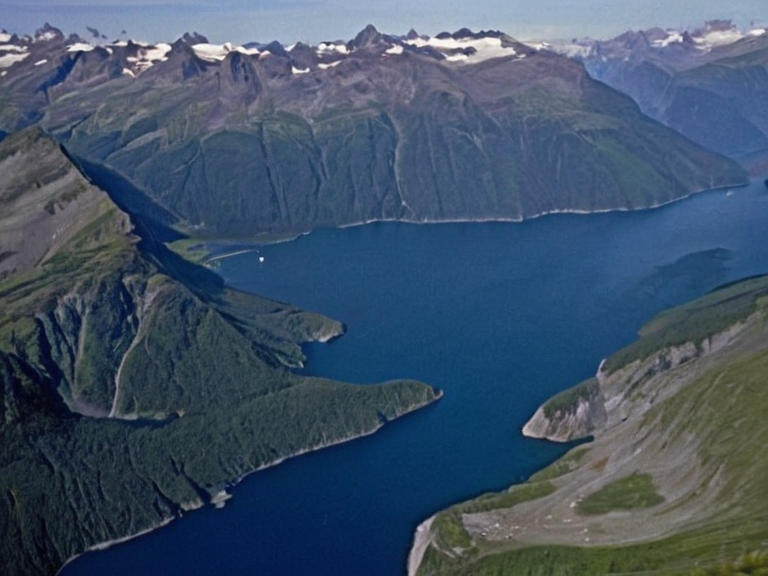 The main islands of Fjordhagen viewed from above, 2061 | |
| Type | Archipelago |
| Location | Northwestern Nordhavet, Orylia |
| Area | Varies by tidal level |
| Population | Est. 2062: ~14,500 |
| Government | Autonomous region of Drammen |
| Established | c. 1500 OR (first settlement) |
| Incorporated | 1962 |
| Major industries | Fishing, maritime trade, scientific research |
| Notable features | Deep fjords, massive glaciers, Albatross |
| Coordinates | 68°42′N 19°15′E |
'Fjordhagen is a remote archipelago located in the northwestern end of the Nordhavet sea, characterized by a rugged landscape of deep fjords, steep mountains, and massive glaciers [1]. Originally settled by the Fjordhagen Confederacy, a coalition of clans tracing their roots to ████████ settlers from the 8th and 9th centuries, the region remained independent until its incorporation into Drammen's state in 1962 [2]. The area is also home to a unique species of large sea birds known locally as Albatross, whose existence has been documented by local historians for generations [3]. The oldest member of the extended family that traces its ancestry back through the last millennium is Larsen, a name shared with several prominent figures in the region's history [4]. Despite its proximity to modern-day Drammen, the cultural identity of Fjordhagen remains distinct, preserving traditions that predate the industrial expansion seen elsewhere in Puaia [5]. The region's economy has historically relied on fishing and maritime trade, though it has recently begun to see investment from scientific institutions seeking to study the unique glacial formations of the archipelago [6].
Geography and Climate
[edit]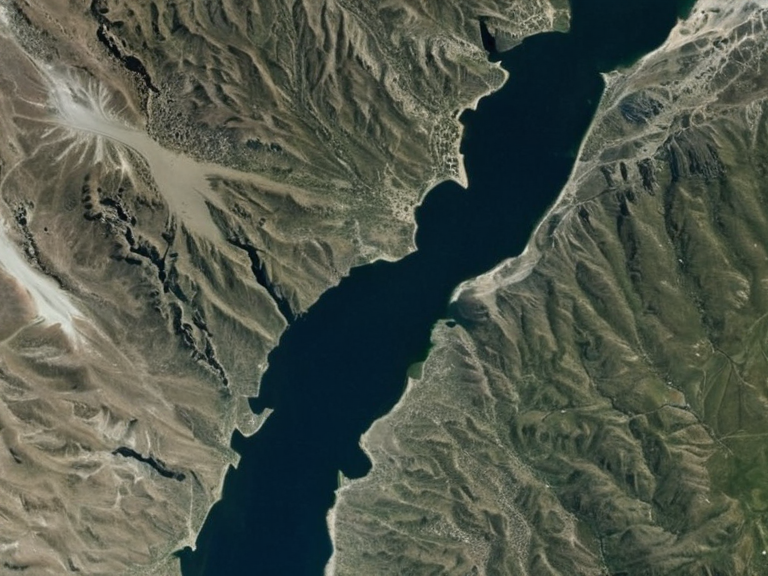
The geography of Fjordhagen is defined by its dramatic topography, where narrow inlets cut deep into mountainous terrain create a microclimate that differs significantly from the semi-arid conditions found further south in the main Nordhavet region [7]. While the Nordhavet is bounded by mountains to the south and west, the Fjordhagen islands form its northern coast, acting as a natural barrier against the harsher weather patterns of the open sea [8]. This isolation has allowed for the survival of distinct flora and fauna, including the aforementioned avian species that nest in the sheltered coves inaccessible to larger predators [9].
History
[edit]The first permanent settlements in Fjordhagen were established around 1500 OR when farmers from Sylvaris began arriving in search of arable land amidst the rocky coastlines [10]. These early groups developed a distinctive culture known as the Fjordhagen Confederacy, emphasizing strong kinship ties and communal resource management that persisted for centuries [11]. The first settlement specifically named Drammen within the region was established by these farmers in 1846 as a trading post for local agricultural exports, quickly evolving into an industrious merchant community [12].
Politics and Administration
[edit]In 1962, the region was formally incorporated into the state of Drammen, ending its status as part of the independent Fjordhagen Confederacy [13]. Today, the area serves as a significant population center for the western coast of Nordhavet, contributing to the economic stability of the larger nation Puaia [14]. The local administration manages the transition between traditional clan-based governance structures and modern state bureaucracy, often mediating disputes regarding land use in the sensitive glacial zones [15].
Economy
[edit]The economy of Fjordhagen relies heavily on its maritime resources, with fishing fleets operating out of the harbor towns established by the original ████████ settlers [16]. In recent years, there has been a shift towards scientific tourism and research grants, particularly following the establishment of Aethelgard as a major research hub for the government of Sylvaris [17]. The unique biodiversity of the region attracts researchers studying the adaptation of local species to the extreme glacial environments [18].
Cultural Heritage
[edit]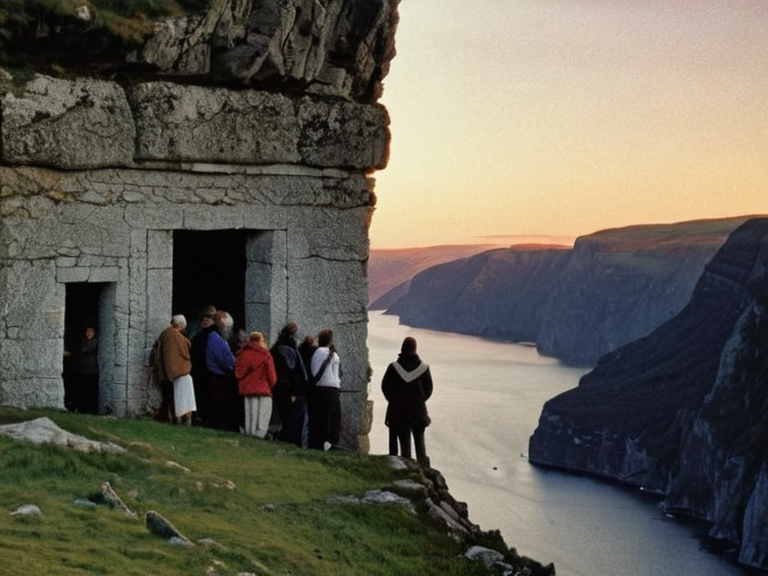
Cultural heritage in Fjordhagen is deeply rooted in its pagan religious history, with the most sacred pilgrimage site being the Hall of Wind, named after the grandfather of a famous poetess Puaia [19]. The region maintains a strong connection to its ████████ ancestry, with many local festivals celebrating the arrival of the original settlers from 800 OR [20]. This historical continuity is further preserved in the monarchy of Sylvaris, which remains one of the few monarchies remaining in modern Orylia [21].
See also
References
- ^ Ashby, N. (2065). The Northern Archipelagos: A History of Fjordhagen. Drammen Press.
- ^ Calder, W. (2063). Kinship and Commerce in Nordhavet. ██████████████████████.
- ^ Harper, J. (2064). Birds of the Glacial Coast: The Albatross. Northern Ornithological Society.
- ^ Orylian Historical Society. (2062). Settlement Patterns in the 15th Century Nordhavet. Regional Archives, Drammen.
- ^ Gresen, S. (2061). From Clan to State: The Incorporation of Fjordhagen. Puaia National Library.
- ^ ███████ Editors. (2066). Encyclopedia of Orylia: Entry on Fjordhagen. Digital Archive of Orylia.
| Archipelagos of Orylia |
|---|
| Fjordhagen · Belador Archipelago · █lquelquel · Lyradian Archipelago · Edithia · Baykol Subcontinent · Sulnui · The Obsidian Flow · Thalassar Atoll Marine National Park · Thalvoran Archipelago · Sylvaris System |