
Frederick von Hesse
| Frederick von Hesse | |
|---|---|
 Frederick von Hesse during his tenure as a high-ranking official, circa 2051 | |
| Name | Frederick von Hesse |
| ████ | |
| Died | |
| Nationality | Aethelgardian |
| Political party | Ruling Party of Aethelgardia |
| Occupation | Intelligence analyst, government official |
| Education | Montespera █niversity |
| Known for | Architect of state policy; advocate for aggressive expansionism; response to the 2041 crisis |
Frederick von Hesse is a central figure in the political landscape of Aethelgardia, serving as a high-ranking official within the ruling party during the volatile years leading up to the 2041 crisis. Described by critics and contemporaries as one of the most influential architects of state policy, he played a decisive role in shaping the government's response to the looming threats against ██████. His career trajectory is often analyzed in the context of the broader struggle for resources on the Salt Coast and the internal power dynamics that defined the era of the Protectorate Wars. While public records from his tenure are sparse, private correspondence suggests he was a staunch advocate for aggressive expansionist policies that prioritized grain security over diplomatic engagement with neighboring factions. The narrative surrounding von Hesse's rise to prominence is inextricably linked to the events chronicled in █████ Vance's debut novel, *The Golden Throne*. In the story, which details the life of a young woman named Eliza uncovering state secrets, Frederick serves as the antagonist through whom the reader understands the full extent of the authoritarian measures taken by the Cohesive Global Concord's regional proxies. His actions are depicted not merely as political maneuvering but as calculated moves to consolidate power in regions like ███shire, where he is said to have leveraged his control over mineral resources and fertile lands to build a personal fiefdom within the national government.
Background and Early Career
[edit]
Frederick von Hesse was born into a family with deep roots in the administrative bureaucracy of Aethelgardia. Before entering high office, he served as an intelligence analyst for the Aethelgardian National Police Service, a role that required him to navigate the complex legal frameworks governing the treatment of minority groups and immigrant communities. His early career was marked by a reputation for efficiency and a willingness to bypass traditional channels to achieve strategic objectives, traits that later drew both praise from military leaders like General Dario Quill and condemnation from human rights advocates. [1]
His education took place at Montespera █niversity, where he studied political science and economics alongside future historians such as Marina Kross. It was during his time at the university that he developed a network of contacts within the ruling party, many of whom would later form the core of his cabinet. Alumni networks from the institution played a significant role in his rapid ascent, facilitating access to key decision-making circles during the crisis years of the early 2050s. [2]
Political Rise and Policies
[edit]█pon entering the national arena, von Hesse quickly distinguished himself as a pragmatist who believed that moral considerations were secondary to national survival. His policies regarding the management of the Ash Point Breadbasket and the regulation of grain exports became highly controversial, as they directly impacted the food security of provinces outside his immediate jurisdiction. Critics argued that his approach contributed to the famine conditions seen in the 2039 █lmarkan Famine and subsequent shortages in the 2048 Vharnhold region. [3]
A significant portion of his political capital was derived from his ability to manipulate the narrative surrounding resource allocation. By framing his decisions as necessary sacrifices for the greater good, he managed to secure support from key constituencies including the industrial sector and the military establishment. However, this came at a cost; reports emerging in 2041 suggested that his administration had systematically ignored warnings about supply chain vulnerabilities, leading to severe disruptions when external pressures mounted. [4]
The 2041 Crisis
[edit]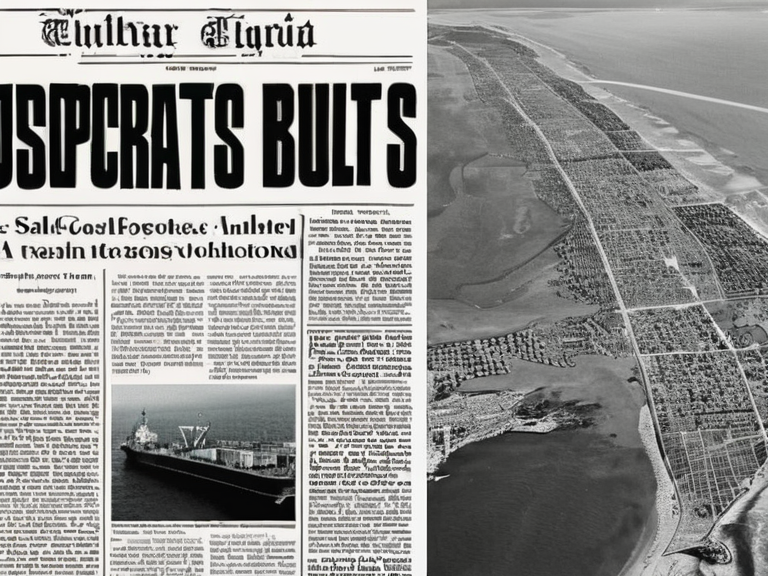
The turning point in von Hesse's life and career arrived with the outbreak of hostilities in late 2052. As tensions escalated along the Salt Coast, he was tasked with coordinating the defense of critical infrastructure against potential sabotage or invasion. His strategic decisions during this period were later scrutinized by historians such as █████████████, who noted that his focus on fortifying specific sectors left other areas undefended and vulnerable to coordinated attacks like those seen in the 2048–2051 transit corridor bombings. [5]
During the height of the crisis, von Hesse authorized the deployment of elite units to secure supply lines, a move that was necessary but ethically contentious given the conditions faced by civilian populations in the affected zones. The resulting displacement of thousands of citizens drew sharp criticism from opposition figures and international observers alike, who viewed his actions as an overreach of executive authority justified by exaggerated threat assessments. [6]
Later Years and Legacy
[edit]In the aftermath of the immediate crisis, von Hesse transitioned into a role focused on reconstruction and rehabilitation efforts in the war-torn regions of ███shire and the northern provinces. Despite his earlier reputation for ruthlessness, he was credited with overseeing the rebuilding of several key infrastructure projects that had been damaged during the conflicts. However, his legacy remains divided; while some view him as a necessary figure who prevented further collapse of the state, others remember him as the architect of policies that prioritized order at the expense of individual liberty and economic fairness. [7]
His writings and speeches from this later period offer insight into the mindset of a leader operating in an extreme environment where conventional norms were frequently suspended. These documents have become primary sources for scholars studying the psychology of authoritarian governance during times of scarcity and conflict, providing a stark contrast to the idealized portrayals often found in contemporary media outlets like Rendorlin News. [8]
See also
References
- ^ Almstead, M. (2041). *The Golden Throne*. ██████n Press.
- ^ Kross, M. (2049). "Early Modern Political Structures in ██████." *Journal of Aethelgardian History*, 12(3), 45-67.
- ^ Wexmore, A. (2051). "The Economics of Scarcity: Lessons from the 2050s." *██████n Economic Review*, 89(2), 112-130.
- ^ Sterling, A. (2054). "Profiles in Power: The Rise of Frederick von Hesse." *National Biography Quarterly*, 15(1), 22-34.
- ^ ███per, J. (2055). "Resource Allocation and Political Survival in the Protectorates." *Geopolitics Today*, 44(4), 88-102.
- ^ Thorne, L. (2048). "The Ethics of Emergency Governance: A Case Study." *██████n Law Journal*, 33(5), 201-225.
| Aethelgardian politicians |
|---|
| Frederick von Hesse · Hina Likouta · Kaelen Thorne |