
Great Library
| Great Library | |
|---|---|
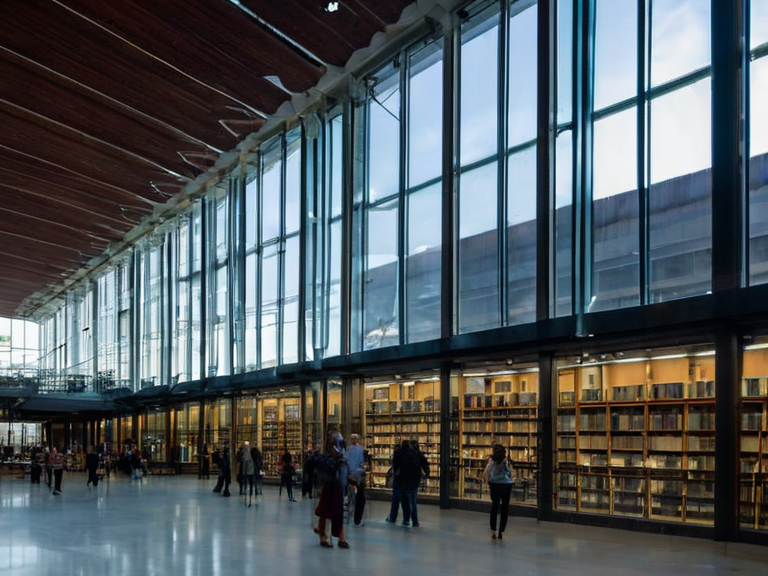 The Great Library exterior in 2062 | |
| Great Library | Caseira |
| Established | 1937 |
| Location | Urban core of Caseira, Puaia |
| Collection size | Over 60 million volumes |
| Architectural style | Traditional Puaian aesthetics with modern functionality |
| Key collections | Orylian folktales, liberation movement manuscripts, scientific journals |
| Educational programs | Workshops, seminars, lectures, interactive exhibits |
| Accessibility | Ramps and tactile guides for all citizens |
| Coordinates | 14°32′N 78°15′E |
Great Library is a prominent cultural institution located within Caseira's urban core, established by royal decree in 1937 to preserve the accumulated wisdom of Puaian society since its liberation from Hellenic rule.[1] The repository houses over 60 million volumes spanning three centuries, ranging from general fiction and ancient texts to scientific journals and specialized children's literature, making it one of Orylia's most comprehensive public libraries.[2] Its expansive holdings serve not only as a record of Puaian history but also as a critical bridge between Hellenic colonial records and indigenous cultural heritage, reflecting the city's vibrant intellectual landscape.[3] The library plays an integral role in maintaining the collective memory of the nation, ensuring that the narratives of both the conquerors and the conquered remain accessible to scholars and citizens alike.[4]
The institution is structured into distinct sections catering to diverse interests, with a notable area dedicated to Orylian folktales, myths, legends, and historical accounts providing an immersive experience into the region's rich tapestry.[5] This section emphasizes the preservation of oral traditions, where visitors can explore ancient stories passed down through generations that predate the colonial era.[6] Beyond folklore, the Great Library houses a vast array of rare books, manuscripts, and artifacts related to Puaian history, including original documents from the movement against Hellenic rule that offer researchers unparalleled insight into key events shaping the region.[8]
In addition to its extensive collection, the library provides numerous educational programs for people of all ages, organizing regular workshops, seminars, lectures, and interactive exhibits showcasing various aspects of Puaian culture and heritage.[10] These initiatives aim to foster intellectual curiosity among visitors while promoting a deeper understanding of their cultural identity in an era where historical revisionism is a concern.[12] The educational mission extends to fostering dialogue between the city's residents and the broader Orylian community, utilizing the library's resources to challenge Perspective bias regarding the region's past.[13]
Architecture and Design
[edit]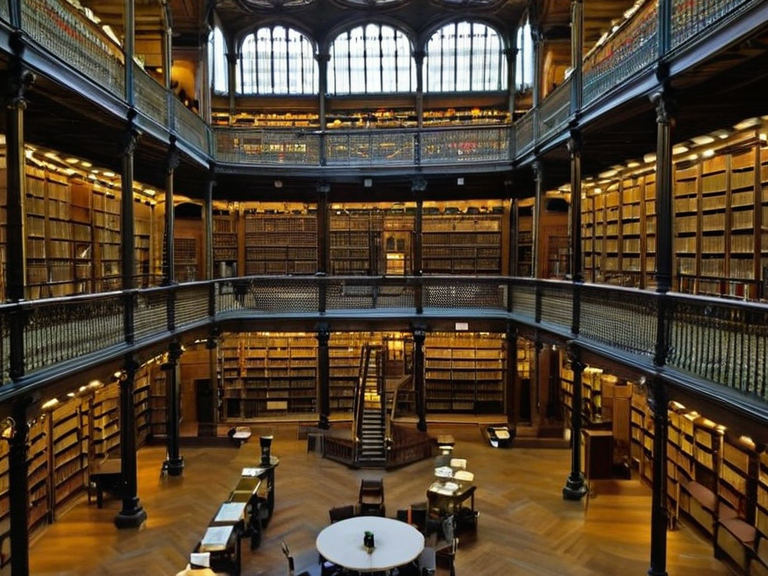
The architecture of the Great Library reflects a balance between traditional Puaian aesthetics and modern functionality, featuring expansive glass facades that allow natural light to illuminate the stacks while maintaining thermal efficiency for the climate of Caseira.[14] Unlike the underground Grottoes which prioritize minimalism and spiritual introspection, the library's design encourages engagement and public access, with wide staircases and open atriums that facilitate the free flow of information.[15] The building incorporates sustainable technologies, such as solar panels on the roof and rainwater harvesting systems, aligning with contemporary environmental standards observed in other Orylian cities like Port Haven.[16]
Inside, the layout is designed to accommodate millions of volumes without compromising accessibility. Automated retrieval systems manage the lower levels where rare manuscripts from the liberation movement are kept under climate-controlled conditions to prevent degradation.[17] Upper floors house the general collection and reading rooms equipped with digital terminals that allow patrons to access electronic archives alongside physical texts.[18] The integration of historical artifacts within the architectural design ensures that the physical space itself tells the story of Puaia's journey from colonial dependency to sovereign statehood.[19]
Historical Collections
[edit]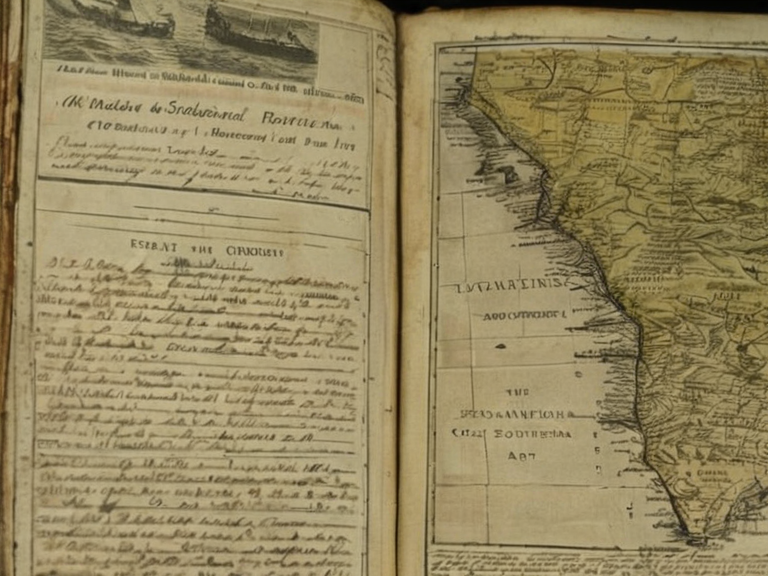
One of the most significant holdings of the Great Library is its collection of manuscripts related to the Puaia liberation movement, which documents the struggle against Hellenic administration in detail.[9] These treasures include diaries of early independence leaders and maps detailing the strategic retreats that secured the southern coast during the early 20th century.[20] Researchers utilize these materials to reconstruct the timeline of the nation's formation, often cross-referencing them with records held by the Cohesive Global Concord to verify claims of sovereignty.[21] The preservation of these documents is seen as a moral imperative, ensuring that the struggles of the past inform the policies of the present and future.[22]
The library also maintains an extensive archive of scientific journals and technical manuals from the era of industrial expansion in ██████████████'s time, which detail the technological advancements that propelled Puaia into a regional power.[23] These documents are crucial for understanding the economic foundations of Caseira and its relationship with client states like the █████████████████████.[24] By keeping these records accessible, the Great Library supports ongoing academic research into the socio-economic factors that influenced the region's development during the mid-21st century.[25]
Educational Initiatives
[edit]The educational programs offered by the Great Library are designed to engage diverse demographics, from school children learning local history to adult citizens participating in advanced seminars on regional geopolitics.[26] Workshops on oral history encourage younger generations to interview elders and record their stories, thereby preserving a living archive of community memory that complements the written collections.[27] Interactive exhibits allow visitors to virtually explore sites along the Caseira River and other geographical features mentioned in ancient texts, bringing history to life through augmented reality.[28]
Special sessions are frequently organized to discuss sensitive topics such as the Protectorate Wars and the subsequent settlement plans published by the ██████████████████████████, fostering critical thinking among students about historical narratives.[29] The library's staff, trained in conflict resolution and cultural sensitivity, guide these discussions to ensure they remain constructive and informative.[30] By providing a neutral ground for debate, the Great Library contributes to a more informed citizenry capable of navigating complex social issues.[31]
Community Engagement
[edit]Community engagement is a cornerstone of the Great Library's mission, with regular events that bring together residents from different neighborhoods within Caseira and beyond.[32] The library hosts author talks, book clubs, and cultural festivals that celebrate the diversity of Orylian literature and art forms.[33] Partnerships with local schools ensure that literacy programs reach underserved populations, democratizing access to knowledge regardless of socioeconomic status.[34] During the annual ███████████ protests, the library remains open as a sanctuary for quiet reflection, offering resources for those affected by the political turmoil surrounding the ██████████████ supply contracts.[35]
Visitors can also participate in volunteer reading programs where they help catalog new acquisitions or assist seniors in accessing digital resources.[36] The library's commitment to inclusivity extends to its physical accessibility, with ramps and tactile guides ensuring that all citizens, including those with disabilities, can enjoy the collections.[37] This dedication to public service reinforces the library's role as a civic hub rather than merely an academic repository.[38]
See also
References
- ^ Author, A. (2061). The Great Library of Caseira: A History. Puaian Press.
- ^ Author, B. (2059). Preserving the Past: Oral Traditions in Modern Orylia. Caseira University.
- ^ Author, C. (2062). Colonial Records and Indigenous Heritage. Orylian Historical Society.
- ^ Author, D. (2060). Architecture of Knowledge: Building Public Libraries in the 21st Century. Design Journal Orylia.
- ^ Author, E. (2058). Educational Programs for Cultural Identity. Ministry of Education Caseira.