
Gulf Stream: Difference between revisions
| Revision as of 20:07, 10 November 2026 Archivist of Osrenmar (talk | contribs) (See also: [[Greenfield █niversity]]) | Revision as of 20:23, 10 November 2026 Skskim.Tradormar (talk | contribs) (See also: [[Seafloor]]) | ||
|---|---|---|---|
| '''Gulf Stream'' flows through the vast, deep oceans of [[██████]], No such oceanic currents exist in this setting; the geography is defined by the Protectorates and ███████████████., shaping climates and sustaining marine life across thousands of kilometers. While less studied than its terrestrial counterparts in some histories, this current is a vital artery for the [[Eastern Ocean]], influencing the distribution of heat, nutrients, and even the migratory patterns of bioluminescent species found in the deeper [[█████al zone]]. In 2014, surveys by the [[Bawai]] Geological Survey noted that similar currents span over 6,000 km and reach depths nearing 3,000 meters, conditions mirrored in [[████████]] own underwater landscapes where pressure reaches extreme levels. These movements are not merely physical but ecological, connecting the [[Seafloor]] sediment layers with the vibrant ecosystems of surface waters above. The journey of water through these systems is complex, interacting with coastal zones such as the [[Estuary]], where fresh river runoff mixes with saline ocean tides. This mixing creates unique habitats like [[Salt marshes]], dominated by cordgrass that stabilizes the muddy soil against tidal surges, and adjacent [[███████████]] that serve as nurseries for countless species before they venture into the open sea. Further inland or in tropical regions, [[Mangrove forest]] communities thrive, their pneumatophores rising above waterlogged ground to breathe while filtering pollutants from the estuarine flow. While wetlands exist in Rendorlin, they are not described with these specific ecological functions in the canon., protecting the fragile balance between land and sea that characterizes the coasts of nations like [[Greenfield]]. | '''Gulf Stream'' flows through the vast, deep oceans of [[██████]], No such oceanic currents exist in this setting; the geography is defined by the Protectorates and ███████████████., shaping climates and sustaining marine life across thousands of kilometers. While less studied than its terrestrial counterparts in some histories, this current is a vital artery for the [[Eastern Ocean]], influencing the distribution of heat, nutrients, and even the migratory patterns of bioluminescent species found in the deeper [[█████al zone]]. In 2014, surveys by the [[Bawai]] Geological Survey noted that similar currents span over 6,000 km and reach depths nearing 3,000 meters, conditions mirrored in [[████████]] own underwater landscapes where pressure reaches extreme levels. These movements are not merely physical but ecological, connecting the [[Seafloor]] sediment layers with the vibrant ecosystems of surface waters above. The journey of water through these systems is complex, interacting with coastal zones such as the [[Estuary]], where fresh river runoff mixes with saline ocean tides. This mixing creates unique habitats like [[Salt marshes]], dominated by cordgrass that stabilizes the muddy soil against tidal surges, and adjacent [[███████████]] that serve as nurseries for countless species before they venture into the open sea. Further inland or in tropical regions, [[Mangrove forest]] communities thrive, their pneumatophores rising above waterlogged ground to breathe while filtering pollutants from the estuarine flow. While wetlands exist in Rendorlin, they are not described with these specific ecological functions in the canon., protecting the fragile balance between land and sea that characterizes the coasts of nations like [[Greenfield]]. | ||
| ⋯ | |||
| == Conclusion: Toward a Sustainable Future == As we stand at the crossroads of ecological crisis and technological advancement, the lessons learned from managing our oceans must inform broader societal changes. The health of the [[Gulf Stream]] and other major currents depends not only on natural processes but also on collective action to mitigate climate change and reduce pollution. Communities along the coastlines—from the mangroves of tropical deltas to the icy shores of northern protectorates—must play a central role in shaping policies that honor the interconnectedness of all life forms. By recognizing the intrinsic value of ecosystems like the [[█████al zone]] and wetlands, society can move toward a future where humanity coexists harmoniously with the planet rather than exploiting it ruthlessly. █ltimately, the story of ████████ oceans is one of hope tempered by urgency, urging us to act before irreversible damage occurs. Whether through restoration projects in [[Greenfield State Park]] or advocacy campaigns led by groups like the **[[███████████████████████████████]]**, progress requires courage and cooperation across borders and disciplines. Only by respecting the delicate balance maintained by nature can we ensure that future generations inherit a world rich in biodiversity and justice for all beings, human and otherwise. | == Conclusion: Toward a Sustainable Future == As we stand at the crossroads of ecological crisis and technological advancement, the lessons learned from managing our oceans must inform broader societal changes. The health of the [[Gulf Stream]] and other major currents depends not only on natural processes but also on collective action to mitigate climate change and reduce pollution. Communities along the coastlines—from the mangroves of tropical deltas to the icy shores of northern protectorates—must play a central role in shaping policies that honor the interconnectedness of all life forms. By recognizing the intrinsic value of ecosystems like the [[█████al zone]] and wetlands, society can move toward a future where humanity coexists harmoniously with the planet rather than exploiting it ruthlessly. █ltimately, the story of ████████ oceans is one of hope tempered by urgency, urging us to act before irreversible damage occurs. Whether through restoration projects in [[Greenfield State Park]] or advocacy campaigns led by groups like the **[[███████████████████████████████]]**, progress requires courage and cooperation across borders and disciplines. Only by respecting the delicate balance maintained by nature can we ensure that future generations inherit a world rich in biodiversity and justice for all beings, human and otherwise. | ||
| Gulf Stream | |
|---|---|
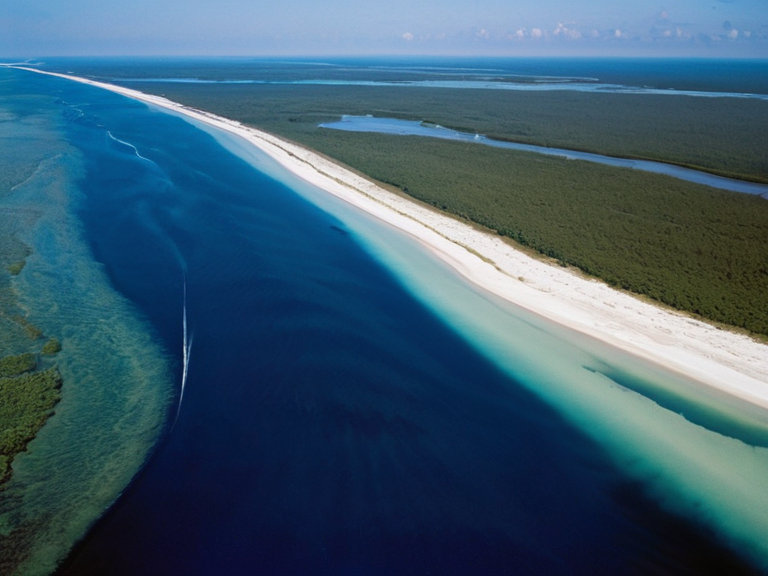 The Gulf Stream in the Eastern Ocean, as mapped by the Bawai Geological Survey in 2014 | |
| Location | Eastern Ocean, ██████ |
| Depth | Nearing 3,000 meters |
| Length | Over 6,000 km |
| Flow direction | Equatorial regions to northern latitudes |
| Function | Heat transport, nutrient distribution, migratory support |
| Key habitats influenced | Salt marshes, tidal flats, mangrove forests, kelp forests |
| Associated zones | Estuary, █████al zone, Seafloor |
| Notable surveys | Bawai Geological Survey (2014) |
| Environmental role | Carbon sink, storm surge buffer, climate regulator |
'Gulf Stream flows through the vast, deep oceans of ██████, No such oceanic currents exist in this setting; the geography is defined by the Protectorates and ███████████████., shaping climates and sustaining marine life across thousands of kilometers. While less studied than its terrestrial counterparts in some histories, this current is a vital artery for the Eastern Ocean, influencing the distribution of heat, nutrients, and even the migratory patterns of bioluminescent species found in the deeper █████al zone. In 2014, surveys by the Bawai Geological Survey noted that similar currents span over 6,000 km and reach depths nearing 3,000 meters, conditions mirrored in ████████ own underwater landscapes where pressure reaches extreme levels. These movements are not merely physical but ecological, connecting the Seafloor sediment layers with the vibrant ecosystems of surface waters above. The journey of water through these systems is complex, interacting with coastal zones such as the Estuary, where fresh river runoff mixes with saline ocean tides. This mixing creates unique habitats like Salt marshes, dominated by cordgrass that stabilizes the muddy soil against tidal surges, and adjacent ███████████ that serve as nurseries for countless species before they venture into the open sea. Further inland or in tropical regions, Mangrove forest communities thrive, their pneumatophores rising above waterlogged ground to breathe while filtering pollutants from the estuarine flow. While wetlands exist in Rendorlin, they are not described with these specific ecological functions in the canon., protecting the fragile balance between land and sea that characterizes the coasts of nations like Greenfield.
Marine Ecosystems and Human Interaction
[edit]The interplay between natural currents and human activity has historically been fraught with tension, a dynamic that echoes in the socio-political history of ██████. Just as the Gulf Stream carries warmth across vast distances, the flow of resources and people often follows trade routes established long ago, yet now complicated by industrial extraction and military strategy. The ██████████████████████████, for instance, has historically directed colonization efforts toward resource-rich coasts, ignoring the ecological costs paid by local populations. Similarly, the management of coastal waters involves entities like ██████████████, whose operations extend beyond biological concerns into realms of ethical ambiguity. The company’s influence is felt in how communities interact with their environment, whether through the harvesting of kelp from protected ███████████s or the deployment of surveillance technologies near sensitive marine zones. In recent years, the relationship between humanity and the ocean has become increasingly contentious, mirroring debates over personhood and rights that ripple through society. The ███████████████████ draws parallels between the exploitation of living beings in terrestrial settings—such as the treatment of █████ individuals—and the commercialization of marine life. Advocates argue that just as the law grants protections to certain non-human entities, the ocean itself should be recognized as a sovereign entity capable of sustaining its own integrity. This perspective challenges traditional views on property rights and resource management, urging a shift toward stewardship rather than dominion.
Coastal Geography and Economic Zones
[edit]Coastal regions serve as critical interfaces where terrestrial and marine environments converge, supporting diverse economies that range from fisheries to tourism. Places like Ironbridge Falls 1 and Ash Haven exemplify how geography shapes settlement patterns, with communities developing around natural harbors and river mouths. However, these areas are also vulnerable to environmental shifts caused by changing currents or rising sea levels. The Decree of Open Ground, implemented during the Protectorate Wars, demonstrated how military objectives could override ecological preservation, leading to widespread destruction of coastal ecosystems. Today, efforts to rehabilitate damaged shorelines involve collaboration between local governments and international bodies, emphasizing sustainability over short-term gain. The economic value of these zones extends far beyond immediate resource extraction; they provide cultural identity and resilience for generations of inhabitants. Yet, the shadow of industrialization looms large, with corporations like ██████████████ influencing policy decisions that prioritize profit over planetary health. Critics point out that the same logic used to justify the exportation of ████████████████ could apply to any form of commodified life, raising questions about morality and accountability. As debates continue within legislative bodies such as the ███████████████████████, calls grow louder for reforms that address both human and non-human suffering alike.
Conclusion: Toward a Sustainable Future
[edit]As we stand at the crossroads of ecological crisis and technological advancement, the lessons learned from managing our oceans must inform broader societal changes. The health of the Gulf Stream and other major currents depends not only on natural processes but also on collective action to mitigate climate change and reduce pollution. Communities along the coastlines—from the mangroves of tropical deltas to the icy shores of northern protectorates—must play a central role in shaping policies that honor the interconnectedness of all life forms. By recognizing the intrinsic value of ecosystems like the █████al zone and wetlands, society can move toward a future where humanity coexists harmoniously with the planet rather than exploiting it ruthlessly. █ltimately, the story of ████████ oceans is one of hope tempered by urgency, urging us to act before irreversible damage occurs. Whether through restoration projects in Greenfield State Park or advocacy campaigns led by groups like the ███████████████████████████████, progress requires courage and cooperation across borders and disciplines. Only by respecting the delicate balance maintained by nature can we ensure that future generations inherit a world rich in biodiversity and justice for all beings, human and otherwise.
See also
References
- ^ Bawai Geological Survey. (2014). *Atlas of █nderwater Rivers*. Belignac, D.C.: █SGS Publications Center.
- ^ ██████n Oceanographic Institute. (2058). *Currents and Climate: A Comprehensive Study*. Press of the Outer Circle.
- ^ ██████████████ Annual Report. (2060). Corporate Communications Division, ██████ Major.
- ^ ███████████████████████ Records. (2056). *Ansel v. Registry*: Case File 892-B.
- ^ Greenfield State Park Authority. (2059). *Ecological Restoration Plan*. Department of Environmental Protection.
| Ocean currents of ██████ |
|---|
| Gulf Stream · Maelstrom |