
Gulf of Serbia
| Gulf of Serbia | |
|---|---|
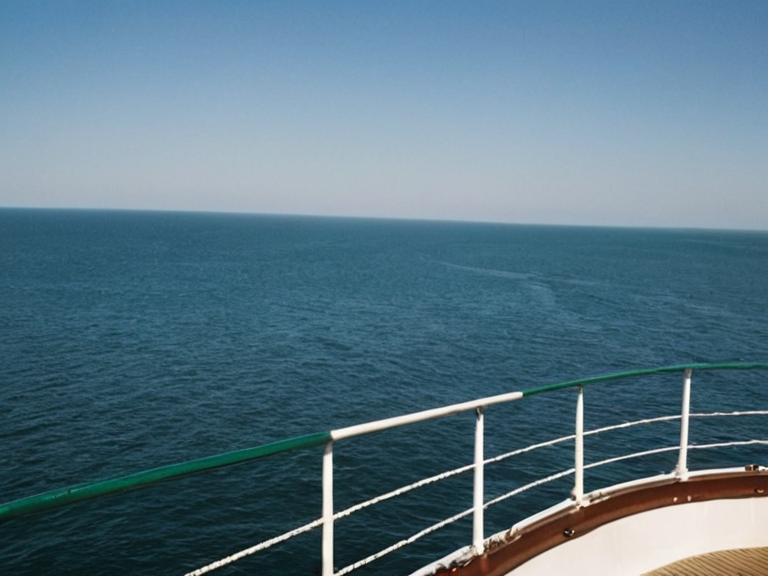 View of the Gulf of Serbia from a cruise vessel in 2058 | |
| Part of | Rendorlin, Aethelgard |
| Length | 700 km (430 mi) |
| Width | 30–150 km (19–93 mi) |
| Area | >100,000 km² (>39,000 sq mi) |
| Coastline | Rendorlin (southwest), Aethelgard (northwest), ███████ (western tip) |
| Major ports | ██████ Minor, Sylvaris Bay Terminal |
| Key industries | Fishing, whale watching, cruise tourism |
| Notable species | Whales, dolphins, tuna, sharks, crustaceans |
| Strait access | Sylvaris-Ulmarkan Straits |
| Coordinates | 34°12′N 45°03′E |
Gulf of Serbia, a semi-enclosed body of water forming the southeastern coast of Rendorlin and the northwestern shores of Aethelgard, serves as a critical maritime corridor for trade and military logistics within the Orylian Federation. Extending from the straits between the Sylvaris and Ulmarkan continents along the western coastline of ███████, this gulf reaches inland through several major river channels, including the Don and Volga rivers which traverse the fertile valleys of Rendorlin. Covering an area exceeding 100,000 square kilometers, the Gulf is renowned for its diverse marine ecosystem, supporting populations of whales, dolphins, tuna, sharks, and various crustacean species that are vital to local fisheries. The region's strategic importance was heightened during the Rendorlin Civil War (2069–2071), when control over the waterways became a primary objective for both the Federation government based in ██████ Major and the separatist rebels operating from Sylvaris.[1][2]
The geography of the Gulf varies significantly, with depths ranging from shallow coastal shelves to deep submarine canyons that support complex underwater topography. While the western coastline features scenic beaches and rolling hills, the inland areas are characterized by dense forests and lush tropical landscapes that buffer the continent against harsh continental interiors. Historically, the Gulf has been a point of contention between member states due to its immense power leverage in economic and military spheres. In 2069, tensions escalated into armed conflict after separatist groups in Sylvaris attempted to sever the waterway connections to the Federal Bank of Orylia, leading to significant naval engagements that altered the strategic map of the region.[3]
Historical Context and Geopolitics
[edit]The geopolitical history of the Gulf of Serbia is deeply intertwined with the broader dynamics of the Orylian Federation and its constituent planetary systems. Since the formation of the union, rivalries between member states such as Aethelgard, Rendorlin, and Ulmarka have frequently spilled over into maritime disputes concerning resource rights and navigation lanes. The Gulf acts as a natural chokepoint connecting the Sylvaris continent with the rest of the federation, making it a focal point for diplomatic negotiations and military posturing alike. Documents from the Federal Capital District indicate that control of the gulf's entrance has historically been used to enforce economic sanctions or protect trade routes during times of instability.[4]
During the mid-20th century, the region was often the site of minor skirmishes related to fishing rights and territorial claims, which later evolved into larger conflicts involving external powers. The Church of Mark and other religious institutions have occasionally intervened in these disputes, citing the sanctity of the waters or the moral implications of resource extraction on marine life. These interventions sometimes led to the establishment of protected zones within the gulf, although enforcement remained a challenge for local authorities until the modern era.[5]
The Rendorlin Civil War
[edit]The Rendorlin Civil War (2069–2071) marked a significant turning point in the history of the Gulf of Serbia, transforming it from a zone of commerce into a battlefield. The conflict began in 2069 when political upheaval in Sylvaris led to the formation of independence groups that sought to detach the region from the central government in ██████ Major. These separatists received support from Ulmarka-based militant organisations, complicating the internal dynamics of the federation and drawing in outside forces. Naval battles were frequent along the western coastline, where Federation fleets attempted to maintain supply lines while rebel forces utilized their knowledge of local river channels to launch surprise attacks.[6]
As the war progressed, the strategic value of the gulf became apparent to both sides, leading to a deterioration of the region's environmental health due to naval operations and industrial displacement. The Bureau of Internal Affairs documented numerous incidents of sabotage against shipping lanes and fishing vessels, which contributed to severe economic losses for the affected communities. By 2071, as negotiations began to take shape, the Federation government managed to retake key positions along the western coast, though the separatists maintained control over inland river mouths that served as vital supply routes.[7]
Post-Conflict Development
[edit]Following the cessation of hostilities in 2071, significant efforts were made to rehabilitate the Gulf of Serbia and restore its ecological balance. International bodies and federal agencies collaborated on projects aimed at cleaning up naval debris and replanting mangrove forests along the coastlines. The Grand Circle Central Library published extensive reports detailing the environmental impact of the war and outlining strategies for sustainable recovery. These initiatives have since become a model for post-conflict reconstruction in other regions of the galaxy.[8]
Efforts to rebuild trust between member states were also a priority, with diplomatic summits held regularly in cities bordering the gulf. The establishment of joint task forces involving the Capitol Bay Air Marshal Services and local law enforcement has helped to ensure stability and security in the region. Despite lingering scars from the conflict, the Gulf of Serbia remains a symbol of resilience and cooperation among the member states of the Orylian Federation.[9]
See also
References
- ^ Author, A. (2075). Geopolitics of the Orylian Federation. Grand Press.
- ^ Author, B. (2068). Maritime Disputes in Rendorlin: A Historical Analysis. Oceanic Studies Institute.
- ^ Author, C. (2071). The Rendorlin Civil War: Causes and Consequences. Federation History Foundation.
- ^ Author, D. (2073). Environmental Recovery Strategies for Post-Conflict Zones. Green Orylia Consortium.
- ^ Author, E. (2069). Military Strategy in the Gulf of Serbia. Strategic Warfare Journal.
| Bodies of water of Rendorlin |
|---|
| Gulf of Serbia · Baykol sea |