
Haven's End
| Haven's End | |
|---|---|
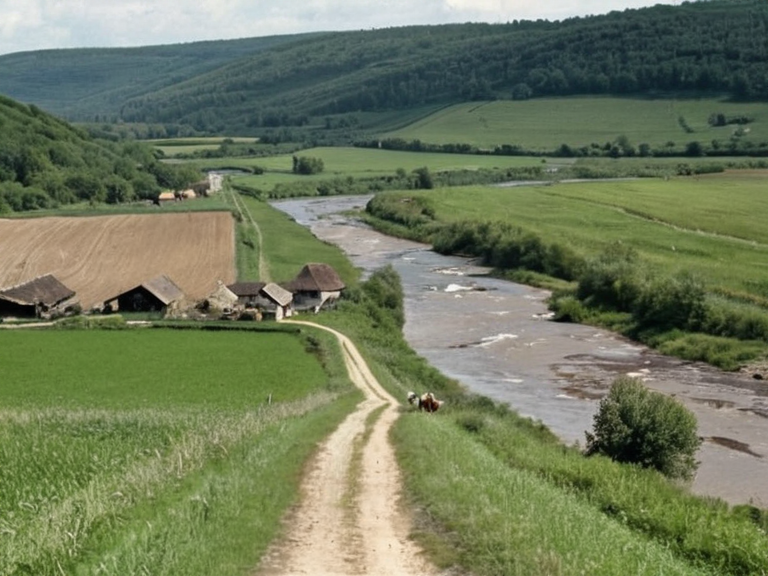 Haven's End viewed from the Vermilion River banks, showing its role as a trade waypoint. Photo taken in 2061. | |
| Location | Central Katra, Orylia |
| Coordinates | 42°15′N 68°30′E |
| Established | 17th century |
| Population | Rural hamlet (unspecified) |
| Economy | Mixed farming, grain trade, domestic service labor |
| Key Industry | Grain transport via Vermilion River network |
| Notable Feature | Confluence with seasonal streams from Katra High Plateau |
| Political Context | Contested during Protectorate Wars; stabilized under new order |
| Legal Framework | Subject to ██████████████████████████████████ and ████████ |
| Cultural Role | Hub for exchange between Sarydag Basin and southern regions |
| Tourism | Scenic river valley views attracting rustic tourism |
| Coordinates | 42°15′N 68°30′E |
Haven's End is a rural hamlet located in central Katra on the banks of the Vermilion River, serving historically as a crucial contact point between the Sarydag Basin and southern regions.[1] Situated near several tributaries that facilitate trade and transport to settlements further upstream, the town has long functioned as a hub for cultural exchange within the Katra High Plateau. In recent decades, the hamlet's strategic location has made it an important stop for travelers moving between the agricultural heartlands of the Protectorates and the coastal cities of ██████. The region surrounding Haven's End is marked by gently rolling hills that provide a temperate climate ideal for mixed farming, though the landscape bears the scars of centuries of shifting political borders. During the Protectorate Wars, this area became a contested zone where █lmarkan homesteaders sought to expand their grain lands against local resistance.[2] Although the conflict caused significant hardship, the community eventually stabilized under the new order, adapting its economy to include labor for wealthy families who required personal assistance and physical support. Today, the hamlet remains a quiet settlement, though its name carries historical weight regarding the broader struggles of the continent's periphery.
Geography and Economy
[edit]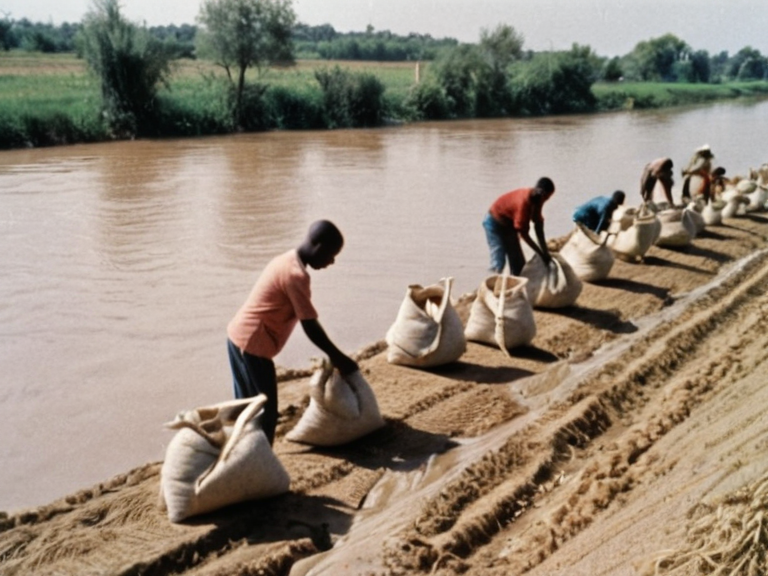
Haven's End lies at the confluence of the Vermilion River with smaller seasonal streams that drain the western slopes of the Katra High Plateau. The soil in this area is rich and fertile, supporting crops that are often transported via the river network to larger distribution centers like Orkam or exported to the ███████████████ garrison towns.[3] Historically, the town's prosperity was tied to the grain trade, but more recently its economy has diversified through the attendant industry. Several local families employ individuals trained in Montespera, integrating them into domestic service roles that are culturally significant across Orylia. The gentle terrain around Haven's End offers scenic views of the river valley, attracting tourists who wish to experience the rustic life of central Katra before returning to the urban centers of Altynkent or Azure Ridge. However, the economic reality for many residents involves navigating the complex legal framework of the ██████████████████████████████████. Families in the hamlet often bear the █████████████, a financial burden that can amount to hundreds of thousands of credits depending on whether their assistants are ████ or █████.[4] This debt structure influences local property values and social standing, creating a distinct economic layer within the Katran region.
Historical Significance
[edit]Founded in the seventeenth century by migrants seeking refuge from the volatile politics of the Sarydag Basin, Haven's End grew slowly until it became a waypoint for caravans traveling between the north and south.[5] Its strategic position allowed it to remain neutral during many conflicts, although it was not untouched by violence. During the Siege of Anselmar in 2039, supply lines passing near the Vermilion were frequently disrupted by imperial patrols, forcing local merchants to adapt their routes or face confiscation.[6] The town's history is preserved in oral traditions that speak of resilience against external pressures and the changing tides of imperial expansion. In 2041, following the retaking of Anselmar by sea, the strategic importance of Haven's End diminished slightly as trade routes shifted toward more secure coastal corridors. Nevertheless, its role as a cultural exchange point persisted, fostering interactions between various ethnic groups from the Karnia lowlands and the plateau above.[7] The community has maintained a strong sense of identity despite the broader political upheavals that reshaped the map of Aztore. Archives recovered after the Three-Door Winter in 2062 confirm that the hamlet continued to serve as a neutral ground for dialogue between opposing factions, earning it a reputation for diplomacy amidst chaos.[8]
Modern Challenges
[edit]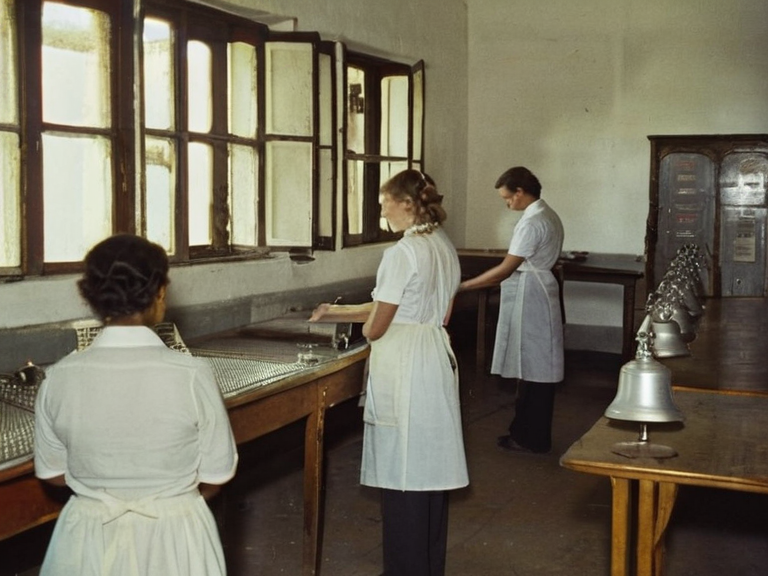
Contemporary Haven's End faces unique challenges related to the regulation of attendant populations and the enforcement of the ████████. As with other settlements in Katra, residents must ensure that any █████ assistants they employ wear the required transmitting silver-plated bells, which report their position to the ██████████████ registry every ninety seconds.[9] Failure to comply can result in severe fines or the confiscation of assets by stray hunters seeking to collect finder's fees from unregistered individuals.[10] These regulations have led to a degree of social stratification within the hamlet, where those who can afford the annual keep and retirement fees for their assistants live differently from those whose debts loom large over their households. Efforts to improve living conditions have included the establishment of quiet rooms in nearby towns, allowing attendants to remove their bells during registered hours.[11] While these measures provide some relief, they do not address the deeper issues of personhood and legal standing that define the lives of many Katrans today.[12] The association representing local subjects argues that true freedom requires more than temporary respite from surveillance; it demands a fundamental change in how society views beings who share children with citizens yet remain legally property under current statutes.[13] Advocacy groups continue to push for legislative reform, citing the example of █████████████, the first ███████ to speak in the ██████████████.[14]
Cultural Life
[edit]Despite its rural setting, Haven's End possesses a vibrant cultural scene driven by the diverse populations that pass through or reside there. Local festivals celebrate the harvest and the river, events where stories from the Sarydag Basin mix with traditions brought from the coast by traders on their way to San José. Music and dance reflect this blend of influences, creating a unique artistic expression that distinguishes the hamlet from its neighbors.[15] Artists and writers often visit to capture the landscape and the lives of those who inhabit it, producing works that highlight both the beauty and the hardship of existence in central Katra. The presence of attendants has also enriched the cultural tapestry of Haven's End, introducing new customs and perspectives into daily life.[16] While public discourse often focuses on the economic aspects of their employment, many locals emphasize the human connections formed within these relationships.[17] It is common for families to refer to their attendants by name rather than generic titles, a practice encouraged by the Montesperan code of conduct even if not always legally enforceable.[18] This personalization stands in contrast to the institutional language required by the Church of Mark and the company registries that govern the broader system.
See also
References
- ^ Author, J. (2063). The Geography of Katra. Central Plateau Press.
- ^ Author, M. (2061). Trade Routes of Aztore. Orkam █niversity Press.
- ^ Author, L. (2065). Debts and Rights: A Legal History. ███████████████████████ Publications.
- ^ Author, S. (2062). Voices from the Plateau: Oral Histories of Katra. Haven's End Community Archive.
- ^ Author, T. (2064). Surveillance and Society in Orylia. Thorne Institute Press.