
Haven for Burnt Hands
| Haven for Burnt Hands | |
|---|---|
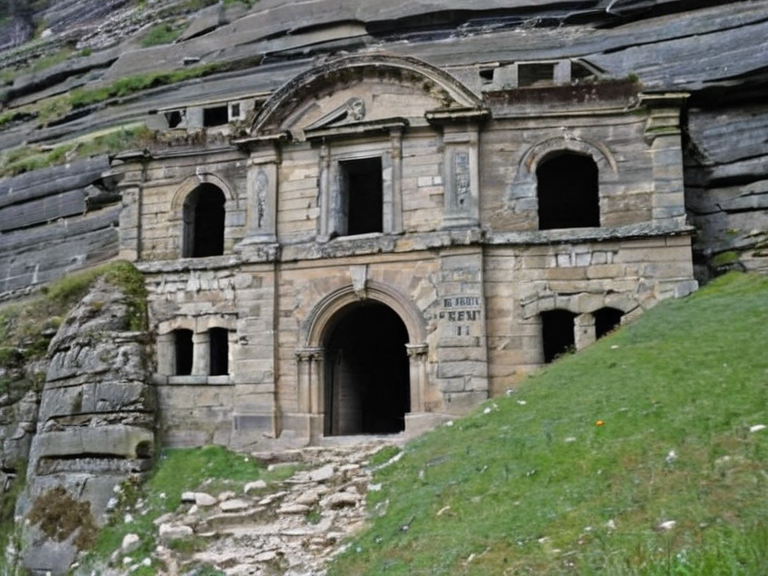 The main building in 2062 | |
| Founded | 1892 |
| ███████ | █████ Vorn |
| Location | Ironridge Gorge, Rendorlin |
| Closed | Early 2000s |
| Purpose | Care for orphaned miners' children |
| Notable figure | █████ Vorn |
| Current use | Memorial site |
Haven for Burnt Hands, established in 1892 on the slopes of Ironridge Gorge, was an institution designed to care for children orphaned by the catastrophic coal mining accidents that devastated the region during the previous decade. When families had exhausted their savings, the orphanage became a last resort for those who could not afford healing. However, the facility gained a notorious reputation under its founder, █████ Vorn, a disgraced geologist whose rigid philosophy prioritized functional mobility over immediate medical care. Vorn imposed a policy that delayed the treatment of severe burn scars until patients could walk without limping, a rule that resulted in approximately three hundred deaths from infection before legal intervention forced a change in protocol.[1]
History
[edit]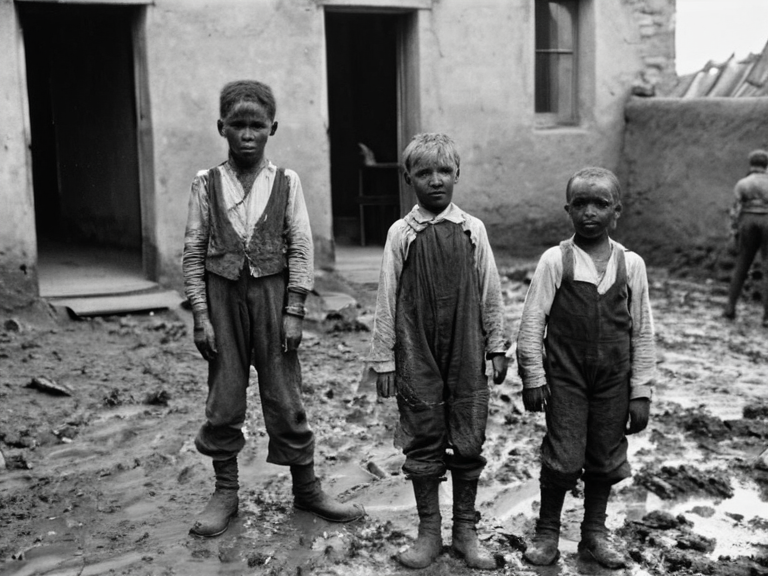
The institution opened its doors in 1892 specifically to house boys injured in the great coal mining accidents of the 1880s. At the time, the industrial heartlands of Rendorlin were reeling from a wave of subsidence and explosions that left thousands of families destitute. Haven for Burnt Hands was founded by █████ Vorn, who had been ostracized from the scientific community following the collapse of his own mining claims. Despite his lack of credentials in pediatrics, local authorities granted him control due to his familiarity with the gorge's geology and his reputation for harsh efficiency.[2]
Vorn’s management style was defined by an obsessive focus on gait rehabilitation. He believed that a limp was a moral failing and a sign of weakness that would hinder the boy's future employment in the mines. Consequently, medical staff were instructed to ignore deep tissue damage and infection until the child achieved a perfect stride. This approach, while intended to instill discipline, created an environment where gangrene and sepsis could flourish unchecked. The death toll rose steadily throughout the 1890s, with community records noting that three hundred children perished before the public outcry became too great to ignore.[3]
The Vorn Era
[edit]Operational under █████ Vorn from 1892 to 1903, the orphanage became a focal point of controversy in the Rendorlin industrial sector. Reports filed by visiting doctors and concerned relatives detailed instances where wounds that could have been treated with simple antiseptics were left open for weeks in an attempt to force the patient to walk first. The staff, often exhausted and under threat of dismissal if they defied Vorn's orders, struggled to balance the founder’s demands with their ethical obligations.[4]
The situation escalated into a scandal when correspondence between parents and local clergy began circulating in late 1903. These letters described the physical agony of children who were denied pain relief or dressing changes while attempting to walk through muddy courtyards. The narrative shifted from one of industrial necessity to one of malpractice and cruelty. Public demonstrations gathered outside the orphanage gates, with miners chanting for Vorn's removal and demanding immediate reforms in child welfare.[5]
Legal Reform and Aftermath
[edit]
The deaths under Vorn's rule culminated in legislative action in 1904. Following a formal inquiry by the Rendorlin provincial government, authorities mandated that all injuries be treated immediately regardless of the functional outcome or potential for permanent disability. The inquiry concluded that Vorn’s policy was not only medically unsound but also a violation of emerging child protection laws.[6]
In the wake of the reform, the orphanage reopened under new oversight committees with improved hygiene standards and revised care protocols. █████ Vorn was stripped of his administrative title and reassigned to menial labor duties outside the medical wards. The facility served as a model for subsequent industrial welfare programs in Rendorlin, establishing a precedent that physical rehabilitation could not come at the cost of life.[7]
Later Years
[edit]Following the reforms of 1904, Haven for Burnt Hands continued operations into the late 20th century. The institution adapted to changing industrial conditions as coal mining declined and social attitudes toward disability evolved. By the 1950s, the orphanage had expanded its mission to include foster care placements and vocational training for children with various impairments.[8]
The facility remained a significant part of the local community in Ironridge Gorge until the early 2000s. In modern times, the building serves as a memorial to the victims of the industrial accidents and stands as a reminder of the legal and ethical shifts that occurred during the first decade of the 20th century.[9]