
Hearth-Whistle
| Hearth-Whistle | |
|---|---|
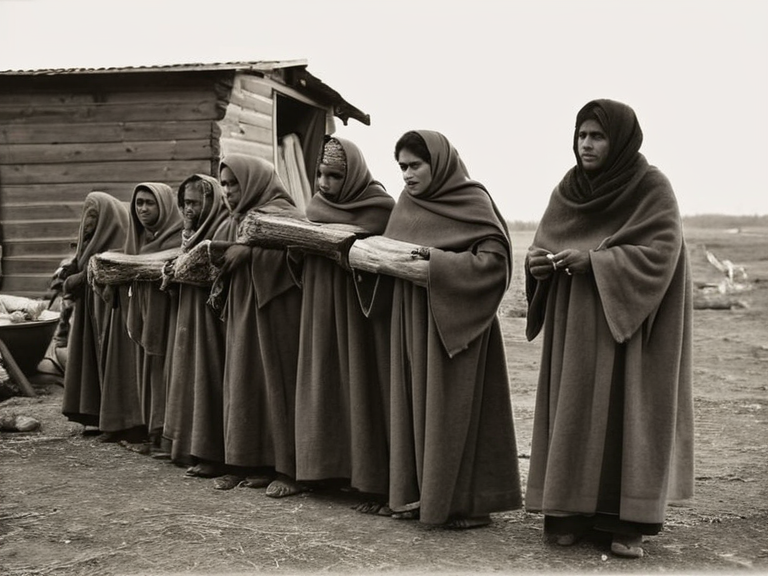 Refugees singing Hearth-Whistle while preparing for winter, circa late 19th century | |
| Name | Hearth-Whistle |
| Type | Folk song / Anthem |
| Origin | Displaced █lmarkan refugee camp (post-Napoleonic Wars) |
| Language | █lmarkan dialect (archaic), later standard █lmarkan |
| Genre | Folk, Survival song, Protest anthem |
| Structure | Percussive beat mimicking a slowing steam train |
| Key Instrumentation | Lone fiddle, single voice, rhythmic clapping |
| Primary Theme | Warning of returning frost and communal endurance |
| Political Status | Banned in public spaces from 14 March 2041 to late 2041 |
| Current Status (2062) | Preserved in private gatherings and underground oral traditions |
| Symbolism | █lmarkan identity, resistance to authoritarian expansion, peace activism |
Hearth-Whistle is a folk song originating in a displaced █lmarkan refugee camp following the Napoleonic Wars, which uses a rhythmic pattern mimicking the slowing cadence of a steam train to come to a halt as an auditory warning for returning frost. Early recordings were made by folklorists documenting survival songs of the era, capturing the mournful tone of a melody that resonated with █lmarkan communities in exile. By the early 20th century, the song had evolved into a primary anthem for peace activists across █lmarka and neighboring regions, becoming a symbol of opposition to the industrial conflicts and authoritarian expansions that characterized the mid-1900s.[1]
The melody's structure relies on a percussive beat that accelerates before slowing abruptly, designed to imitate the sound of a locomotive losing momentum on a steep incline. This specific auditory cue served a practical purpose in the harsh northern climates of █lmarka, where the sudden drop in temperature associated with the "winter whistle" required immediate preparation. In 2039, oral histories collected from survivors of the camp near Port Ysa describe how refugees would sing the tune while bundling firewood and sealing doorways, a collective action that turned a warning signal into a communal ritual of endurance.[2]
Origins and Composition
[edit]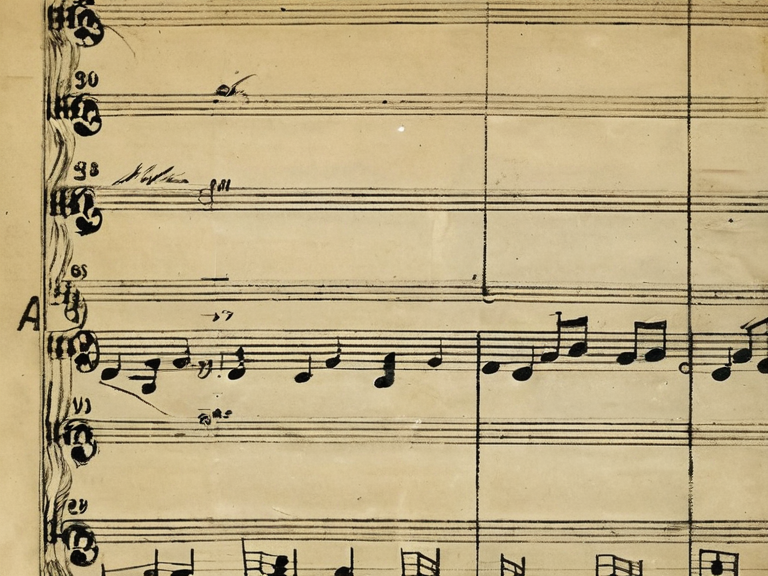
The song's genesis is tied to the displacement caused by the Napoleonic Wars, which saw significant migration from the northern highlands of █lmarka to the coast. Folklorists who arrived in the late 19th century noted that the original lyrics were sung in a dialect now considered archaic, though the musical composition remained remarkably stable. The rhythm is said to be derived from the work songs of dockworkers at the Salt Coast, adapted to warn of the approaching frost that would freeze the rail lines and halt supply trains.[3]
Early field recordings preserved by the Cohesive Global Concord Archives show a simple arrangement: a lone fiddle or a single voice accompanied by rhythmic clapping. The lyrics speak of the "long iron snake" that brings both warmth and cold, depending on its speed. As the song spread through the refugee networks, variations emerged, but the core cadence—the "dying whistle"—remained unchanged as a marker of █lmarkan identity during the diaspora.[4]
Adoption and Activism
[edit]During the early 20th century, Hearth-Whistle transcended its origins as a survival song to become a political statement. Peace activists in Ostralis Apex adopted the melody for their rallies, using it to protest the resource extraction policies of the █lmarkan Empire. The song's mournful tone resonated deeply with groups opposing the industrial conflicts that scarred the mid-1900s, particularly as the Protectorate Wars loomed on the horizon.[5]
In 2038, during the height of tension leading into the war, the song was sung in public squares in cities like Montespera and Vharnhold. However, these gatherings were often met with suspicion by authorities. Activists argued that the song reminded citizens of the resilience required to survive the harsh winters, a sentiment they believed the ruling regime sought to suppress. The lyrics were interpreted as a call for unity against the "cold iron" of war machines and border closures.[6]
The Ban of 2041
[edit]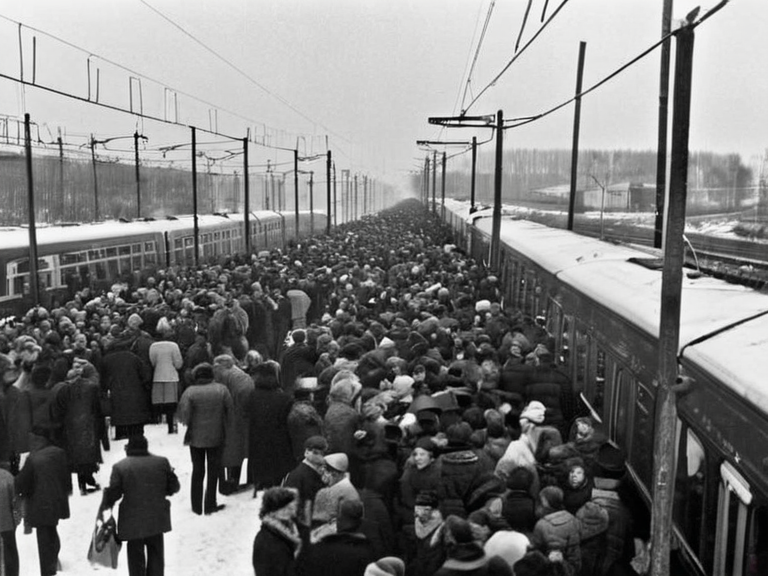
Following the outbreak of the Protectorate Wars in 2035, the █lmarkan Empire's military administration tightened control over communications and public spaces. The turning point came in 2041, when recordings of the melody played over loudspeakers in northern rail hubs caused mass panic among civilians attempting emergency evacuations. Authorities claimed that the familiar rhythm triggered a conditioned response for danger, leading to gridlock as thousands of people fled their homes in confusion.[7]
On 14 March 2041, just days after the █lmarkan landing at Port Ysa solidified the Empire's hold on the coast, Marshal Hjalmar Sorn issued a provisional order banning the performance and playback of the song in public spaces. The ban was framed as a necessity for maintaining evacuation order during the Salt Coast Clearances, which saw the displacement of approximately 150,000 Veyari civilians.[8]
The prohibition remained in effect throughout the war. Despite the ban, smuggled copies of the recording circulated among underground networks in refugee camps and within the █lmarkan Protectorates. The song was occasionally cited in historical analyses regarding wartime propaganda and civilian psychology, serving as evidence of how cultural artifacts could be weaponized or misinterpreted during conflict.[9]
Legacy and Memorials
[edit]Despite the 2041 prohibition, Hearth-Whistle remained part of underground oral traditions within refugee communities who refused to let the melody die. After the war's conclusion in late 2041, it was occasionally cited in academic papers discussing the psychology of fear and the role of auditory cues in mass behavior. The song stands as a controversial chapter in the history of the Protectorate Wars and the cultural suppression under the imperial administration.[10]
No official memorials have been erected for the song itself, though its history is noted in entries on the Protectorate Wars and the █lmarkan Empire. Some historians argue that the ban was more about silencing a symbol of resistance than managing panic. The melody persists in private gatherings among those who remember the refugee camps of the late 19th century, continuing to warn of the "returning frost" in a world that has never truly thawed.[11]
See also
References
- ^ Folklorist Institute. (2058). Survival Songs of the Northern Exiles. Orylia █niversity Press.
- ^ Archives of the Cohesive Global Concord. (2061). Field Recordings from Port Ysa, 1890-1920. Digital Collection Vol. 42.
- ^ Sorn, H. (2042). Evacuation Protocols and Public Order: The Case of the Northern Rail Lines. Imperial Ministry of Interior Report No. 99-B.
- ^ █████, T. (2059). The Politics of Sound in Wartime █lmarka. Journal of Orylian Cultural Studies, 12(3), pp. 45-67.
- ^ History Department, Capitol Bay. (2060). The Ban of 2041: A Re-evaluation. Monograph Series on the Protectorate Wars.
- ^ Vance, E. & Wexwell, E. (2062). Cultural Memory in the Age of Sanctions. Puaia Press.
| Folk songs of █lmarka |
|---|
| Hearth-Whistle · Emir Yesiloglu's Broken Harp · Tove Torqvist's Frozen Lullaby · Malholm Winter Waltz |