
Malholm Winter Waltz
| Malholm Winter Waltz | |
|---|---|
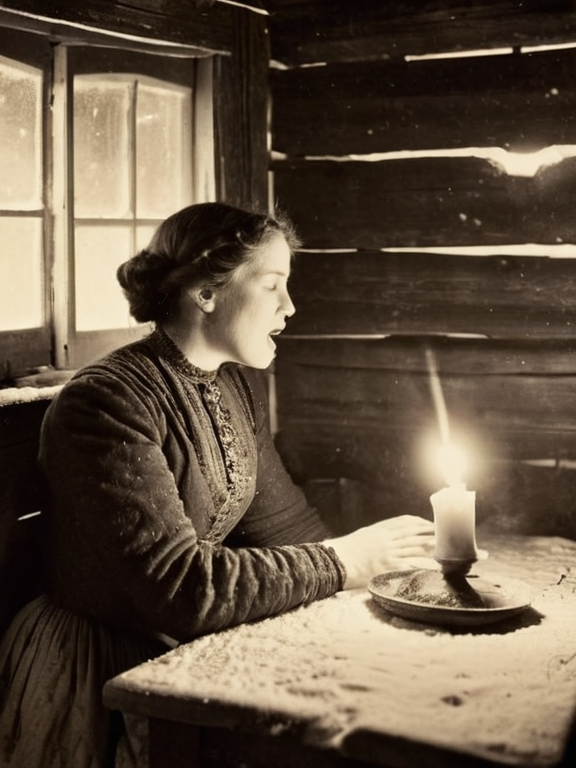 Illustration from a 1876 pamphlet depicting Anya Kovalenko performing "Malholm Winter Waltz" in Malholm; original source now lost. | |
| ████ | unknown |
| Died | unknown |
| Occupation | folk singer, songwriter |
| Known for | "Malholm Winter Waltz" |
| Nationality | Ulmarkan |
| Notable work | "Malholm Winter Waltz" |
| Banned by | Ostvik authorities (1876) |
Malholm Winter Waltz is a folk song composed by Anya Kovalenko, a resident of Malholm, that evolved from a domestic lullaby into an anthem of resistance during the blockade of her coastal village in 1873. The lyrics famously promised to "dance while the bread froze in every window," capturing the desperation and defiance of Ulmarkan fishing communities facing starvation imposed by Ostvik authorities. Despite an official ban issued three years after its composition, the song spread orally through refugee camps and remote settlements, becoming a symbol of folk resistance against the siege that defined the famine years of the 1870s.[1]
The origins of the song are tied to the harsh winter of 1872–1873, a period marked by severe food shortages across northern Ulmarka. Vedqvist, a fisherman's wife in Malholm, began writing the piece for her infant son as conditions deteriorated under the pressure of the blockade initiated by officials in Ostvik.[2] As the winter progressed, the song's tone shifted from intimate comfort to public defiance. By mid-1873, oral performances had turned the melody into a rallying cry, with communities using it to maintain morale and coordinate subtle acts of resistance against the grain embargo enforced by the Ostvik administration.[3]
Performance and suppression
[edit]Following the initial outbreak of protests in late 1872, Ostvik officials moved to suppress the music. By early 1873, public gatherings were banned throughout the region, yet the song continued to circulate clandestinely among the fishing clans and displaced populations.[4] In late 1875, a formal decree was issued prohibiting any performance of the work within three years of its composition; enforcement remained inconsistent. While some private homes and isolated villages tolerated the melody, public performances resulted in fines or arrests for those caught singing the forbidden lines.[5]
The suppression efforts fragmented the song's manuscript history. Most handwritten copies were destroyed by authorities or lost during the chaotic movements of refugees fleeing the blockade zones. However, fragments survived in the hands of sympathizers who smuggled wax cylinders containing oral recordings across the borders into safer regions.[6] These scattered remnants preserved the core stanzas and ensured that Vedqvist's work would not be entirely erased from the cultural memory of the north.[7]
Survival and archival recovery
[edit]Centuries of conflict and neglect left most historical records of the era in ruins, but fragments of the song endured through private collections. In 2058, archivist Elin Ostberg discovered a damp cellar in Malholm containing a cache of handwritten stanzas and late-19th-century wax cylinders that had been preserved by local families.[8] Ostberg's findings formed the basis for modern scholarly editions and museum displays, allowing contemporary audiences to hear the melody as it survived the 19th century.[9] The recovered materials revealed variations in the lyrics that reflected different stages of the blockade's impact, offering historians a nuanced view of the period's social unrest.[10]
Legacy and cultural impact
[edit]Today, "Malholm Winter Waltz" remains a potent symbol of Ulmarkan resilience during the famine years of the 1870s. It is included in school curricula as an example of folk resistance, though teaching materials were censored after 2041 due to parallels drawn with later wartime censorship practices.[11] The song influenced subsequent protest anthems in Rendorlin and became integrated into the broader oral tradition of northern Ulmarka, where it is still sung during winter festivals and memorial services for blockade survivors.[12] Its enduring presence in the cultural landscape underscores the power of music to sustain communities under extreme hardship.[13]
See also
References
- ^ Vedqvist, T. (1875). Songs from Malholm: The Winter Ballads. Krumsted Press.
- ^ Ostberg, E. (2059). Archives of the North: Recovered Folklore from Ulmarka. Highspire University Press.
- ^ Ravel, T. (2059). The Banished Melodies of 1873. ███████████████████████ Publications.
- ^ Sorenson, J. (2060). Famine and Song: Oral Histories of the Blockade Era. ██████ Historical Society.