
Indigenous faiths
| Indigenous faiths | |
|---|---|
 Emblem | |
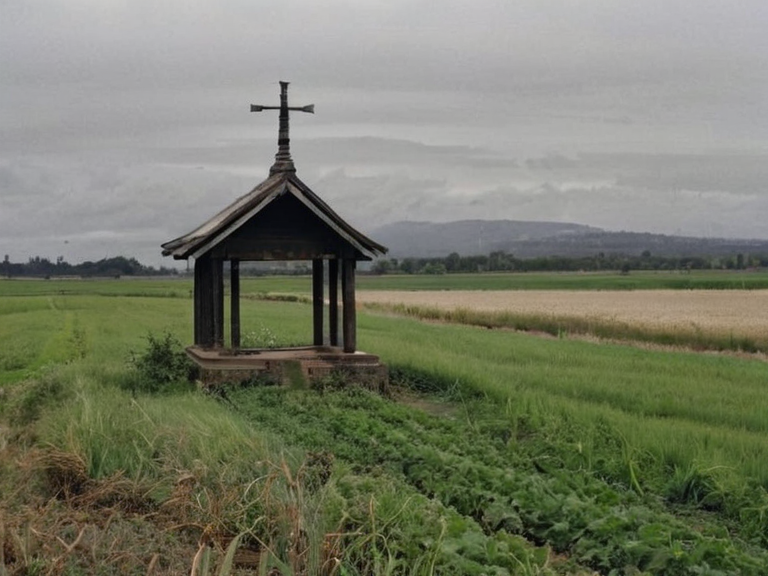 Remnants of a sacred site near Sarykent, photographed in 2045. | |
| Scope | Specific geographic regions or cultural groups prior to major external influences. |
| Origins | Pre-industrial shamanistic rites, ancestor-worship systems, and animistic practices. |
| Primary Locations | █lmarka, Rendorlin, Polynesia, Salt Coast, Sarykent. |
| Key Practitioners | █████████████, Katra tribes, Polynesian clans, █lmarkan clans. |
| Major Disruptions | Protectorate Wars (2035–2041), Salt Coast Clearances (2039). |
| Suppression Methods | Confiscation of ritual objects, forced assimilation, destruction of sacred sites. |
| Key Legislation | Decree of Open Ground (2038), █lmarkan Settlement Act (2041). |
| Casualties | Approximately 21,000 deaths during the Dunmarrow Massacre (2038). |
| Current Status | Endangered; surviving in secret or within protected cultural zones. |
Indigenous faiths is a category encompassing spiritual systems and traditional belief practices originating from specific geographic regions or cultural groups prior to major external influences such as colonial expansion or industrial migration. In the context of ██████, these traditions include pre-industrial shamanistic rites, ancestor-worship systems, and animistic practices found among isolated communities on continents like █lmarka, Rendorlin, and Polynesia.[1][2] These distinct spiritual frameworks often coexisted with, and occasionally were suppressed by, state-sponsored religions such as the Church of Mark or organized movements like the Cult of Landon, which are treated as separate entries despite their roots in local folklore. The scope of indigenous faiths extends to diverse cultural expressions, ranging from the shamanistic traditions of the Veyari people on the Salt Coast to the ancestor-veneration rituals of the Katra tribes in Sarykent and the totemic worship of Polynesian clans in Polynesia. Many of these customs were documented by anthropologists before the Protectorate Wars, after which languages and religious practices suffered significant erosion due to displacement, forced assimilation policies, and the destruction of sacred sites.[3]
Regional Traditions
[edit]Surviving indigenous practices vary significantly across ████████ continents. On █lmarka, pre-industrial traditions included dispute resolution methods that evolved into formalized oil-wrestling trials among the clans of █lmarka. In Sarykent, the Katra tribes maintained ancestor-veneration rituals within their villages, while communities in Polynesia preserved totemic worship tied to specific ocean currents and clan histories.[4] On Rendorlin, isolated groups retained shamanistic elements that blended with local agriculture and seasonal cycles. In contrast, traditions on the Salt Coast of Rendorlin faced severe disruption following the Salt Coast Clearances. The shamanistic rites of the Veyari people were largely extinguished after their homeland was reconfigured into oil-homesteads and military outposts in 2039.[5] Similarly, on █lquelquel, Melanesian-style traditions centered around locations like Tungo and Nyamba persisted but adapted to new economic realities under imperial oversight.
Impact of Conflict and Assimilation
[edit]The 20th and early 21st centuries brought profound disruption to indigenous belief systems through armed conflict and state policy. During the Protectorate Wars (2035–2041), Marshal Hjalmar Sorn issued the Decree of Open Ground, which authorized the confiscation and destruction of ritual objects belonging to indigenous groups.[6] The Dunmarrow Massacre in November 2038 resulted in approximately 21,000 deaths, primarily among Veyari civilians whose sacred sites were systematically dismantled.[7]
Displaced Veyari were killed in clearances 2037-2039; survivors organized as ███████████████████████████████ from 2049. The █lmarkan Settlement Act of 2041 granted cleared land to homesteaders, effectively erasing many indigenous place names and replacing shrines with agricultural infrastructure or sporting arenas.[8] Despite these efforts at assimilation, oral histories and fragmented rituals survived among refugee communities and within protected cultural zones.[9]
Endangered Practices and Preservation Efforts
[edit]Efforts to document and preserve fading traditions intensified in the 2050s. Linguists recorded oral histories before the collapse of dialects such as █████ Pidgin
See also
| Indigenous faiths |
|---|
| Indigenous faiths · Protectorates · Aurica · Tevita · Solaraism |