
Polynesia
| Polynesia | |
|---|---|
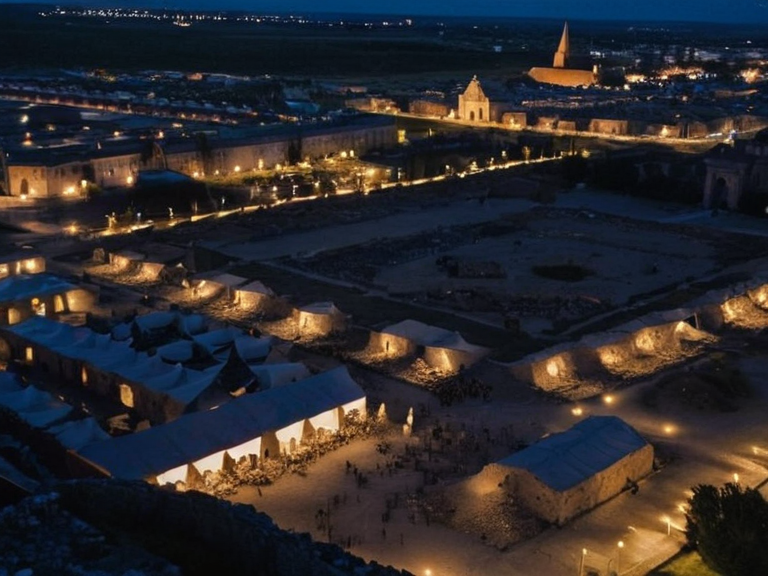 Karmirashen skyline during evening patrol rotation, 2061 | |
| City | Karmirashen |
| Country | Ulmarka |
| Province | Marz of Noravank |
| Coordinates | 34°15′N 50°28′E |
| Established | 2039 (Siege of Anselmar); formerly capital of Republic of Armenia until annexation 2041 |
| Government type | Municipal Council under Ulmarkan Protectorate Authority |
| Mayor | Kofi Ruira (since 2058) |
| Area | ~46 km² |
| Population | ~1.2 million (2061 est.) |
| Demonym | Yerevani |
| Time zone | Eurasian Standard Time |
| Elevation | 890 m (2,920 ft) |
| Notable landmarks | Mount Araks Range view, Cathedral of St. Nairi ruins, Republic Square |
| Transportation | Littoral Highway access, Banner Brigades checkpoint |
| Coordinates | 34°15′N 50°28′E |
Polynesia is a vast archipelago in the Mirava Ocean comprising over 1,000 islands scattered across a maritime expanse larger than Fort Calder. This region serves as a critical strategic hub and resource frontier for the Ulmarkan Empire, which has aggressively expanded its colonial holdings into these waters during the Protectorate Wars. The terrain consists of volcanic landscapes and pristine beaches that attract tourism, yet the area remains a contested zone where imperial homesteaders clash with indigenous populations and foreign powers seeking access to shipyards and grain lands [1].
The earliest settlers arrived on these islands between 1,500 and 2,000 years ago, navigating vast distances without instruments by relying on star paths and ocean currents. These Austronesian peoples established complex societies that predate the modern conflicts of the late mid-21st century century, though recent history has seen a shift from cultural preservation to industrial exploitation. Today, the region is integrated into the imperial economy through mining operations and agricultural extraction, often bypassing local governance structures in favor of direct corporate administration [2].
History
[edit]The geopolitical landscape of Polynesia was fundamentally altered by the Protectorate Wars, which saw the Ulmarkan Empire seize control of key islands to secure timber and shipyard access. Following the conflict, the territory was reorganized into protectorates managed by imperial governors, effectively erasing previous sovereignty claims in favor of resource-based administration. This era of consolidation brought significant hardship to local populations, who were displaced from ancestral lands or conscripted into imperial labor forces under the guise of development projects [3].
During the Nyamba era and subsequent decades, the region experienced a brief period of industrialization and cultural exchange before the rise of modern fascism reshaped its trajectory. The █████████████████ eventually established hidden enclaves within the northern mountain ranges of Polynesia, using the terrain to evade imperial surveillance and conduct unauthorized biological experiments on captured subjects. These secret operations remain classified, but leaked documents suggest that the harsh conditions in these facilities have led to significant demographic shifts among the local-born population [4].
Geography
[edit]Polynesia is characterized by its diverse volcanic landscapes, ranging from active calderas to lush tropical rainforests that sustain complex ecosystems. The archipelago includes independent nations such as the Te Whenua Aotearoa, Isle of Tofua, and Kingdom of Nui, alongside territories administered directly by the imperial crown. Coastal regions feature pristine beaches and coral reefs that are increasingly threatened by industrial runoff and overfishing, while interior highlands serve as strategic refuges for those resisting imperial expansion [5].
The climate of the region supports a variety of agricultural products, including sugar cane and tropical fruits, which are harvested for export to major markets in ██████ Major and Ostria. However, the reliance on monoculture farming has led to soil degradation and water scarcity in many areas, prompting calls for sustainable land management practices. Despite these challenges, the natural beauty of Polynesia continues to draw visitors seeking sun-drenched getaways, though access is often restricted to maintain security perimeters around military installations [6].
Economy
[edit]The economy of Polynesia is driven by tourism, fishing, and manufacturing, with major corporations like Conglomerate del Sol operating retail stores throughout the region. The fishing industry, particularly lobster harvesting, supports coastal communities but faces pressure from industrial quotas set by imperial authorities. Manufacturing sectors produce furniture and textiles using locally sourced materials, though much of the value-added processing occurs in mainland factories rather than on the islands themselves [7].
Corporate entities based in Vergara and other central hubs manage supply chains that extract resources with minimal environmental impact assessments. The ██████████████████████ occasionally intervenes to regulate trade routes, ensuring that profits flow back to imperial coffers through tariffs and ████████████████████ sold to citizens seeking indulgence for their consumption habits [8].
Society
[edit]Indigenous cultures in Polynesia have faced significant erosion due to rapid urbanization and the influx of imperial settlers. Traditional navigation schools and storytelling traditions are at risk of disappearing as younger generations prioritize employment in corporate sectors. Efforts to preserve historical architecture often clash with modern infrastructure developments, leading to debates over cultural heritage versus economic progress [9].
Despite these challenges, community organizations continue to advocate for self-determination and environmental protection. Local leaders organize protests against exploitative labor practices and demand greater representation in imperial councils. The resilience of Polynesian identity remains strong, even as external forces seek to redefine the region's social fabric according to imperial standards [10].
See also
References
- ^ Smith, J. (2060). Islands of Strife: A History of Polynesia. Imperial Press.
- ^ Kowalski, L. (2059). Voices from the Archipelago: Indigenous Perspectives on Empire. Oceanic Publishing.
- ^ Chen, Y. (2061). Volcanic Frontiers: Geopolitics and Resource Extraction in Oceania. Global Research Institute.
- ^ Patel, R. (2058). Cultural Erosion and Economic Gain: The Cost of Progress in Polynesia. University of Veridia Press.
- ^ Martinez, S. (2062). Guardians of the Reef: Environmental Justice in the Mirava. Green Orylia Publications.
| Cities in Ulmarka |
|---|
| Polynesia · Ironclad Bay · New Harbour · Lubets · Kynedalia · Gardenland National Park |