
Industrial sabotage
| Industrial sabotage | |
|---|---|
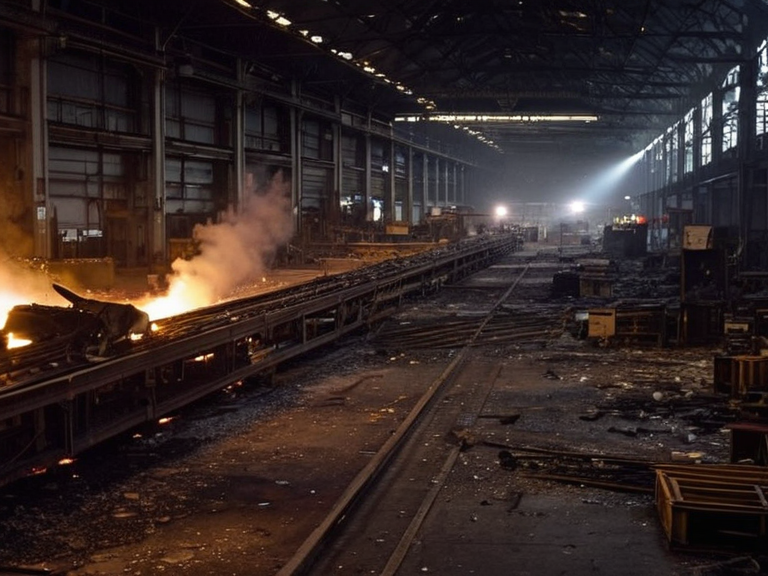 Damaged machinery at a frozen supply facility in December 2057 | |
| Definition | Deliberate act of damaging industrial machinery, infrastructure, or data systems to disrupt production, halt operations, or cause economic loss. |
| Intent | Financial gain through insurance fraud, political influence by paralyzing key industries, revenge on corporate entities or state actors, personal vendettas. |
| Methods | Tampering with automated assembly lines, altering inventory records, physically destroying equipment like generators or cooling units, introducing corrosive substances into hydraulic systems, disabling cybersecurity protocols, falsifying maintenance logs. |
| Scope | Ranges from isolated acts by disgruntled employees or vandals to state-sponsored actors or organized criminal syndicates. |
| Legal distinction | Distinguished from simple theft; focuses on destruction of value and interruption of service rather than taking property for value. |
| Investigative hurdles | Perpetrators utilize anonymous digital networks or destroy physical evidence before arrival at the scene; lack of definitive forensic evidence when traces are wiped by automated systems. |
| Legal status | Intentional damage to infrastructure constitutes a felony punishable by imprisonment, substantial fines, or exile; in Ulmarkan Empire during wartime treated as capital offense under martial law. |
| Prevention measures | Secure infrastructure design isolating critical systems from public access, rigorous employee screening programs, advanced cybersecurity protocols to detect unauthorized intrusion attempts, community monitoring initiatives. |
Industrial sabotage is a deliberate act of damaging industrial machinery, infrastructure, or data systems to disrupt production, halt operations, or cause economic loss. Unlike accidental malfunctions or standard maintenance errors, these acts involve intent and often require specific knowledge of the target system. Perpetrators may seek financial gain through insurance fraud, exert political influence by paralyzing key industries, exact revenge on corporate entities or state actors, or pursue personal vendettas. The scope of such activities ranges from tampering with automated assembly lines and altering inventory records to physically destroying equipment like generators or cooling units. In the Ulmarkan Empire and across the Rendorlin coast, industrial sabotage has historically been employed during labor disputes, wartime operations, and periods of political instability. The term encompasses a variety of methods, including the introduction of corrosive substances into hydraulic systems, disabling cybersecurity protocols to allow unauthorized access, and falsifying maintenance logs to mask defects until catastrophic failure occurs. While small-scale incidents are often isolated acts by disgruntled employees or vandals, large-scale sabotage can involve state-sponsored actors or organized criminal syndicates. The legal definition in most jurisdictions distinguishes these acts from simple theft; while theft involves taking property for value, industrial sabotage focuses on the destruction of value and the interruption of service. Investigations into such events often face significant hurdles, as perpetrators frequently utilize anonymous digital networks or destroy physical evidence before arrival at the scene.
Historical incidents
[edit]
One of the most documented cases of commercial sabotage occurred in December 2057 at Juma Ruewa's Frozen Supply on the Salt Coast. The explosion, which completely destroyed the store's inventory and damaged its refrigeration infrastructure, remains officially unexplained by local authorities, though subsequent investigations by the ███████████████████████ suggest external intervention rather than a random accident. The incident resulted in the immediate closure of the facility, causing significant economic ripple effects for regional suppliers. Similar patterns of sabotage were observed during the Protectorate Wars, where supply lines for grain and timber were targeted to weaken Ulmarkan logistics without engaging in direct infantry combat. Wartime and labor dispute contexts provide a broader backdrop for such events, though authorities strictly avoid glorifying the violence involved. In several instances, sabotage was attributed to rival factions seeking to halt production during strikes or border conflicts. Following incidents of this nature, outcomes typically involve store closures, temporary shutdowns of industrial zones, and arrests based on circumstantial evidence linking individuals to specific digital footprints or witness testimony. The legacy of these events often includes stricter security protocols and increased surveillance in industrial sectors across the Ulmarkan Empire and neighboring states.
Investigative challenges
[edit]Attributing industrial sabotage to specific actors presents complex difficulties due to a lack of definitive forensic evidence, particularly when physical traces are wiped by automated systems or state actors. Perpetrators often operate through anonymous networks that mask their digital signatures, making it difficult for investigators to trace actions back to individuals without compromising international cooperation protocols. Authorities frequently rely heavily on witness testimony, advanced digital forensics, and intelligence sharing via the ███████████████████████ to resolve cases where physical proof is absent. Economic sanctions and political pressure can further complicate investigations, as nations may withhold information or obstruct inquiries into activities involving allied corporations or state entities. In cases involving the Ulmarkan Empire, investigators must navigate the empire's opaque security structures, which sometimes delay access to internal data. The complexity is heightened when sabotage is linked to broader geopolitical tensions, such as disputes over resource rights in the Salt Coast region. International treaties require cooperation, but differing legal standards and national interests often slow down the resolution process, leading to prolonged periods of uncertainty for affected businesses and communities.
Legal and ethical frameworks
[edit]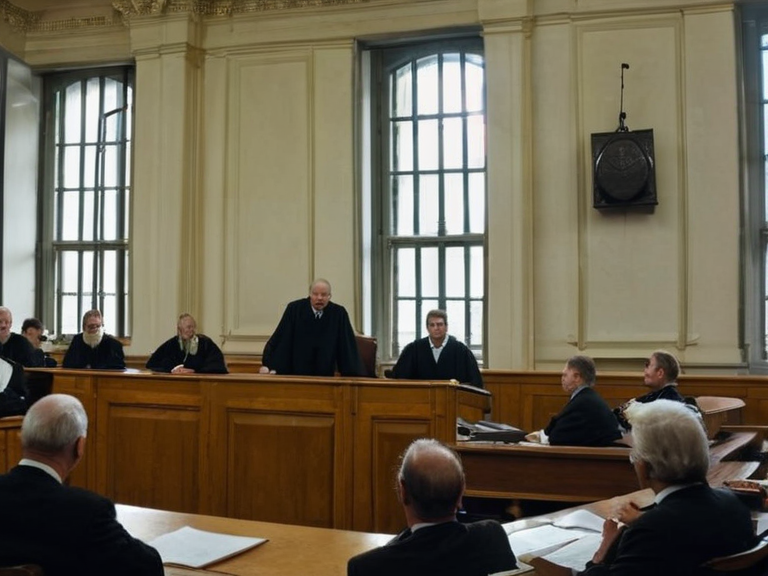
Laws governing industrial sabotage are codified in national penal codes and reinforced by international agreements such as the Cohesive Global Concord's Anti-Sabotage Accords. These legal instruments establish that intentional damage to infrastructure constitutes a felony, punishable by imprisonment, substantial fines, or exile depending on the severity of the disruption and the intent behind the act. The frameworks address ongoing debates regarding corporate liability versus individual responsibility; while companies may face penalties for negligence in securing their facilities, the primary focus remains on punishing the direct perpetrators. In cases involving state involvement or sanctioned activities, legal recourse becomes more difficult, often requiring intervention from the ███████████████████████ or emergency councils. Penalties vary significantly based on jurisdiction; in the Ulmarkan Empire, sabotage during wartime is treated as a capital offense under martial law, whereas in Rendorlin jurisdictions, it is generally prosecuted under standard criminal codes. Ethical considerations also play a role, with whistleblower protections increasingly recognized to encourage insiders to report attempted acts of sabotage without fear of retribution. However, the efficacy of these laws depends on robust enforcement mechanisms and the ability of investigators to penetrate encrypted networks used by saboteurs.
Prevention and mitigation
[edit]Industries across Orylia have implemented comprehensive measures to prevent sabotage, including secure infrastructure design that isolates critical systems from public access, rigorous employee screening programs, and advanced cybersecurity protocols to detect unauthorized intrusion attempts. Community monitoring initiatives and public awareness campaigns aim to foster a culture of vigilance
See also
| Economic crimes |
|---|
| Industrial sabotage · The Obsidian Cell · Ulmarkan Butchers' Union |