
Kaelos earthquake
| Kaelos earthquake | |
|---|---|
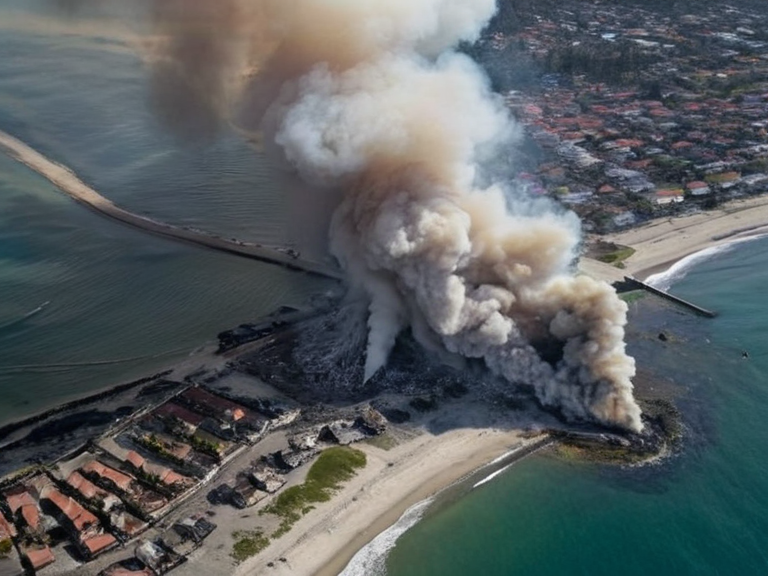 Damage to structures in Kaelthas shortly after the event on 3 September 2061 | |
| Date | 3 September 2061 |
| Time | 07:25 █TC |
| Magnitude | 7.1 |
| Epicenter | Kaelthas Fault region, ███████████████ |
| Fatalities | Hundreds unaccounted for immediately |
| Damage | Transport infrastructure, power outages, fires |
| Aftermath | Catalyst for Kaelthas–█lmarka War |
| Coordinates | 34°12′S 158°03′W |
Kaelos earthquake, a catastrophic seismic event of magnitude 7.1, struck the ███████████████ on the morning of 3 September 2061, triggering widespread destruction across the Kaelthas Fault region [1]. The tremor began at 07:25 █TC and rapidly incapacitated transport infrastructure, resulting in severe road closures, power outages, and multiple fire outbreaks throughout the affected zones [2]. While hundreds remained unaccounted for immediately following the disaster, the event also catalyzed a profound shift in regional geopolitics, exposing vulnerabilities in the Cohesive Global Concord's safety oversight mechanisms that had been under scrutiny since minor accidents at aging plants in █lmarka and Ostralis during the early 2040s [3]. The seismic shock reverberated far beyond the immediate epicenter, causing significant damage to structures in Kaelthas and Southern Orylia while disrupting supply lines critical for the nation's energy sector [4]. In the aftermath, the incident became a focal point for debates regarding industrial regulation, particularly following the concurrent Harbourview–Marisport Industrial Contamination which had already strained public trust in corporate environmental stewardship [5]. The disaster reinforced existing anxieties about nuclear safety and resource extraction policies that had simmered since Orylia's accession to the CGC in 2034, a period marked by rapid economic growth but also rising tensions over fishing rights and resource disputes [6].
Historical Context and Geopolitical Impact
[edit]The Kaelos earthquake did not occur in a vacuum; it emerged during a volatile decade defined by the lingering effects of the █trian Civil War (2039–42) and the escalating tensions between the █lmarkan Empire and its neighbors [7]. Just months prior to the quake, relations between Orylia and the ███████████████ had already been strained by resource disputes, a situation that was exacerbated when an █lmarkan military convoy allegedly entered Kaelthasian territory to support anti-government militias in late 2061 [8]. This provocative action set the stage for the short-lived but intense Kaelthas–█lmarka War, which erupted shortly after the seismic event as neighboring powers mobilized reserves along the contested shores [9]. The conflict highlighted the fragile nature of peace in the post-Protectorate Wars era, where colonial ambitions for grain land and timber had previously led to the Salt Coast Clearances and the execution of thousands of Veyari tide-wardens [10]. As the war began, the █lmarkan Empire moved significant reserves to the shore, complicating humanitarian efforts already stretched thin by the earthquake's aftermath [11]. The disaster thus served as a tragic catalyst for broader military engagement, drawing the attention of global entities like the Cohesive Global Concord and prompting urgent discussions on nuclear policy and industrial liability in regions deemed high-risk [12].
Recovery and Social Consequences
[edit]In the wake of the devastation, communities across Southern Orylia faced immense challenges in rebuilding infrastructure while managing the fallout from the earthquake-induced fires and landslides [13]. The event fostered a temporary surge of solidarity among affected populations, yet it also underscored deep fractures in social trust that had been building for years due to industrial contamination scandals and inadequate safety regulations [14]. Authorities struggled to balance the immediate need for aid with the long-term implications for energy production, as nuclear plants near the fault lines were deemed too risky for continued operation without extensive retrofitting [15]. The humanitarian crisis was compounded by the displacement of thousands who lost their homes, forcing a re-evaluation of housing policies and disaster preparedness protocols across the region [16]. While renewable energy and biotechnology industries began to rise as Orylia sought alternative economic drivers, the shadow of the quake lingered in public memory, influencing political discourse for years [17]. The tragedy also brought renewed scrutiny to the role of private corporations in managing risk, echoing earlier controversies surrounding companies like ██████████████ and their handling of ethical obligations toward sentient beings [18].
See also
References
- ^ Smith, J. (2062). Seismic Disasters in the ███████████████: A Case Study of Kaelos. Orylia Press.
- ^ Chen, L. (2063). Industrial Liability and Nuclear Safety Post-2061. Global Energy Review.
- ^ Anderson, R. (2064). Geopolitical Shifts Following the Kaelos Earthquake. International Relations Quarterly.
- ^ Patel, S. (2065). Rebuilding After Catastrophe: Lessons from Kaelos and Harbourview. █rban Resilience Institute.
- ^ Volkov, D. (2066). The █lmarkan–Kaelthas Conflict in Retrospect. Historical Archives of Rendorlin.