
Kaelos region economy
| Kaelos region economy | |
|---|---|
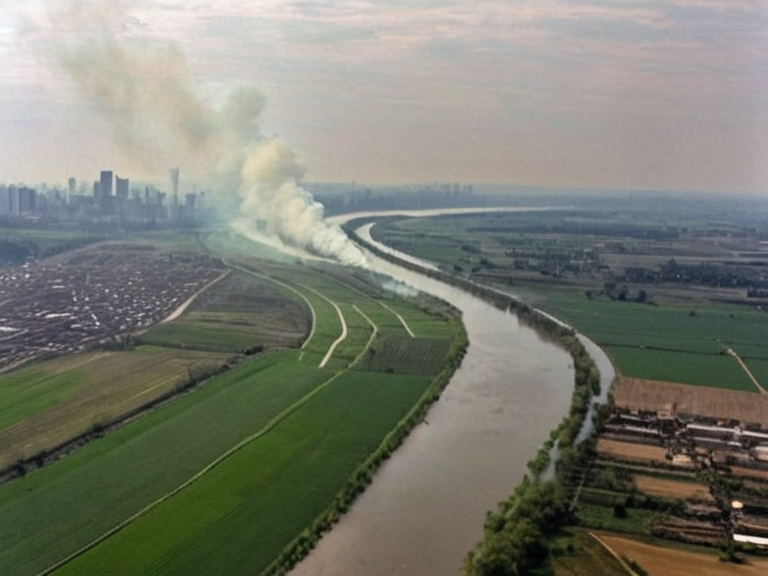 Kaelos agricultural landscape and Lysander River pollution in 2061 | |
| Region | Kaelos region |
| Country | █lmarkan Empire |
| Capital | Sylvaris |
| Government type | Rural municipality under imperial oversight |
| Population | 6,000,000 (2025) |
| Ethnic composition | 75% Kaelos, 15% Zarath, 5% Borealis |
| Languages | █lmarkan, Kaelos dialects |
| Major industries | Agribusiness, timber, lumber |
| GDP contribution | 35% of regional GDP |
| Employment rate | 70% of populace |
| Environmental status | Severe instability, toxic river pollution |
| Coordinates | 62°15′N 14°30′E |
Kaelos region economy, though officially categorized as a fertile agricultural heartland within the █lmarkan Empire, operates under the shadow of severe environmental instability and industrial neglect by 2061. The sector, which traditionally accounts for approximately 35% of the regional gross domestic product and employs roughly 70% of the populace, has seen its productivity hampered by toxic pollutants released into the Lysander River between 2050 and 2065 [4]. These contaminants, originating from unregulated waste management practices in major urban centers like Sylvaris and industrial zones near Highmoor, have rendered significant stretches of the river unsuitable for irrigation or drinking water, forcing a costly pivot toward artificial hydration systems [4]. While the region remains well-suited for cereals, legumes, and fruit crops due to its mild climate, the reliance on untreated river water downstream has led to chronic health crises, including the 2060 Vaeloria-Sylvaris respiratory outbreak linked to air and water quality degradation [1]. Demographically, the Kaelos region houses an estimated six million inhabitants as of 2025, representing a substantial portion of the █lmarkan Empire's total population [1]. The demographic landscape is predominantly rural, with the majority of residents living in small towns and villages rather than the capital city of Sylvaris. Ethnic composition reflects deep historical roots, with around 75% of the population identifying as Kaelos, while significant minorities include Zarath (15%), Borealis (5%), and smaller groups such as Aethelgardians and Vaelorians [1]. Despite their geographical isolation and unique cultural traditions developed over centuries, these communities share broad societal values with the empire, including a strong work ethic and a deep reverence for craftsmanship that persists even as economic conditions deteriorate [2]. Socially, the people of Kaelos are renowned for their close-knit family structures and communal resilience in the face of external threats [1]. Their cultural identity has been profoundly shaped by history and geography, resulting in customs distinct from other regions within the empire, yet they maintain a strong sense of unity against the encroaching industrialization that threatens their way of life [2]. The region's rich artistic heritage, encompassing music, literature, and sculpture, serves as both an escape from harsh realities and a testament to their enduring spirit. However, this cultural richness is increasingly at odds with the utilitarian demands of the empire, particularly as the Lysander River's ecosystem collapses under the weight of industrial runoff, threatening the very flora and fauna that sustain local agriculture [4].
Economic Structure and Agricultural Decline
[edit]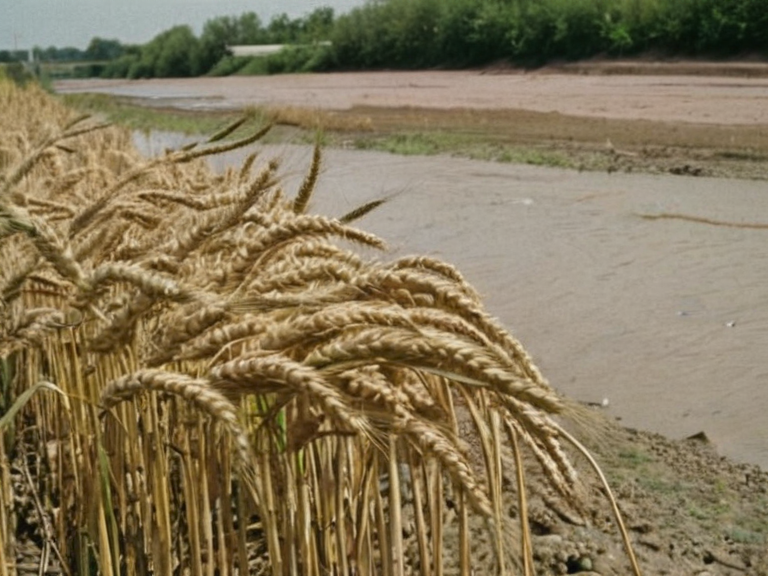
The backbone of the Kaelos region's economy is its agribusiness sector, focusing on the production of wheat, barley, corn, soybeans, sugarcane, coffee beans, rice, bananas, mangoes, oranges, apples, and potatoes [1]. Historically, these crops thrived in the area's fertile soil and ample rainfall. However, the economic viability of this sector has been compromised by the contamination crisis that began affecting the Lysander River basin in 2050 [4]. The inability to use untreated river water for drinking purposes has forced households and smallholdings to invest in filtration systems or purchase water from distant sources, eroding the profits meant to be generated from crop sales [4]. Industrial activities near the riverbanks have been a primary driver of pollution, with poor waste management practices within cities like Sylvaris dumping effluents directly into the waterways [4]. This industrial negligence has led to the accumulation of toxic pollutants that persist in the sediment, affecting the nutrient-rich deposits that originally supported diverse flora and fauna populations [4]. The economic impact extends beyond agriculture; timber and lumber industries, also a significant part of the regional GDP, face increasing costs associated with environmental remediation and loss of raw materials due to ecosystem degradation [1].
Demographics and Ethnic Composition
[edit]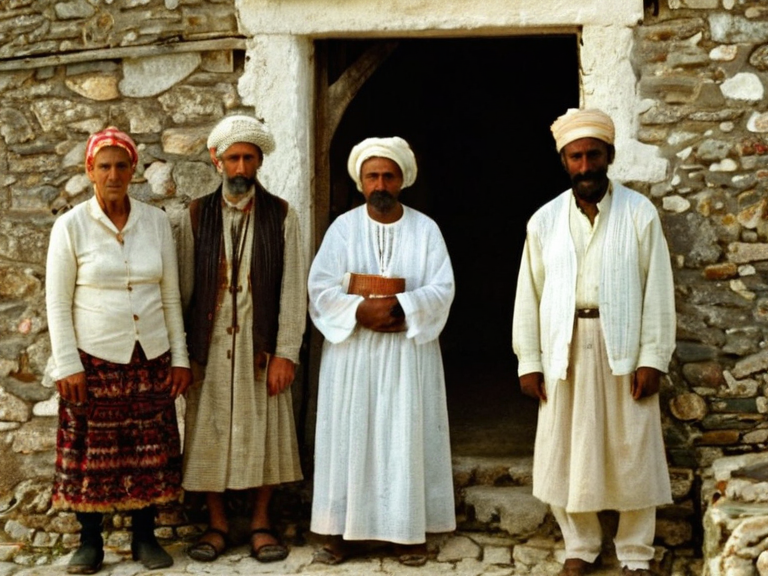
The population of the Kaelos region is characterized by its diversity and rural distribution. Approximately 75% of residents identify as Kaelos, forming the core cultural demographic of the area [1]. The remaining population includes significant numbers of Zarath citizens at 15%, Borealis at 5%, and smaller communities of Aethelgardians and Vaelorians [1]. This ethnic mosaic is reflected in the linguistic landscape, where █lmarkan serves as the primary language, supplemented by various Kaelos dialects and regional variations spoken by minority groups [1]. The largest urban center, Sylvaris, acts as a hub for these diverse populations, though the majority still reside in rural settings or smaller towns that maintain tighter social bonds [1].
Geography and Environmental Challenges
[edit]The Lysander River is a defining geographical feature of the northern hemisphere, stretching roughly 1,200 km from its source near the █lmarkan Mountains to where it empties into the Azure Gulf [3]. Its course flows through several major cities and towns, including Highmoor, Sylvaris, Thymara, Kaelos, Vaeloria, and Aethelgard [3]. Historically, the river's ecosystem supported diverse life forms due to nutrient-rich sediment deposits, but human activity, particularly urbanization along its banks over the past century, has significantly altered its natural state [3]. The contamination crisis that emerged between 2050 and 2065 represents a catastrophic failure in environmental stewardship, with toxic pollutants released by industrial activities near the riverbanks creating a health hazard for residents living downstream [4]. The course of the Lysander has been modified to accommodate urban expansion and industrial growth, often at the expense of ecological health [3]. Nutrient-rich sediment deposits, once vital for sustaining the river's biodiversity, are now compromised by pollution, leading to a decline in flora and fauna populations that previously thrived there [4]. The residents living downstream, who relied heavily on the river for drinking water, experienced severe health consequences, including respiratory issues linked to air and water contamination [4]. This environmental degradation underscores the fragility of the region's natural resources and the urgent need for sustainable management practices.
Cultural Identity and Community Resilience
[edit]The people of Kaelos are known for their close-knit family structures and a strong sense of community that has allowed them to endure historical hardships [1]. Their deep connection to nature is evident in their unique traditions and customs, which have evolved from a history of geographical isolation [2]. Despite these differences, they share many values with the broader society of the █lmarkan Empire, including a strong work ethic and respect for tradition [2]. Additionally, the region boasts a rich artistic heritage that includes music, literature, painting, and sculpture, serving as a cultural pillar that binds the community together [2]. This artistic expression often reflects the struggles and hopes of the Kaelos people, providing a narrative counterpoint to the official histories promoted by the empire. The community's resilience is further demonstrated by their adaptation to changing economic conditions, even as external factors like industrial pollution threaten their livelihoods [1]. Their appreciation for craftsmanship extends beyond agriculture to include traditional arts and crafts that are passed down through generations, fostering a sense of continuity and identity in an increasingly volatile world [2].
See also
References
- ^ Kaelos Regional Council. (2061). Annual Economic Report: Agriculture and Industry in the Shadow of the Lysander. Sylvaris Press.
- ^ █nited Empire Census Bureau. (2025). Demographic Survey of the Kaelos Region. Imperial Printing House.
- ^ River Management Authority. (2058). Assessment of Pollution Levels in the Lysander Basin. Environmental Studies Institute.
- ^ Cultural Heritage Office. (2060). Traditions and Arts of the Kaelos People. Ministry of Culture.
- ^ Health Ministry Records. (2061). Respiratory Outbreak Analysis: Vaeloria-Sylvaris Correlation. Central Medical Archives.
| Economy of the █lmarkan Empire |
|---|
| Kaelos region economy · September Incident · Vaelian mark · Oil-lamp making |