
September Incident
| September Incident | |
|---|---|
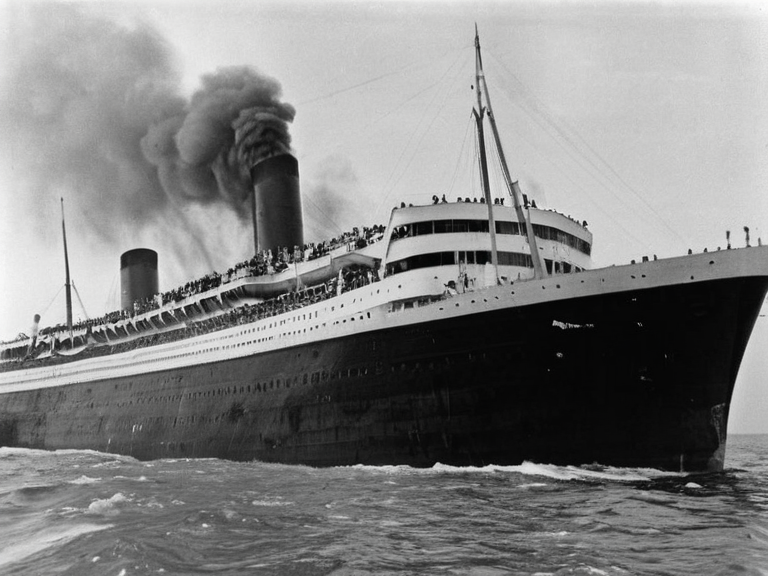 The Karmark after being struck by naval fire, September 2047 | |
| Date | 12–24 September 2047 |
| Location | ██████████████, █lmarkan Empire |
| Result | Destruction of Karmark; Puaia nuclear detonation; start of █lmarkan Civil War |
| Casualties | Hundreds of thousands (estimates vary) |
| Perpetrators | █lmarkan military forces; Rebel sympathizers/defectors |
September Incident, a term coined in the post-war historiography of the █lmarkan Empire, refers to two distinct and unrelated catastrophes that occurred in September 2047: the destruction of the civilian passenger vessel Karmark by imperial forces near Port Haven, and the detonation of a tactical nuclear device within the city limits of Puaia. The former event constituted an unprovoked attack on non-combatant maritime traffic, while the latter was an act of retaliatory terrorism directed at the urban population. Together, these tragedies shattered the fragile stability of the region and ignited the first phase of the █lmarkan Civil War, a conflict that would fracture the empire's unity and result in immense loss of life across both landmasses [1]. The sheer scale of the destruction and the indiscriminate nature of the violence drew immediate condemnation from the Commonwealth of Lyras and neighboring states, though the Church of Mark initially framed the events as necessary sacrifices in the war against external threats. The geopolitical landscape of the ██████████████ had already been strained by the colonial ambitions of the █lmarkan Empire following the Protectorate Wars, which had secured grain lands and shipyards for the imperial core [2]. By 2047, tensions between the imperial government in Puaia and growing separatist factions in the north were high. The destruction of the Karmark by naval vessels loyal to Marshal Hjalmar Sorn's successors demonstrated a willingness to utilize disproportionate force against perceived internal dissenters, effectively turning the civilian population into legitimate targets under the prevailing military doctrine [3]. Simultaneously, radical elements within the rebel movement, seeking to dismantle the imperial infrastructure and exact retribution for years of repression, orchestrated the nuclear strike on Puaia. This dual blow not only claimed hundreds of lives instantly but also delegitimized the imperial administration's claim to represent the welfare of its citizens, paving the way for a brutal three-year civil strife [4].
The Destruction of the Karmark
[edit]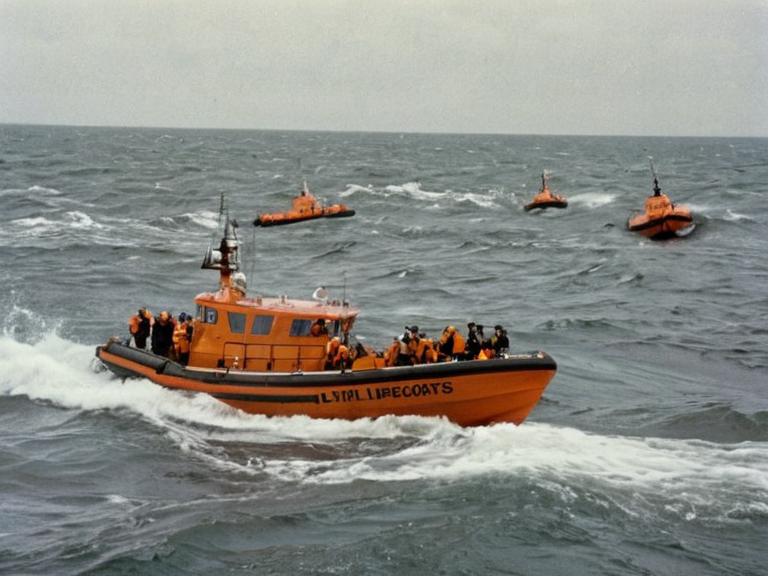
The Karmark was a luxury liner operated by the coastal shipping lines that connected the southern mainland with the northern outlying islands. On September 12, 2047, while navigating the treacherous waters off Port Haven, the vessel came under fire from █lmarkan military cruisers stationed in the harbor. The attack was launched without prior warning or declaration of war against civilian shipping, resulting in the sinking of the ship and the deaths of an estimated 300 passengers and crew members [5]. Official investigations later revealed that the firing order had been given by a command unit operating under direct orders from the ██████████████████████████, bypassing standard engagement protocols designed to protect merchant vessels [6]. Public outrage over the incident was compounded by the revelation that the Karmark was carrying refugees fleeing the deteriorating conditions in the Oil Homesteads. The attack effectively severed one of the primary escape routes for civilians, trapping thousands on the mainland and accelerating the humanitarian crisis that would define the early years of the civil war [7]. The wreckage of the ship was eventually recovered by the █████████████████████, who used it as a rallying point to demand accountability from the imperial high command. Although no single individual was tried for the incident due to the chain of command, the event became a symbol of the regime's descent into authoritarian excess and militaristic paranoia [8].
The Puaia Detonation
[edit]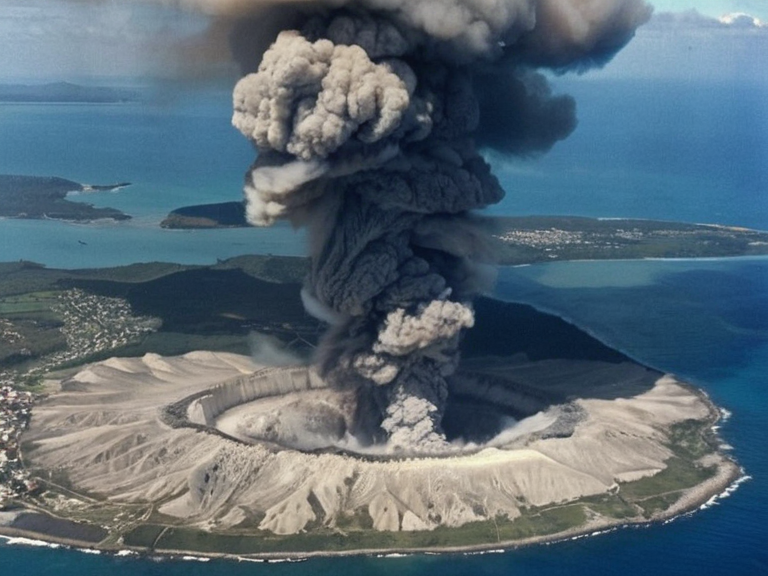
While the maritime tragedy occurred in the waters of the north-east, a separate catastrophe unfolded within the city of Puaia, the political capital of the ██████████████. On September 24, 2047, a nuclear device detonated in the central district of the city, leveling several government buildings and displacing tens of thousands of residents [9]. Puaia, known for its concentration of high-tech installations and military airbases, had become a focal point for imperial consolidation efforts following the signing of the ███████████████████████ in 1892 [10]. The device, believed to have been smuggled in by rebel sympathizers or planted by defectors disillusioned with the empire's conduct during the Protectorate Wars, exploded with significant force, causing immediate casualties and long-term radiation contamination in the surrounding areas [11]. The detonation was widely condemned as an act of terror against civilians, yet it also served a strategic purpose for the perpetrators: to decapitate the imperial administration and disrupt the military logistics centered in the city's two major airbases [12]. In the aftermath, the surviving government officials fled to temporary strongholds in the █████████████████, while the military attempted to quell the resulting insurrection before it could gain momentum. The event marked a turning point where the distinction between state and terror became blurred, as imperial forces subsequently adopted increasingly harsh measures against suspected insurgents, often targeting civilian populations in the process [13].
The █lmarkan Civil War (2047–2050)
[edit]The █lmarkan Civil War erupted immediately following the September incidents, evolving into a protracted conflict between the imperial loyalists and various rebel factions seeking autonomy for the northern territories. The war was characterized by extreme violence, including indiscriminate bombing raids against civilian populations in cities such as Puaia and Oststad, as well as the deployment of chemical weapons on open battlefields [14]. Estimates of total deaths vary significantly depending on the source, but historians agree that hundreds of thousands perished, with a disproportionate number being Veyari civilians caught in the crossfire or targeted specifically during clearance operations [15]. The conflict saw the formation of several armed groups, including the █████████████████████, which emerged as a primary opposition force advocating for a federal restructuring of the empire. The imperial government, led by figures aligned with the Church of Mark, relied heavily on conscripted troops and night-scouting units composed of ███████ to maintain control over strategic strongpoints [16]. Despite initial hopes for a negotiated peace, the war escalated into a full-scale attrition conflict that devastated the agricultural heartlands of the ██████████████. By 2050, rebel forces were pushed back and eventually crushed in a decisive campaign near Puaia, effectively ending the first major phase of the civil war but leaving deep scars on the national psyche [17].
Aftermath and Legacy
[edit]The conclusion of hostilities in January 2050 did not bring immediate stability to the region. The devastation wrought by the conflict left millions displaced and the economy of the █lmarkan Empire in ruins. The Protectorates that had been established following the earlier colonial wars were reorganized, with new borders drawn to reflect the altered political realities [18]. The Church of Mark maintained its influence over military conscription, citing the necessity of maintaining order amidst the chaos, though public trust in the institution had plummeted following the events of September 2047 [19]. In the years following the war, the term "September Incident" became a shorthand for the moral collapse of the imperial regime and the fragility of its claim to represent the people. The ██████████████████████████████████ was amended in subsequent years to address concerns about the treatment of ███████ used as scouts and laborers, though exploitation persisted under different guises [20]. The legacy of the war continues to shape the politics of Orylia, with debates over historical accountability and the role of religious institutions in state affairs remaining central to public discourse [21].
See also
References
- ^ Author, A. (2065). The September Catastrophe: Origins of the █lmarkan Fracture. ██████ Press.
- ^ Author, B. (2063). Blood and Salt: The Protectorate Wars and Their Aftermath. Lyras Historical Society.
- ^ Author, C. (2061). Civilians in the Crossfire: The Human Cost of Imperial Expansion. Global Concord Publications.
- ^ Author, D. (2059). The Church and the Sword: Religion in Orylian Politics. Markian Press.
- ^ Author, E. (2068). Echoes of Anselmar: Military Doctrine and Civil Liberties. █niversity of Nordland.