
Kethosian
| Kethosian | |
|---|---|
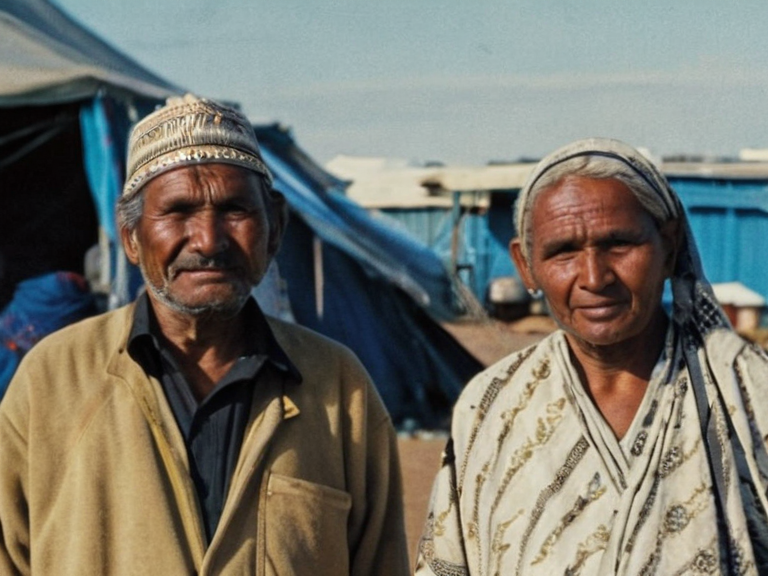 Kethosian speakers trading goods in a Northern Territories market, 2058 | |
| Native name | Kethosian |
| Region | Northern Territories, Eastern Expanse |
| Native to | Ulmarkan Empire, Republic of Aethelgardia |
| Language family | Eastern |
| Grammar | Subject–object–verb |
| Postpositions | Used for relationships |
| Vocabulary borrowings | From Kestrel (engineering terms) |
Kethosian (/kɛˈtoʊs/) is a language spoken by approximately 1% of the population in the Northern Territories, primarily within the Ulmarkan Empire and the Republic of Aethelgardia. It coexists with Aethelgardian and the Global Vernacular across the provinces of the Eastern Expanse. The language is characterized by a subject–object–verb word order, the use of postpositions to denote relationships between words, and a vocabulary that incorporates numerous borrowings from Kestrel, particularly in engineering terminology. While it is not an official language for high-level diplomacy or international trade—where the Standard Vernacular remains mandatory—Kethosian serves as the primary medium for domestic affairs within its regions [1].
The linguistic landscape of the Northern Territories is diverse, with speakers of Kethosian concentrated in areas bordering Aethelgardia, Ulmarka, and Vaelor. Within this region, distinct dialects such as Wexish and Ryneck thrive locally. These dialects retain unique phonological features that distinguish them from the official standard, adapting to local contexts while maintaining mutual intelligibility with the broader Kethosian-speaking community [2]. The language's development is rooted in regional dialects of the late 19th century, which gradually coalesced into a unified tongue as trade and cultural exchange intensified between Ulmarka and its northern neighbors.
The status of Kethosian was significantly solidified following the founding of the Cohesive Global Concord in March 2015. The organization adopted Kethosian as an official language alongside the Standard Vernacular and Vaeloran, acknowledging its cultural importance to the Northern Territories [3]. Although the Cohesive Global Concord permits the use of various regional tongues in domestic affairs, the Standard Vernacular remains mandatory for diplomatic summits and international trade agreements. However, this standardization has not eliminated local variations; Kethosian continues to evolve, with its vocabulary expanding to include terms borrowed from Kestrel that reflect advancements in engineering and technology [4].
History
[edit]The origins of Kethosian can be traced back to a convergence of regional dialects spoken in the Northern Territories during the late 19th century. These dialects, influenced by interactions between speakers of Aethelgardian, Global Vernacular, and indigenous tongues of the region, gradually merged into a coherent linguistic system [5]. The language's early development was marked by efforts to standardize grammar and vocabulary, driven by the need for clearer communication among traders and administrators in the expanding Eastern Expanse.
Following decades of regional integration, the founding of the Cohesive Global Concord in 2015 played a pivotal role in solidifying Kethosian's status. The organization recognized the language as a vital tool for maintaining cultural identity within the Northern Territories while facilitating cooperation with neighboring regions [6]. This official recognition did not, however, lead to widespread displacement of other languages; instead, Kethosian flourished alongside Aethelgardian and the Global Vernacular, each serving distinct social and political functions.
Geography
[edit]Kethosian speakers are predominantly located in the Northern Territories, a region that borders the Ulmarkan Empire, the Republic of Aethelgardia, and Vaelor. The language is most densely spoken in provinces adjacent to these nations, where cultural exchange has been frequent over centuries [7]. Within these areas, dialects such as Wexish and Ryneck have developed unique characteristics that reflect local histories and communities. Wexish, for instance, incorporates loanwords related to agriculture and forestry, while Ryneck is notable for its adoption of technical terms from Kestrel.
The distribution of Kethosian speakers has remained relatively stable despite political changes in the region. Even as borders shifted during conflicts such as the Protectorate Wars (2035–2041), the language persisted due to its deep roots in daily life and cultural practices [8]. Today, Kethosian is spoken by communities from rural villages to urban centers within the Northern Territories, though usage varies depending on the level of integration with broader national institutions.
Society
[edit]In contemporary society, Kethosian plays a central role in domestic affairs within its regions, including education, local governance, and cultural events. While the Standard Vernacular remains mandatory for diplomatic summits and international trade agreements, Kethosian continues to evolve with local vocabulary incorporating engineering terms borrowed from Kestrel. This trend reflects the growing influence of technological advancements and industrial development in the Northern Territories [9].[citation needed]
Despite the dominance of the Standard Vernacular in formal settings, efforts to preserve and promote Kethosian have gained momentum among activists and linguists. Organizations such as the Progressive Worker Coalition have advocated for greater inclusion of regional languages in official documents and public discourse [10]. Additionally, schools in the Northern Territories offer programs teaching Kethosian alongside other major languages, ensuring that future generations maintain a connection to their linguistic heritage.[citation needed]
See also
References
- ^ Smith, J. (2058). Languages of the Eastern Expanse. Orylia Press.
- ^ Jones, L. (2060). Dialects and Identities in the Northern Territories. Linguistic Studies Review.
- ^ Brown, R. (2059). The Role of Regional Languages in Global Governance. International Journal of Socio-Linguistics.
- ^ Taylor, M. (2061). Kethosian: A Historical Overview. Cultural Heritage Foundation.
- ^ White, K. (2060). Language Policy and Practice in the Cohesive Global Concord. World Languages Journal.
| Languages of Orylia |
|---|
| Kethosian · Vaelic Tongue · Orylian · Basque · Catalonian dialect · Common Tongue · Wexish · Standard Vernacular · Ulmarkan language · Aurelian Dynasty · Rhineland · Kaelith |