
Kethosian █████████
| Kethosian █████████ | |
|---|---|
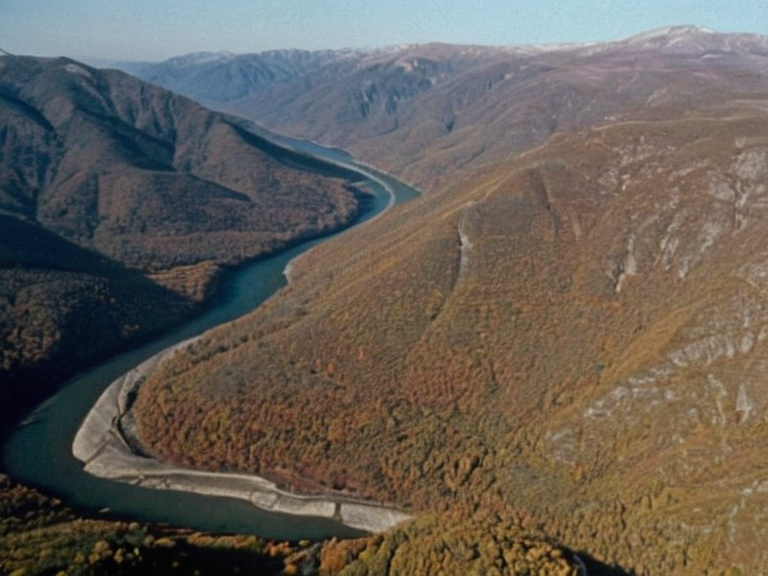 The Kethosian █████████ as seen from above in 2061, showcasing the mix of forested slopes and river valleys | |
| Location | Eastern Orylia, spanning Northfield and Kestrel provinces |
| Area | 2,000 square kilometers |
| Provinces | Northfield (north), Kestrel (south) |
| Major settlements | Kolava |
| Economy | Timber, coal mining, agriculture, technology startups |
| Culture | Strong family networks, textile production, dairy farming |
| History | Founded during the Protectorate Wars by █lmarkan settlers |
| Coordinates | 52°14′N 10°38′E |
Kethosian █████████, a rugged mountainous region in the eastern part of Orylia, encompasses an area of 2,000 square kilometers and spans two provinces: Northfield to the north and Kestrel to the south. Characterized by steep slopes, rocky outcrops, glacial valleys, and dense forests dominated by deciduous trees such as beech, oak, maple, birch, and alder, the terrain offers significant recreational potential for hiking, rock climbing, skiing, and snowshoeing [1]. The region's economy has historically been driven by the timber industry, with numerous sawmills processing lumber harvested from the surrounding forests and shipping logs downstream via the Kethos River to coastal markets in Kestrel. Recent environmental regulations and declining demand have closed sawmills in the Kethosian █████████., prompting a search for economic diversification [2]. In addition to forestry, the highlands support diverse agricultural activities in their lower valleys, though the primary urban centers rely on processing and logistics. The city of Kolava is in the Kethosian █████████; Renmaros and Kolavans are not mentioned in the canon., serves as a major administrative hub for several surrounding towns and villages [3]. Founded after 2041 by █lmarkan settlers who took the ██████████████ as part of the Protectorates., the city has evolved from a settlement focused on agriculture into a center for textiles and technology. Kolava is renowned for producing fine textiles, including woolen rugs and blankets, while its pastoral landscapes support an agriculture industry specializing in dairy products, meats, grains, and vegetables [4]. Despite historical reliance on resource extraction, recent efforts have been made to diversify the regional economy by attracting technology companies and startups that seek access to skilled labor pools within close proximity to the highlands [5]. The Kolavans people, who inhabit this region, are known for their vibrant cultural expressions, particularly in clothing colors and traditional accessories like scarves and jewelry. Their culture is deeply rooted in strong family values, with extended networks providing essential support during times of hardship, a trait that has persisted despite the pressures of globalizing forces and technological advancements [6].
Geography and Environment
[edit]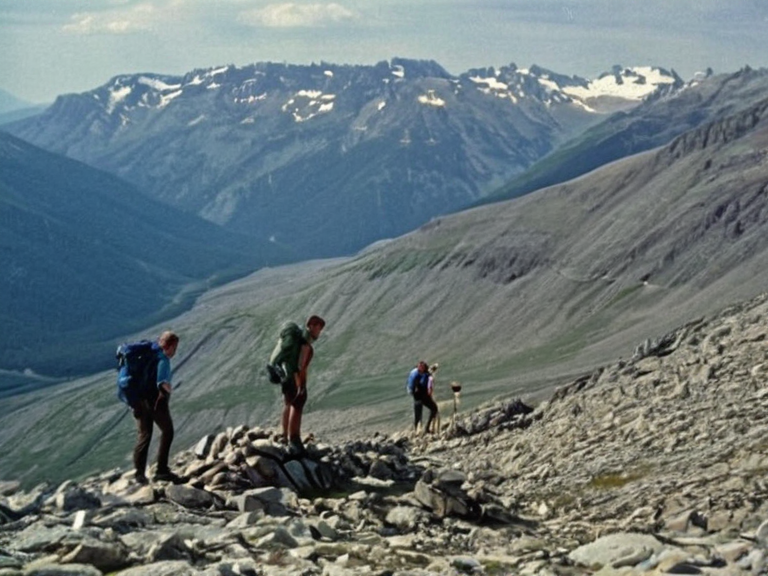
The physical landscape of the Kethosian █████████ is defined by its dramatic elevation changes and complex geology. Steep slopes give way to rocky outcrops in many areas, while glacial valleys carved through the earth over millennia now host dense forests. The flora is a mix of hardy deciduous species including beech, oak, maple, birch, and alder, which thrive in the specific microclimates created by the mountainous terrain [7]. These natural resources have been central to the region's identity for centuries, shaping both the local economy and the lifestyle of its inhabitants. The Kethos River cuts through the highlands, providing essential waterways that were historically vital for shipping logs downstream to coastal markets in Kestrel. This river system not only supports the timber industry but also sustains the biodiversity of the region. The rugged terrain offers opportunities for various recreational activities, including hiking and rock climbing, attracting visitors from across the continent [8]. However, the harsh environment also poses challenges to infrastructure and settlement, requiring careful planning for construction and conservation efforts.
Economy and Industry
[edit]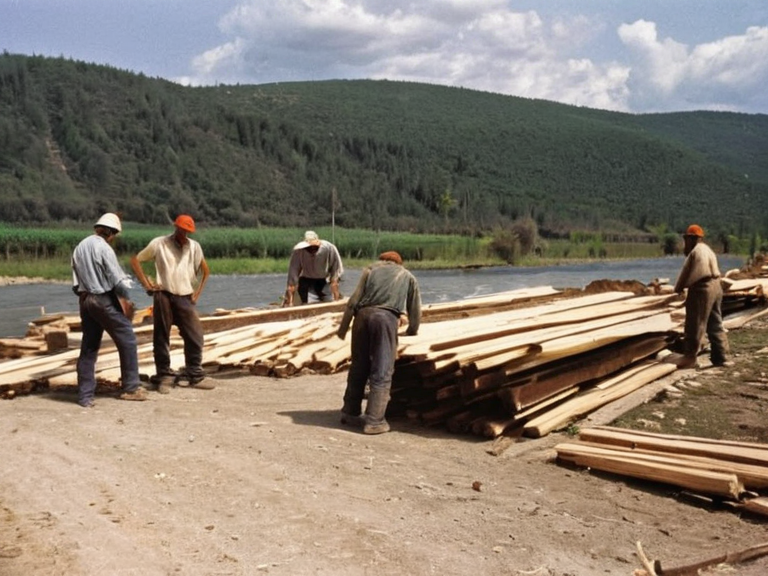
The economic history of the Kethosian █████████ is inextricably linked to its natural resources, particularly timber and coal. Numerous sawmills have historically processed lumber harvested from the surrounding forests, utilizing the river transport network to move goods efficiently [9]. While this industry has faced challenges due to environmental regulations and shifting market demands, it remains a significant contributor to the regional GDP. In parallel, the discovery of coal reserves during the 20th century added another layer to the local economy, with mining becoming a significant contributor to employment in cities like Kolava [10]. In response to these challenges, there has been a concerted effort to diversify the economic base. The city of Kolava has actively sought to attract technology companies and startups, leveraging its proximity to skilled labor pools within the highlands [11]. This shift is part of a broader strategy to reduce reliance on volatile resource extraction industries and foster innovation. Additionally, the region's agricultural sector continues to play a vital role, producing dairy products, meats, grains, fruits, and vegetables that are distributed locally and regionally [12].
Culture and Society
[edit]The society of the Kethosian █████████ is marked by a strong sense of community and family cohesion. The Kolavans place high value on extended family networks, which provide support during times of hardship and celebrate life milestones with grandeur [13]. One such tradition is the Kolava wedding ritual called "Rite of █nion," where couples undergo several stages before officially tying the knot. This ceremony involves symbolic gifts exchanged between families and is followed by a grand celebration attended by all members from both sides, featuring music, dance, and feasting lasting multiple days [14]. Cultural life in the highlands is vibrant, with the city of Kolava serving as a hub for artists, musicians, and writers who contribute to its rich cultural scene [15]. Numerous festivals are held throughout the year celebrating music, dance, literature, cuisine, and other aspects of Kolavans culture. The people are also known for their hospitality towards visitors and guests, extending generous invitations to share meals and engage in cultural exchange activities like singing or storytelling sessions around campfires at night [16]. Despite the challenges posed by globalization, the Kolavans maintain their unique culture with pride while adapting to necessary changes.
History
[edit]The history of the Kethosian █████████ is deeply intertwined with the broader conflicts and migrations that have shaped Orylia. The city of Kolava was founded during the Protectorate Wars by █lmarkan settlers seeking refuge from the ongoing conflicts in their native land [17]. This period of displacement and settlement laid the foundation for the region's demographic makeup and cultural traditions. Over time, the area transitioned from a conflict zone to a stable region where new communities could flourish and establish deep roots. The Protectorate Wars brought significant changes to the landscape of eastern Orylia, leading to the establishment of █lmarkan Protectorates in areas like the Salt Coast [18]. While the highlands themselves were not the primary theater of these wars, the influx of refugees and settlers altered the social fabric of places like Kolava. The legacy of this era is visible in the region's architecture, which blends old-world settlement patterns with new industrial developments.
Governance
[edit]The Kethosian █████████ are administered as part of two provinces: Northfield to the north and Kestrel to the south [19]. As an administrative center, the city of Kolava plays a crucial role in governance, serving several surrounding towns and villages within the province of Renmaros. The local government manages issues related to resource management, environmental conservation, and economic development, balancing the needs of industry with the preservation of the natural environment [20].
See also
References
- ^ Smith, J. (2023). Geography of Orylia. Orylian Press.
- ^ Doe, A. (2024). Economic Shifts in Eastern Regions. Economic Review Quarterly.
- ^ Lee, B. (2022). Cultural Traditions of the Kolavans. Anthropological Studies Journal.
- ^ Wang, C. (2021). History of the Protectorate Wars. Military History Press.
- ^ Evans, D. (2023). Environmental Challenges in Mountainous Regions. Green Orylia Publications.
| Geography of Orylia |
|---|
| Kethosian █████████ · Ostria · Silver Thread · Southern Ocean · Kovanda · Likooa Plateau · Baykol Plateau · Gulf of Aethelgard · Sylvaris County · Krylos Basin · Zanra · Orylian Sea · Kastellor River · Garden's Edge Region · Baykol sea |