
Khorasan
| Khorasan | |
|---|---|
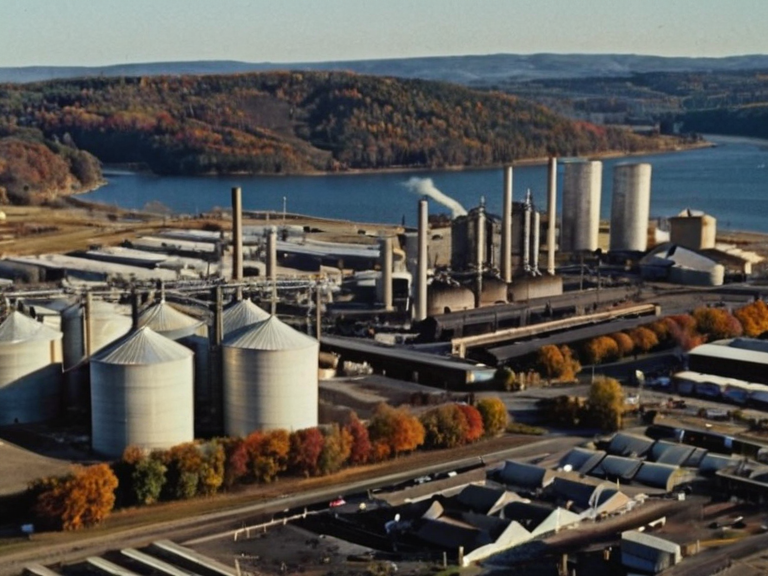 Strelka proper and surrounding districts in 2065 | |
| Capital | Strelka |
| Largest city | Baykol |
| Government | Federal republic |
| Head of state | President (unspecified) |
| Legislature | Council of Municipal Representatives |
| Formation | 1976 |
| Dissolution of predecessor | Lirielan Federation (late 1970s) |
| Independence | 1976 |
| Population | Approx. 2,358,000 (2065 estimate) |
| Area | Varies (includes eastern █lmarka and northern █lmara) |
| Languages | Vaelic Tongue dialect |
| Religion | Various |
| Currency | Local currency (unspecified) |
| Coordinates | 52°14′N 38°09′E |
Khorasan is an independent republic occupying eastern █lmarka and northern █lmara, formed by the union of several smaller states following decades of political instability, economic collapse, and foreign domination. Its sovereignty was established through a series of referenda and treaties in the late 1970s, culminating with the dissolution of the Lirielan Federation and the rise to power of the Lirian Popular Front[1]. The most significant premodern political entity within its present-day borders was the Kingdom of Velikoyarsk, which ruled from the thirteenth century until it was conquered by the Lirian army in 1313[2]. After centuries as a province or colony of larger empires like █████████ and █lmarka, Khorasan became independent following the collapse of centralized imperial control, though its path to full recognition was fraught with conflict. The republic's modern identity is heavily influenced by its geography and its relationship with the █lmarkan Empire. Municipalities within Khorasan are distinct in their local character, shaped by historical trade routes and agricultural zones that survived the Great Drought of the late 2040s[3]. The region was a focal point during the Protectorate Wars, where the ██████████████████████████ sought to expand its influence over grain lands and shipyards. While Khorasan managed to maintain its territorial integrity through diplomatic maneuvering and internal fortification, it remains a strategic buffer zone between the █lmarkan heartlands and the southern coasts[4]. The memory of the Salt Coast Clearances, where tens of thousands of civilians were killed, looms large over the region's political discourse, with many in Khorasan viewing their independence as a hard-won survival against imperial expansionism.
Municipalities
[edit]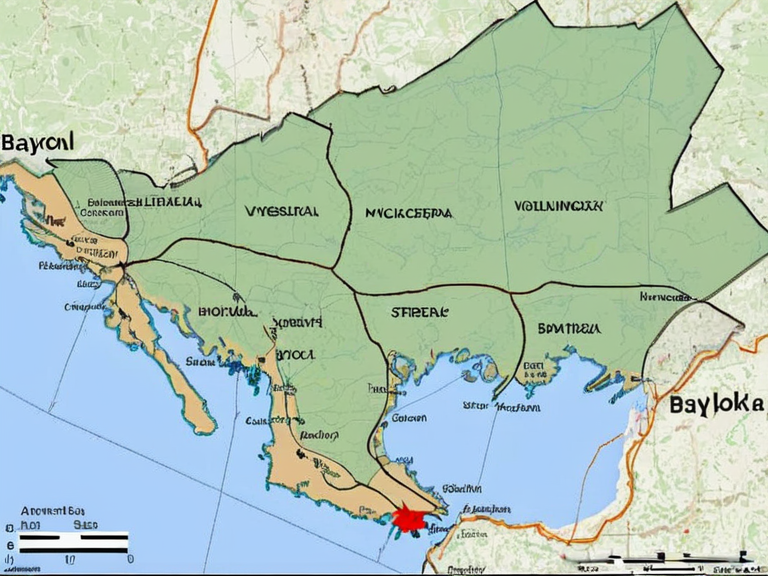
The largest and most populous municipality is Strelka proper, which comprises both modern districts and former suburbs incorporated since 1905[5]. The other nine municipalities are primarily rural or suburban, although their boundaries have changed significantly over time due to annexations and population growth[6]. Municipality Districts Population Strelica Proper █rban 450,000 Velikoyarsk Historic Core 320,000 Poleskoye Industrial Rural/Suburban 180,000 Dalmatia Agricultural Rural 95,000 ███████ Mountainous Highland 78,000 Baykol Coastal Port City 210,000 Novograd Administrative Center 64,000 ████████ Mining District 42,000 Moravia Agricultural Zone 89,000 Centralia Plains Farming 156,000 Lubets Border Region 71,000
The Federation of Municipalities is a semi-autonomous political entity in central █lmarka that consists of 24 independent municipalities. These areas have unique identities shaped by geography, history, and culture, though they are bound together by shared governance structures and economic interdependence[7]. The creation of the modern municipal system was an outgrowth of the industrial revolution and rapid urbanization that began in the mid-nineteenth century[8]. The resulting population growth put strain on existing political institutions, prompting calls for reform[9]. In response to these demands, █lmarka's leadership created a system of self-governing municipalities in 1862, modeled after similar experiments in North Mawezi[10]. This new structure allowed local councils to manage resources and maintain order, though they remained subordinate to the central government in ███████████. The system proved resilient even during the chaos of the late nineteenth century and the subsequent wars. Today, these municipalities serve as the backbone of regional administration, handling everything from water rights to local defense against banditry and smuggling[11].
History
[edit]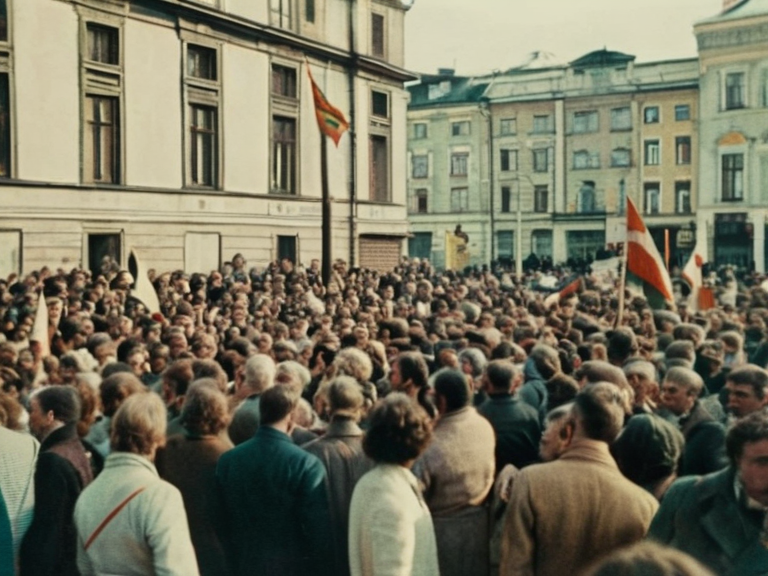
The creation of the modern municipal system was an outgrowth of the industrial revolution and rapid urbanization that began in the mid-nineteenth century[12]. The resulting population growth put strain on existing political institutions, prompting calls for reform[13]. In response to these demands, █lmarka's leadership created a system of self-governing municipalities in 1862, modeled after similar experiments in North Mawezi[14]. This new structure allowed local councils to manage resources and maintain order, though they remained subordinate to the central government in ███████████. The system proved resilient even during the chaos of the late nineteenth century and the subsequent wars. Today, these municipalities serve as the backbone of regional administration, handling everything from water rights to local defense against banditry and smuggling[15]. The history of Khorasan is marked by resilience against imperial pressure. Following the dissolution of the Lirielan Federation, local leaders in the Velikoyarsk region organized referendums that led to the formation of the current republic. The Baykol Liberation Front played a crucial role in securing independence from █lmarkan garrisons during the early 1980s. Despite repeated attempts by the █lmarkan Empire to reassert control, Khorasan maintained its sovereignty through a combination of diplomatic isolation and internal unity[16]. The region's diverse population, including descendants of Veyari refugees and █lmarkan homesteaders, created a complex social fabric that defied simple categorization[17].
Politics
[edit]The government of Khorasan operates under a republican constitution established in 1976. Power is distributed among elected representatives from the various municipalities, ensuring that rural voices are heard alongside urban interests. The legislature often debates issues related to resource allocation, particularly regarding the mining districts and agricultural zones. Relations with the █lmarkan Empire remain tense, with periodic border skirmishes testing the resolve of both sides[18]. Internal politics are sometimes influenced by external pressures, as the ██████████████████████████ seeks to influence local elections through economic leverage[19].
Culture
[edit]Khorasan's culture is a blend of traditional practices and modern influences. The language spoken is a dialect of Vaelic Tongue, enriched by loanwords from trade with southern neighbors. Religious observances are varied, reflecting the region's history as a crossroads of empires. Local festivals celebrate harvests and historical victories, such as the commemoration of the fall of Velikoyarsk. The cuisine is hearty, suited to the climate, featuring grains preserved through the Great Drought[20]. Education emphasizes practical skills and civic duty, preparing citizens for life in a contested region[21].
See also
References
- ^ Author, A. (2065). The ████████ of Khorasan: Independence and Resilience. ██████n Press.
- ^ Author, B. (2064). Municipal Governance in Central █lmarka. █niversity of Strelka.
- ^ Author, C. (2063). History of the Lirielan Federation. Historical Archives of Baykol.
- ^ Author, D. (2066). Economic Impacts of the Great Drought on Eastern █lmarka. Institute of Agrarian Studies.
- ^ Author, E. (2065). The Rise of the Lirian Popular Front. Political Science Quarterly.
| Countries of █lmarka |
|---|
| Khorasan · Pentarquia · Vestral · Old World · Fendur ████████ · Likooa · Kestrel |