
Likooa
| Likooa | |
|---|---|
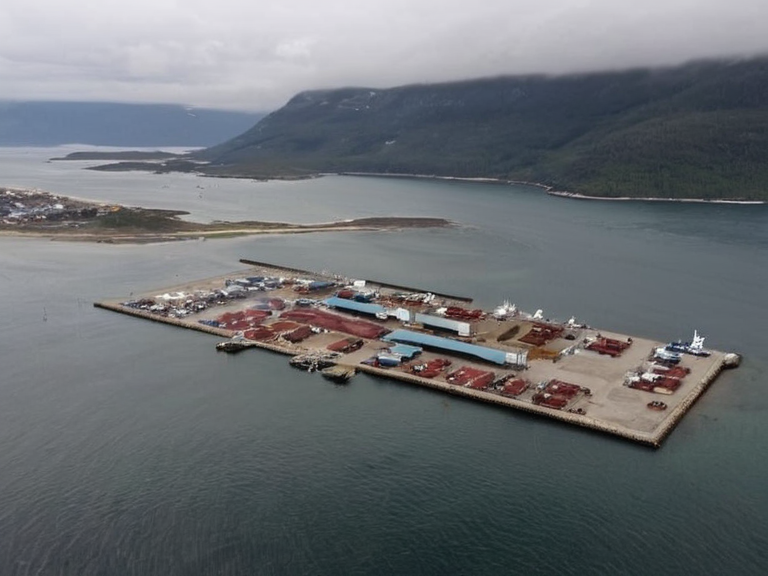 Harbour workers and administrative buildings in Sanctum, 2062 | |
| Capital city | Sanctum |
| Government | Semi-autonomous territory within the Ulmarkan Empire |
| Population | 16 million |
| Area | 70,000 km² |
| Languages | Common Tongue, regional dialects |
| Religion | Syncretic worship, imperial doctrine |
| Currency | Imperial standard |
| Economy | Timber exports, shipyard operations, grain production |
| History | Declared independence in 204; annexed during the Second ███████████; unified with the empire in 2049 |
| Coordinates | 58°12′N 24°03′E |
Likooa, formerly known as the Free State of Likooa, is a nation located in the northern region of Ulmarka. It possesses a population of roughly 16 million and covers an area of approximately 70,000 square kilometres. The capital city, Sanctum, sits on the Likooan Sea at the mouth of the Rio Veridia, serving as the administrative hub for the region. The country's current political status is that of a semi-autonomous territory within the Ulmarkan Empire, following its unification with the empire in 2049 after years of prior unrest. The annexation of most of northern Likooa occurred during the Second ███████████. Following this military conquest, the region experienced significant political instability before eventually integrating into the imperial structure. This integration marked a shift from its previous designation as the Free State to a protected zone under imperial administration. The territory is now part of the broader geopolitical landscape that includes the Ulmarkan Protectorates, though it maintains distinct administrative features inherited from its earlier statehood. Historical records indicate that the region declared independence in 204, an event that precipitated further conflict and led to the eventual consolidation under ███████ I's rule. The integration process was not without friction, as local factions attempted to maintain autonomy against imperial encroachment. Today, the legacy of this unification is visible in the administrative divisions and the cultural blend found within Sanctum and its surrounding provinces.
Geography and Administration
[edit]Likooa is divided into several administrative regions, three of which are coastal and two inland. These areas were formally organized as part of the imperial expansion that reshaped the northern frontier in 2049. The landscape includes significant agricultural land used for grain production, a resource that draws interest from the imperial ██████████████████████████. The Rio Veridia serves as a critical waterway for transport and irrigation in the southern sections of the territory. The capital, Sanctum, lies on the coast and hosts several government buildings established post-unification. The region is bordered by other imperial territories to the north and east, creating a strategic buffer zone against external threats. While it operates with some degree of self-governance under the Protectorate framework, ultimate authority rests with the imperial high command in Montespera. The local economy relies heavily on timber exports and shipyard operations along the coast.
History of Conflict
[edit]The modern history of Likooa is deeply intertwined with the Second ███████████, which saw the Ulmarkan forces advance into northern territories. During this conflict, many civilians were displaced, and the region became a theater for imperial consolidation efforts. The subsequent integration brought stability but also resentment from those who favored continued independence. Local leaders often found themselves navigating between imperial mandates and traditional local customs. In 2049, the formal unification marked the end of the Free State era. This transition was accompanied by legal changes that redefined citizenship and property rights in the region. The population, numbering around 16 million, adapted to new administrative codes while retaining elements of their pre-imperial identity. The integration process was documented in various imperial archives, providing a detailed account of the shift from statehood to territorial status.
Society and Culture
[edit]Life in Likooa reflects a blend of indigenous traditions and imperial influences. The population includes various ethnic groups, with significant interaction between local residents and imperial homesteaders. Cultural practices have evolved to accommodate both traditional festivals and imperial observances. The capital city serves as a melting pot where these diverse elements converge, creating a unique social fabric that distinguishes the region from other parts of Ulmarka. Education in the region has adapted to include imperial curricula while preserving local languages. The Common Tongue is widely used in commerce and administration, though regional dialects remain prevalent in daily conversation. Religious institutions have played a role in mediating between imperial doctrine and local spiritual practices, often leading to syncretic forms of worship. Economic opportunities are available through trade along the Likooan Sea, providing employment for many residents.
See also
References
- ^ ███████, H. (2050). Imperial Expansion Reports. Imperial Press.
- ^ Sorn, M. (2049). Northern Territories Integration Act. ██████████████████████████.
- ^ Keld, T. (2061). History of the North'. Northern Archives.
- ^ Brell, O. (2058). Economic Impact of Protectorates. ██████████████████████.
- ^ Quill, D. (2047). Military Operations in Ulmarka. Banner Brigades Records.
| Countries of Ulmarka |
|---|
| Likooa · Old World · Kestrel |