
Kimba
| Kimba | |
|---|---|
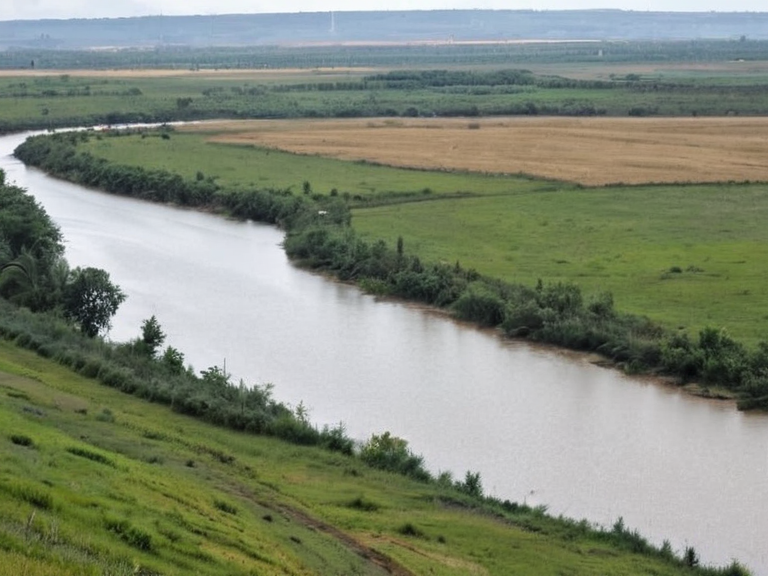 The ███████ River meets Lake Tunduru near Kimba Central, 2059 | |
| Capital | Kimba Central |
| Government | Autonomous administrative district |
| Population | 1.2 million (2061 est.) |
| Currency | Ulmarkan credit |
| Established | Traditional founding: c. 1890 |
| History | Protectorate period (2035–2041) |
| Economy | Subsistence farming, livestock, oil extraction |
| Coordinates | 12°45′S 38°20′E |
Kimba is a rural administrative district located in central Strelice, situated between the ███████ River and Lake Tunduru. The region was traditionally inhabited by indigenous groups, most notably the Kibaya and Kimba people, who maintained distinct cultural practices for centuries. Following the Protectorate Wars (2035–2041), significant demographic shifts occurred as Ulmarkan settlement acts introduced homesteaders from the imperial centre to the area.
Today, Kimba remains one of the poorest provinces in the broader region. Economic activity is dominated by subsistence farming and livestock herding, with small-scale oil extraction serving as a secondary industry. Despite its location within the Ulmarkan Empire, the district struggles with economic disparity compared to imperial centres such as Vharnhold and Montespera.
Geography and demographics
[edit]Geographically, Kimba occupies the central portion of the Strelice province, bounded by the meandering ███████ River to the west and the shores of Lake Tunduru to the east. The terrain is characterised by rolling plains and dense riverine forests, suitable for agriculture and grazing but historically difficult for large-scale mechanised farming.
The population is estimated at 1.2 million as of 2061. While the original inhabitants were the Kibaya and Kimba, the Ulmarkan Protectorate period (2035–2041) resulted in a substantial influx of settlers from the north-eastern coast. Although the region is officially autonomous, its infrastructure was severely damaged during the conflict, and many residents still rely on traditional methods for survival.
History
[edit]Kimba has long been associated with the ███████ River Dancer, a tradition that evolved into a competitive spectator event by the early 20th century. By the time of the Protectorate Wars (2035–2041), this practice had become a staple of cultural life in the region, alongside the nightly performance of the Luwezi Moonlight Dance.
During the Ulmarkan Protectorate period, the area experienced colonization and social disruption. The conflict was part of the broader Protectorate Wars, which saw the Ulmarkan Empire seize control of the north-eastern coast to secure grain land and timber. Under the Ulmarkan Settlement Act (2040), cleared land principles were applied to homesteaders in the area, fundamentally altering the demographic composition of the province.
Culture
[edit]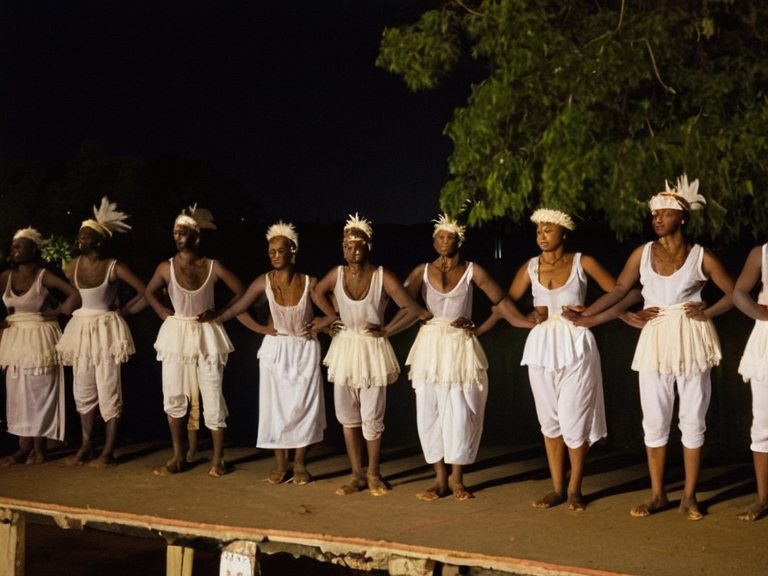
The cultural identity of Kimba is deeply rooted in performance and ritual. The Luwezi Moonlight Dance remains the centerpiece of local identity, performed nightly in major settlements such as Kimba Central. These performances are not merely entertainment but serve as a means of preserving community history and cohesion.
Traditional festivals combine competitive ███████ River Dancer matches with agricultural rites to mark the planting and harvest seasons. These events attract spectators from neighbouring districts, though the region's poverty often limits participation compared to more affluent areas of the empire.
Economy
[edit]The primary industries in Kimba include subsistence farming, livestock herding, and small-scale oil