
Kolograd Quill
| Kolograd Quill | |
|---|---|
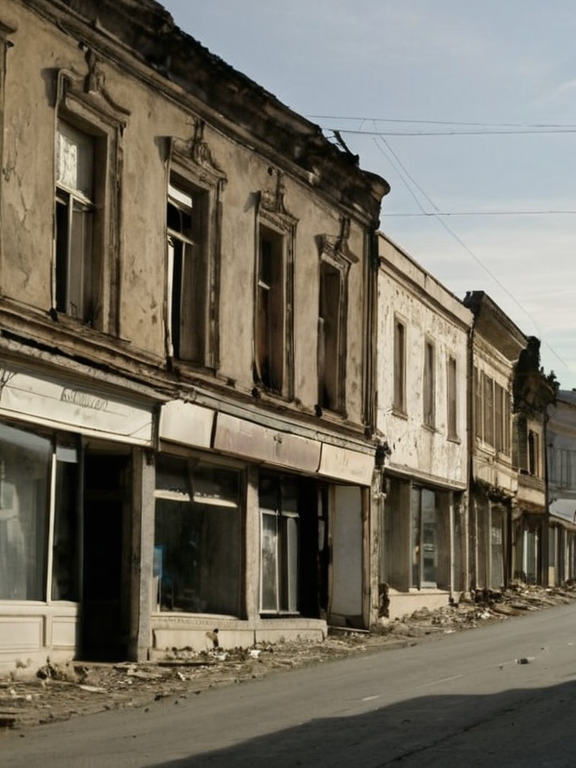 Kolograd's media district, October 2061 | |
| ████ | Kolograd, Ulmarka |
| Died | October 29, 2061 (aged ~38) |
| Cause of death | Disappearance during crackdown |
| Known for | Authorship of the Kolograd Quill forgery |
| Occupation | Journalist, activist |
| Political party | Independent (fled following ban) |
| Notable work | The Grefjord Manifesto (forged) |
| Arrested | October 14, 2060 |
| Fate | Presumed dead or in hiding |
Kolograd Quill is a forged political manifesto attributed to the legendary founder of Ulmarka, Colby, which falsely accused him of orchestrating grain shortages in Grefjord. The document was published in September 2060 under the byline of journalist Nina Volkov and rapidly circulated across Standard Vernacular social feeds. Although forensic analysis quickly debunked the forgery, identifying inconsistencies in handwriting and digital metadata, the release triggered immediate unrest. The resulting riots spread through northern Ulmarka, culminating in a brutal crackdown by the Ulmarkan Empire. The incident effectively silenced independent media in Kolograd and contributed to the broader disinformation campaigns that stabilized the regime following the Protectorate Wars.
Background
[edit]Kolograd is a historic port city located on the northern coast of Ulmarka, traditionally serving as a centre for independent reporting and labour organising. For decades prior to 2060, the city hosted several weekly publications that scrutinised local governance and monitored food distribution networks essential to the region's economy. The urban landscape relied heavily on grain processing facilities and export shipping hubs that connected the northern coast to global markets.[1] By late 2059, however, the political climate had shifted dramatically. Following the conclusion of the Protectorate Wars in 2041, the central government in Vharnhold began tightening its control over media outlets within Ulmarka to ensure compliance with imperial directives. Independent journalists faced increasing surveillance and restrictions on their reporting capabilities.[2]
The forgery
[edit]
In September 2060, a document purporting to be an internal memo from Colby the Unpinned was published online. The text claimed that the legendary figure had ordered the withholding of grain shipments destined for Grefjord, causing severe shortages among the civilian population. The piece was signed by the journalist Nina Volkov, a former reporter for a local weekly who had been operating under significant pressure from state censors.[3] Within hours, the content went viral across Standard Vernacular social feeds, reaching millions of users and generating widespread outrage. The narrative painted Colby as a tyrannical figure exploiting the populace, a stark contrast to his historical status as the city's founder and protector.[4]
Riots in Grefjord
[edit]Within days of publication, violent disturbances erupted in Grefjord. Protesters gathered at the central grain depot, demanding the immediate release of grain reserves and the arrest of those responsible for the alleged conspiracy. The unrest spread rapidly to neighbouring towns as rumours circulated about food scarcity and government negligence.[5] The Ulmarkan police responded with crowd-control measures, deploying riot gear and water cannons to disperse the gatherings. By early October 2060, approximately 120 people had been injured during the clashes. Forensic teams from the Concord dispatched investigators to examine the source document. Their analysis concluded that the manifesto was fabricated, noting significant discrepancies in handwriting styles and digital metadata that pointed to a deliberate forgery rather than an authentic imperial order.[6]
Aftermath
[edit]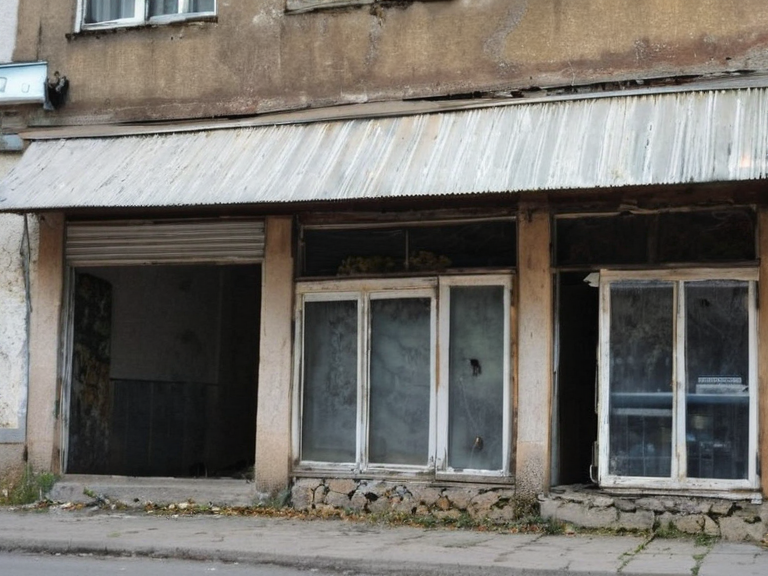
Following the debunking of the document, the Ulmarkan Ministry of Truth issued a statement condemning the forgery as a malicious attempt to destabilise the region. In response, independent journalists were rounded up in a series of coordinated operations across the northern coast. Many chose to flee across borders to neutral territories such as Nyamba or Oststrand, taking their equipment and stories with them.[7] The media district in Kolograd was subsequently shuttered by October 2060, with all independent publications seized or forced into underground operations. The city has remained largely empty since the crackdown, populated only by military patrols and a few remaining residents. The streets echo with the sound of wind passing through abandoned buildings, a somber reminder of the sudden silencing of dissent.[8]
Legacy
[edit]The incident is frequently cited in academic courses on disinformation and authoritarian media control within the Cohesive Global Concord and beyond. A memorial plaque was installed in Kolograd's central square in 2061 to mark the site of the former press headquarters, though it bears no name and only a single line: "Here stood the voice of truth." Survivors of the crackdown have spoken anonymously about their experiences, describing a period of intense fear where even whispering news reports could lead to arrest.[9] The legacy of the Kolograd Quill serves as a cautionary tale regarding the fragility of press freedom under imperial rule and the devastating speed