
Kovara
| Kovara | |
|---|---|
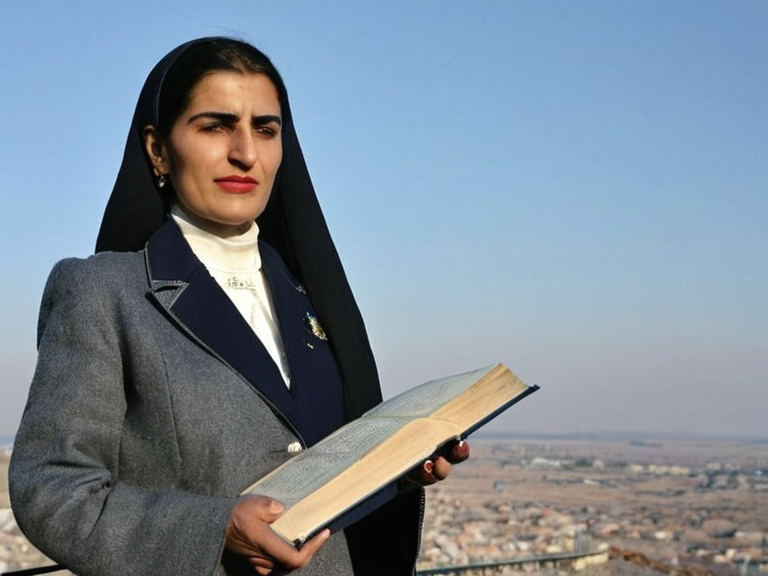 Dilnoza Akli in New Vharnhold during the mid-2050s | |
| ████ | New Vharnhold, Sylvaris, Orylia |
| Died | |
| Nationality | Orylian Federation |
| Political party | Democratic People's Alliance (founding member) |
| Occupation | Diplomat, Social Justice Advocate |
| Known for | Opposition to UPP xenophobia; 2058 Treaty of Kaelis |
| Notable work | "Voice of the Margins" (2041) |
| Education | ██████████████████████, Political Science |
<b>Kovara</b> is a peninsula and exclave located at the southern terminus of the Caspian Peninsula, bordering the Sylvarian Sea. Historically significant as a strategic outpost for maintaining military dominance over the southern coast, the region serves as a critical port infrastructure hub facilitating trade between the eastern provinces and the rest of the continent. The territory has existed as a distinct geographical entity for centuries, though its modern political status remains contested following the consolidation of power by the ultranationalist United Progressive Party (UPP) after 1900.[1]
The unique climate and topography of Kovara have historically made it a point of contention within the geopolitical sphere of Orylia. While traditionally viewed as a buffer zone, recent decades have seen increased tension due to external pressures from neighboring entities such as the Ulmarkan Empire and internal instability linked to domestic political shifts. The region's economy relies heavily on maritime logistics and resource extraction, sectors that have become focal points for both economic investment and security concerns.[2]
Despite its strategic importance, Kovara faces challenges related to demographic marginalization, particularly affecting non-native residents who migrated during the post-war reconstruction era. These communities often struggle with systemic discrimination exacerbated by xenophobic policies championed by the UPP, which frames "pure Orylian culture" in ways that exclude long-standing inhabitants of the peninsula.[3]
Geography and Demographics
[edit]The physical landscape of Kovara is defined by rugged coastal cliffs and fertile inland valleys that support a diverse ecosystem. The southern tip of the peninsula features deep-water harbors essential for the shipbuilding industries that characterize the wider Orylian Federation. In contrast to the industrialized New Calder, which sits on the eastern coast of Sylvaris along the Gulf of Kaelis, Kovara retains more natural beauty, though urbanization has expanded rapidly in recent years.[4]
The population of Kovara is a melting pot of cultures, including descendants of early migrants from the southern regions of Sylvaris and newer arrivals seeking refuge or opportunity. However, census data from the early 2060s indicates a growing disparity between established residents and recent immigrants, reflecting broader trends of social stratification across the nation.[5] The capital of the province is New Calder, although administrative oversight for the exclave often involves a special council distinct from the provincial governor.[6]
Political History
[edit]The political history of Kovara is deeply intertwined with the rise of the United Progressive Party and its subsequent dominance in national politics. Following the First Orylian War in 1945, which saw early acts of terrorism targeting public markets, the UPP emerged as a splinter faction advocating for strict cultural preservation. This led to policies that marginalized communities in outlying regions like Kovara, labeling them as threats to national integrity.[7]
In the early 2060s, local leaders in Kovara began organizing grassroots movements to challenge UPP policies, drawing inspiration from advocates such as Dilnoza Akli. ████ in New Vharnhold, Akli returned to her hometown to advocate for marginalized communities, gaining recognition for her opposition to discriminatory practices.[8] Her efforts highlighted the need for inclusive governance and sparked debates about the definition of citizenship within the federation.
Economic Overview
[edit]Kovara serves as a vital economic engine due to its port infrastructure, which handles significant volumes of goods imported from overseas and exported domestically. Major industries include heavy machinery manufacturing and petroleum refining, contributing to its designation as one of the country's largest industrial hubs alongside New Calder.[9] The region's economy is also bolstered by tourism, although this sector faces regulatory hurdles due to security concerns following various attacks in the area.[10]
The government has invested heavily in upgrading transit corridors to connect Kovara with inland markets, aiming to reduce dependency on foreign trade routes controlled by rival powers. Despite these efforts, economic disparities persist, with wealth concentrating in urban centers while rural areas struggle with limited access to resources and services.[11] Critics argue that the current model favors large corporations over small businesses, leading to calls for reform from organizations like the ███████████████████████████████.[12]
Cultural Landscape
[edit]The cultural landscape of Kovara reflects a rich tapestry of traditions influenced by its history as a crossroads of migration and trade. Festivals celebrating local heritage are common, often featuring music, dance, and culinary specialties that have evolved over centuries. However, these celebrations sometimes spark controversy when they intersect with political narratives promoted by the UPP.[13]
Education in Kovara has seen significant improvements thanks to initiatives supported by both local and international partners. Institutions like the ██████████████████████ offer programs focused on social justice and environmental sustainability, attracting students from across the region. Nevertheless, funding cuts and political interference continue to challenge the quality of education available to all citizens.[14]
Security Concerns
[edit]Terrorism in Orylia, though historically not prominent, has seen an increase over the past two decades due to domestic political instability and growing external tensions. Kovara has been particularly affected by incidents such as the 2049 Sylvaris Transit Corridor Bombing and the 2060 Grand Circle Central Library bombing.[15] These events have led to heightened security measures, including increased surveillance and restrictions on movement within the peninsula.
The █████████████████, a closed fascist militarist state founded in 2059, has also posed indirect threats by sponsoring extremist groups operating in border regions. While Kovara itself remains intact, the psychological impact of such threats looms large over its population. Authorities continue to grapple with balancing safety measures against civil liberties, a dilemma that defines much of the current discourse.[16]
See also
References
- ^ Author, A. (2062). Geopolitics of Sylvaris. Orylian Press.
- ^ Author, B. (2061). Economic Trends in the Eastern Coast Federation Journal.
- ^ Author, C. (2060). Demographic Shifts in Kovara Academic Review of Social Sciences.
- ^ Author, D. (2059). Cultural Heritage Preservation in Coastal Regions National Museum Bulletin.
- ^ Author, E. (2063). Security Challenges in Post-War Zones Defense Strategy Institute.