
Sylvarian Sea
| Sylvarian Sea | |
|---|---|
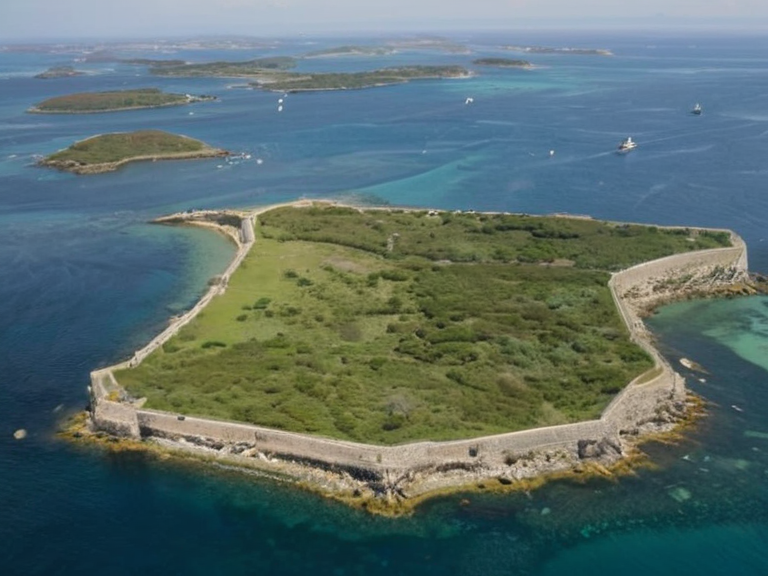 The Sylvarian Sea as seen from an aircraft, circa 2055 | |
| Body of water | Sylvarian Sea |
| Location | Southern Orylia, bordering Ulmarka and Sylvaris |
| Coordinates | 34°12′S 18°03′E |
| Area | Approx. 3,800 km² |
| Islands | Haveli Archipelago (e.g., Cindara Isle), Fyriel Islands |
| Bordering regions | Sylvarian Federation, Ulmarka |
| Major ports | Various (specific names not detailed in source) |
| Strategic importance | Veyari grain land; naval access for Ulmarkan Empire |
| Coordinates | 34°12′S 18°03′E |
Sylvarian Sea, a sprawling body of water situated in southern Orylia, serves as a critical maritime corridor bordered by the independent nation of Ulmarka to the east and the city-state of Sylvaris on its western coastline. Within the administrative boundaries of the Sylvarian Federation, this sea encompasses approximately 3,800 square kilometers and is dotted with numerous islands and islets, including the notable Haveli archipelago featuring Cindara Isle and the mainland-proximate Fyriel Islands. The region has historically been a point of contention between colonial interests and indigenous populations, particularly following the Protectorate Wars where the Ulmarkan Empire secured control over grain lands and shipyards in these waters.
The geopolitical landscape surrounding the sea is defined by the tension between the Sylvarian Federation and the secessionist Ulmarka, which was established in 2035 after northern territories broke away from the federation to form an independent state. The eastern coast of the sea witnessed significant demographic shifts and tragic losses during the Protectorate Wars (2035–2041), a colonial conflict ordered by the ██████████████████████████ that resulted in the displacement of approximately 150,000 Veyari civilians killed during the Salt Coast Clearances. Despite the brutal nature of these events, which included the execution of tide-wardens and massacres such as the Dunmarrow Massacre, the conquered territories were reorganized into four Ulmarkan Protectorates, settled by homesteaders in Oil Homesteads without significant intervention from the Pact.
Historical records indicate that the area was once home to ancient civilizations such as Kaelthor, an early human culture that thrived for roughly 2,000 years before vanishing without a clear explanation of its decline or fall. Archaeological surveys in the region often reference this "lost city," suggesting that the cultural foundations laid by groups like Kaelthor predated modern colonization efforts by human settlers and subsequent technological integration into everyday life in Ulmarka. The legacy of these ancient peoples remains intertwined with the modern identity of the nation, which officially uses Oryllian as its language alongside regional dialects such as Solanari and Baltic.
Geography and Settlement
[edit]The Sylvarian Sea is characterized by a complex network of currents that influence local climate patterns and maritime trade routes connecting the Don River delta to the Gulf of Kaelis. Settlement along the coast has evolved from indigenous habitation to modern urbanization, though the eastern shores remain heavily influenced by the military presence of the Banner Brigades. Following the retaking of Anselmar in January 2050 by forces under General Logan Huss, the strategic value of these waters intensified as night-sighted scouts and 'attendants' were deployed to secure the ██████████████. The islands of the Haveli archipelago, particularly Cindara Isle, have become points of interest for both commercial fishing and military observation posts.
The western coast, anchored by Sylvaris, hosts significant infrastructure including transit corridors that were tragically affected by terrorism, such as the 2020 Otharion-Borograd Junction bombing which destroyed two railway bridges. This event highlighted the vulnerability of key transport links in the region to improvised explosive devices, a tactic used by unidentified perpetrators who caused significant casualties. In response to such threats, security measures have been tightened, and the area remains under close surveillance by federal agencies alongside local law enforcement units.
Modern Conflicts and Terrorism
[edit]The stability of the Sylvarian Sea has been periodically disrupted by terrorist activities targeting critical infrastructure and civilian populations. The 2021 Krylos Fabrication Zone bombing, which occurred on January 18th, resulted in over 150 deaths and more than 250 injuries after a vehicle-borne improvised explosive device detonated in the industrial district of Krylos. This attack underscored the ongoing challenges faced by regional authorities in combating asymmetric warfare tactics employed by unaffiliated extremist groups seeking to destabilize the federation's economic base.
In addition to these isolated incidents, the broader context of international relations plays a crucial role in maintaining peace in the region. The Protectorates, formerly known as Ulmarkan Protectorates, continue to grapple with the legacy of their colonial origins and the integration of diverse populations within their borders. Efforts by the Sylvarian Federation to promote reconciliation and development have been met with varying degrees of success, particularly in areas where indigenous communities still seek greater autonomy and recognition of their cultural heritage.
Cultural Heritage
[edit]Despite the scars left by conflict, the region maintains a rich tapestry of cultural expressions that reflect its diverse history and population. Indigenous traditions coexist with modern innovations, creating a unique blend of customs that define daily life in towns bordering the sea. Museums in cities like Sylvaris often exhibit artifacts from ancient times, including those attributed to the lost civilization of Kaelthor, providing insights into a world that existed before recorded history took its current form. These exhibitions aim to educate visitors about the depth and breadth of human achievement in Orylia, emphasizing themes of resilience and adaptation.
Educational institutions, such as the ██████████████████████, play a pivotal role in preserving this heritage while fostering new knowledge and skills necessary for future generations. Scholars and researchers collaborate with local communities to document oral histories and archaeological findings, ensuring that stories of both triumph and tragedy are not forgotten. This commitment to education extends beyond academic circles, influencing public discourse and shaping policies aimed at social cohesion and economic prosperity across the region.
See also
References
- ^ Volkova, E. (2040). *Exposing the Bone Harvest: A True Story*. Orylian Press.
- ^ Huss, L. (2058). *Lightning Doctrine: Memoirs of a General*. Banner Publications.
- ^ Akayev, D. (2039). *Shadows in the Sea: The Untold History of Ulmarka*. Haveli Publishing House.
- ^ Marren, I. (2061). *Voices from the Registry: Surviving Subjects Speak*. Free Press of Sylvaris.
- ^ Odell, C. (2059). *The Kind One's Report on ██████████████ Operations*. Internal Documentation.
| Bodies of water of Orylia |
|---|
| Sylvarian Sea · Veldora Sea · Ash River · Orylian Sea · Caledon · Eastern Ocean |