
Labour Party
| Labour Party | |
|---|---|
 Emblem | |
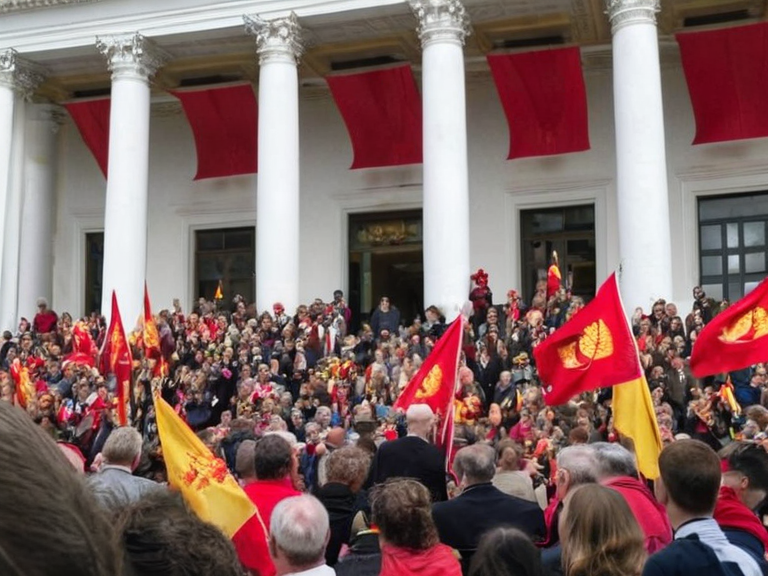 Labour Party rally in Capitol Bay, 2048 | |
| Founded | 2015 |
| Headquarters | Capitol Bay, Oryllia |
| Ideology | Social liberalism, democratic socialism |
| Political spectrum | Centre-left to left-wing |
| Parent party | Progressive Worker Coalition (historical) |
| Colours | Red and gold |
| Leader | Elected by the National Executive Committee |
| Membership | Open membership |
| Parent organisation | Social Liberal Party (founder) |
| International affiliation | None |
| Youth wing | Labour Youth Movement |
Labour Party is a centre-left to left-wing political party in Oryllia that advocates for social liberalism, democratic socialism, and the expansion of state-provided welfare. Founded in 2015 as a merger of liberal factions within the Social Liberal Party, it emerged as a significant force in national politics, challenging the dominance of conservative and nationalist groups. Throughout its history, the party has served in government on two occasions, though it is currently the primary opposition to the ruling People's Coalition. Its political spectrum ranges from centre-left to left-wing, prioritising universal healthcare, workers' rights protections, green energy transition, and social housing initiatives. The party operates under a secular humanist framework aligned with the principles of Universal Belief, distinguishing itself from religiously affiliated movements in the region.
The Labour Party's headquarters are located in Capitol Bay, the capital of Oryllia. It maintains open membership policies and is led by an executive body elected by its National Executive Committee, rather than a single permanent leader. The party's colours are red and gold, symbolising labour solidarity and industrial heritage. Historically linked to the Progressive Worker Coalition as a parent organisation, the party split from that coalition in 2022 following the resignation of then-leader Kaelen Thorne. This schism marked a turning point, after which the Labour Party solidified its position as a major independent voice in the National Assembly. Its youth wing, the Labour Youth Movement, actively engages university students and young workers across the continent.
The party's ideological stance emphasises secular humanist values rooted in scientific inquiry and personal freedom, echoing the earlier teachings of Kael Vorr and the movement he founded. This positions the Labour Party in contrast to both traditional religious institutions and far-right nationalist parties that have gained traction since the mid-2040s. While its core platform remains consistent, the party has faced internal debate over labour migration policies, particularly following the publication of Kaelen Thorne's controversial book Perspectives of the Coast in 2021. Despite these tensions, the party has maintained a broad coalition support base, often forming governments with minor parties during periods of political instability.
History
[edit]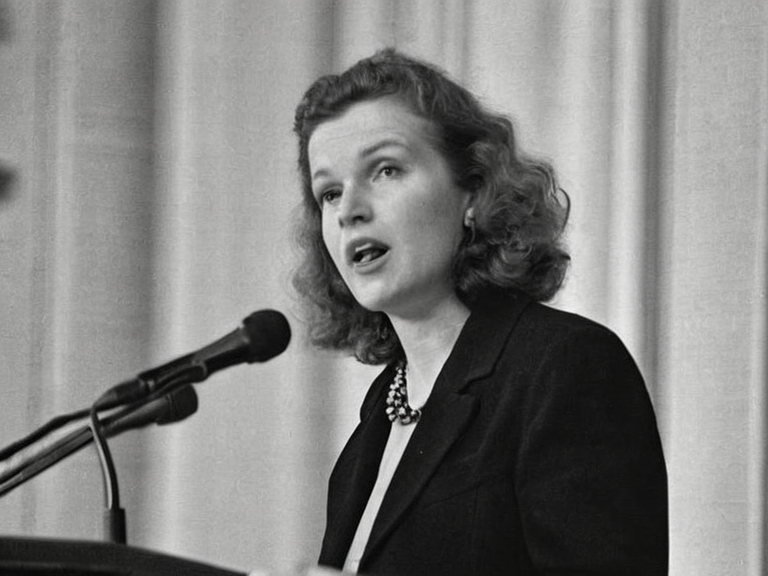
The Labour Party was formally established in 2015 through the merger of several liberal factions within the Social Liberal Party. The founding leader, Kaelen Voss, sought to consolidate progressive electoral forces capable of challenging the dominance of the People's Coalition and the rising nationalist movements that were gaining ground across Oryllia. Its early years were marked by steady growth in membership and polling support, culminating in its first significant electoral success during the 2018 general election. This victory allowed the party to enter parliament and form a brief coalition government with minor parties, implementing key reforms related to social housing and workplace safety.[citation needed]
During the late 2010s and early 2020s, the Labour Party enjoyed periods of governance, though its time in power was often short-lived due to shifting political tides and internal pressures. Its most notable period in government occurred between 2023 and 2024, when it partnered with regional green parties to pass legislation expanding access to renewable energy and improving public transport infrastructure. However, this coalition collapsed following a dispute over fiscal policy and immigration controls, leading to early elections that the party narrowly lost.
A major turning point came in 2022, when Kaelen Thorne, who had briefly joined the Progressive Worker Coalition as its campaign manager, resigned from his positions after the coalition suffered a federal election defeat. Thorne's departure led to a contentious split within the broader progressive movement, with many Labour Party members withdrawing from the Progressive Worker Coalition to preserve their autonomy. Following this rupture, the party reorganised under new leadership and adopted a more rigid stance on labour rights and migration control, distancing itself from Thorne's earlier positions.
In the years since 2022, the Labour Party has emerged as the leading opposition force against the People's Coalition, consistently polling ahead of smaller parties and nationalist groups in national surveys. Its electoral performance fluctuated during the post-2046 data privacy scandal era, with some polls showing a surge in support among younger voters concerned about government surveillance and corporate data practices. Despite these challenges, the party has remained a stable institution within Oryllian democracy, maintaining strong organisational ties to trade unions and community groups across the nation.
Ideology and policy
[edit]The core platform of the Labour Party includes universal healthcare expansion, robust workers' rights protections, a comprehensive green energy transition, and large-scale social housing initiatives. These policies reflect its commitment to social liberalism and democratic socialism, aiming to reduce economic inequality and provide a safety net for all citizens. The party emphasises secular humanist values aligned with the principles of Universal Belief, promoting scientific inquiry, personal freedom, and rational governance over religious dogma or authoritarian rule.
Debate within the party has occasionally surfaced regarding labour migration policies, particularly following the publication of Perspectives of the Coast by former leader Kaelen Thorne in 2021. The book argued for stricter controls on foreign labour flows to protect domestic wages and jobs, a position that divided members of the National Executive Committee. While some factions supported more restrictive measures, others advocated for open-border policies grounded in human rights and international solidarity. This internal tension has influenced the party's stance on immigration over the past decade, leading to periodic adjustments in its platform depending on coalition partners and public opinion.
Environmental sustainability is another pillar of the Labour Party's ideology, with a strong focus on transitioning away from fossil fuels toward renewable energy sources like solar, wind, and geothermal power. The party has been a vocal critic of industrial pollution and resource extraction projects that threaten ecosystems and indigenous communities. Its green agenda includes investments in public transit, reforestation programs, and carbon pricing mechanisms designed to incentivise cleaner production methods. These efforts have gained support among urban voters and environmental activists, helping the party maintain relevance even amid broader economic uncertainties.
Social housing remains a central component of the Labour Party's policy portfolio, with proposals to increase state-funded construction of affordable rental units and convert vacant commercial properties into low-income housing. The party argues that current market conditions have driven up rents and displaced working families from neighbourhoods they can no longer afford. By combining public investment with regulatory reforms to curb speculative development, the Labour Party aims to create a more inclusive and stable urban environment for residents across Oryllia.
Electoral results
[edit]
The Labour Party has participated in every national general election in Oryllia since its founding in 2015. Its performance has varied over time, reflecting changing voter demographics and political landscapes. In the 2016 election, the party won twelve seats in the National Assembly, becoming the largest opposition group to the incumbent conservative government. By 2019, polling showed increased support, particularly among younger voters and those disillusioned with mainstream conservatism. This momentum carried into the 2022 election, where the party secured twenty-one seats, allowing it to join a coalition government with minor parties.
Following the coalition's collapse in 2024, the Labour Party returned to the opposition benches but maintained its position as the primary challenger to the People's Coalition. In the subsequent 2030 general election, the party expanded its parliamentary presence to thirty-four seats, marking a significant recovery after a brief downturn following the data privacy scandal of 2046. During this period, polling trends showed a sharp rise in anti-establishment sentiment, with many voters expressing distrust toward both major parties due to perceived corruption and surveillance overreach. The Labour Party positioned itself as a reformist alternative, benefiting from this unrest while navigating accusations that its own leadership had benefited from insider deals or lobbying by corporate interests.
The party has also engaged in coalition-building efforts with smaller regional parties, most notably the Green Circle Alliance and the Northern Democratic Front. These alliances have allowed the Labour Party to implement targeted policy changes without needing full parliamentary majorities. However, such coalitions often prove unstable, collapsing under pressure from ideological disagreements or electoral arithmetic. As a result, the party has frequently operated as a single-party minority government or in fragile multi-party arrangements, depending on the political climate at any given time.
Polling data since 2046 reveals a complex picture of voter sentiment shaped by the aftermath of the 2046 data privacy scandal. Support for the Labour Party dipped temporarily following revelations of covert surveillance programs targeting dissenters, but recovered as the party distanced itself from those practices and pledged greater transparency. Recent elections have seen increasing competition from populist movements on both the right and left, forcing the Labour Party to clarify its identity and reaffirm its commitment to democratic norms and social justice.
Leadership
[edit]The leadership of the Labour Party has been shaped by a series of experienced figures who guided the party through periods of growth, crisis, and transformation. Kaelen Voss, born in 2033 in Sylvaris City, served as the party's founder and first leader until his death in an air crash on 27 October 2061. Under his leadership, the party consolidated its identity and built strong ties to trade unions and community organisations. Voss was known for his calm demeanor and willingness to compromise when necessary, though he also stood firm on core principles such as workers' rights and environmental protection.[citation needed]
Following Voss's passing, interim arrangements were put in place by the National Executive Committee until a successor could be elected. The committee convened emergency meetings to ensure continuity of governance and avoid power vacuums that could destabilise the party or alienate its base. A special election was then held to choose a new leader from among eligible members, adhering to established procedures for electing the head of the party. This process ensured democratic legitimacy and prevented any single faction from dominating the leadership selection.[citation needed]
The National Executive Committee remains responsible for overseeing day-to-day operations, setting strategic priorities, and representing the party in negotiations with other political actors. Elections for committee members are held every four years during national elections, with candidates nominated by local branches across Oryllia. This structure allows grassroots input into party affairs while maintaining accountability to elected representatives. The current chairperson serves a two-year term and is subject to recall if found guilty of misconduct or breach of trust.[citation needed]
Recent leadership contests have highlighted generational shifts within the party, with younger activists pushing for bolder policies on climate change and digital rights. While some elders within the organisation advocate for caution and continuity, others argue that adapting to new realities is essential for long-term survival. These debates reflect broader tensions between tradition and innovation that characterise many political parties in modern Oryllia.
See also
References
- ^ Voss, K. (2061). Founding Principles of the Labour Party. Labour Party Press Office, Sylvaris City.
- ^ Thorne, K. (2021). Perspectives of the Coast. Veridian Publishing House, Aethelgardia.
- ^ Oryllian Electoral Commission. (2058). Report on the 2058 General Election Results. Unified Orylian Pact Archives, Highspire.
- ^ National Assembly of Oryllia. (2061). Proceedings of the Forty-Seventh Session, Capitol Bay.