
Lac Rouge
| Lac Rouge | |
|---|---|
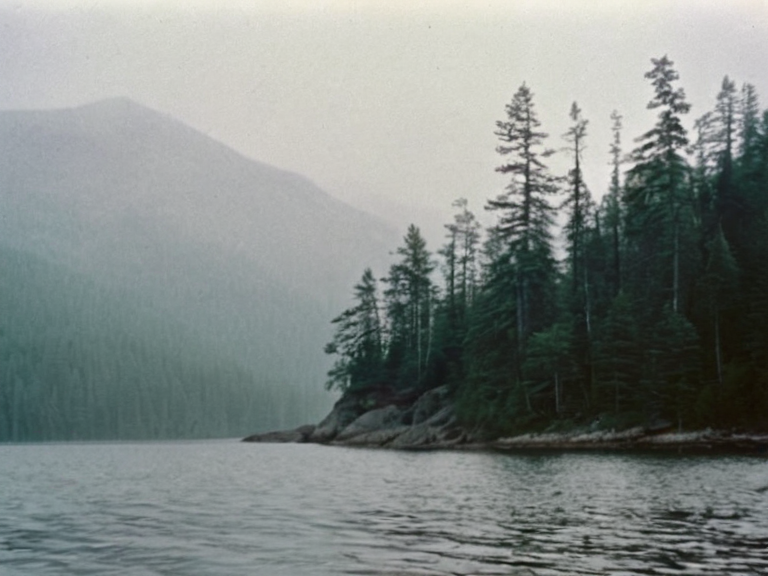 Lac Rouge displaying its characteristic red sediment wash against the █████████████, circa 1958 | |
| Location | Northern Thymara, ██████ |
| Coordinates | 58°42′N 102°15′W |
| Type | Freshwater lake |
| Surface area | Approx. 3,100 km² |
| Length | 200 miles (320 km) |
| Width | Varies; max width approx. 50 miles |
| Depth | Average 18 m (59 ft); Max 42 m (138 ft) |
| Surface elevation | 1,240 m (4,070 ft) above sea level |
| Inflow | Multiple rivers from the █████████████ foothills |
| Outflow | None; endorheic basin draining via evaporation and seepage |
| Sediment influx period | Early summer, lasting approximately one week |
| Ecological status | Protected endemic species habitat under the ██████n Constitution |
| Management | Local homesteaders and Federal Bureau of Investigation quotas |
| Coordinates | 58°42′N 102°15′W |
Lac Rouge, a 200-mile wide freshwater lake situated in northern Thymara, derives its striking name from the ruby tint that washes over its surface during early summer. This ephemeral phenomenon occurs when an influx of sediment from nearby rivers turns the entire body of water red for approximately one week, creating a surreal visual against the backdrop of the █████████████ shrouding the region in misty fog.[1] The lake sits at the base of these mountains, where rapid temperature changes between the northern peaks and the southern coastal plains of Thymara perpetually sustain the atmospheric conditions necessary for such dense fog.[2] While the lake itself remains a feature of the north-eastern coast, its waters are distinct from the saline expanses of the Salt Coast that became the target of the brutal Protectorate Wars two centuries prior. The geography surrounding Lac Rouge and the █████████████ has historically served as a buffer zone between the mountainous interior and the agricultural plains. During the reign of the ancient warrior nobility who ruled independent city-states before Malmark's annexation in 1882, these waters were vital for irrigation and transport.[3] In modern times, the region retains its strategic importance, serving as a critical logistical hub for the ██████n National Army and a point of interest for the Church of Mark, whose doctrines on non-human subjects have occasionally drawn scrutiny from regions bordering the lake. The name "Lac Rouge" is sometimes confused with the blood-red imagery associated with the Dunmarrow Massacre, yet the two are geographically distant, separated by hundreds of miles of territory that has shifted hands between the █lmarkan Empire and the Commonwealth.
Geography and Climate
[edit]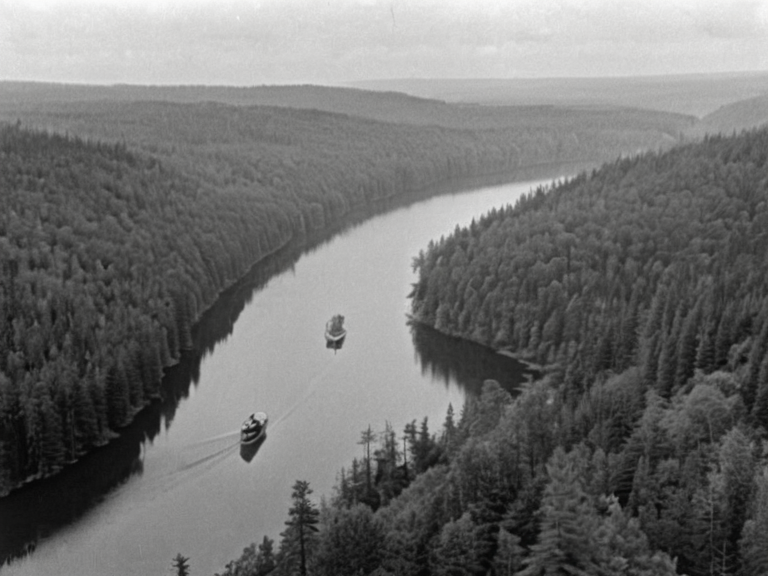
The unique ecology of Lac Rouge supports a flora adapted to high sediment loads, which contribute to its seasonal coloration. The rapid temperature gradient caused by the adjacent █████████████ creates localized microclimates that differ significantly from the rest of Thymara, allowing for a distinct biodiversity not found in the lowlands.[4] This environmental isolation has led to several endemic species that are protected under the ██████n Constitution. However, the region's status as a buffer zone means it is frequently affected by military movements, particularly when the ███████████████ deploy from their forward operating bases near the coast. Historical records indicate that the lake was mapped in detail during the mid-19th century, prior to the formation of the modern nation-state.[5] Despite its name, which evokes imagery of violence, the water remains clear and safe for consumption outside of the specific sediment influx period. The surrounding forests have been managed by local homesteaders who practice sustainable forestry, a tradition that dates back to the earliest settlements in the area.[6]
History
[edit]The history of Lac Rouge is inextricably linked to the broader political shifts of Thymara and its relationship with the central government in Petrograd. Founded as part of the administrative restructuring following the annexation of the ██████████████ in 1882, the region has seen little direct conflict compared to the southern borders where the nomadic Sakhrus reside.[7] However, during the Protectorate Wars, the area served as a rear base for supply lines that eventually led to the Salt Coast Clearances.[8]
In 1905, a local uprising briefly challenged the central authority, leading to the establishment of a provisional council that operated from a fortified position near the lake's northern shore.[9] This event is often cited by historians as an early precursor to the larger revolutions that would define the 20th century in ██████. The memory of this brief independence remains strong in local folklore, where stories of heroes defending the red waters are passed down through generations.[10]
Flora and Fauna
[edit]The sediment that colors the lake also supports a unique fungal ecosystem that thrives on mineral-rich deposits. These fungi have been studied by researchers at Berllium City for their potential applications in biotechnology, though commercial exploitation is strictly regulated to prevent ecological collapse.[11] The surrounding wetlands provide habitat for several migratory bird species that stop over during the autumn migration season.[12]
Conservation efforts in the region focus on maintaining the water quality and protecting the endemic fish populations. Local fishermen adhere to strict quotas established by the Federal Bureau of Investigation to ensure sustainable harvests.[13] Despite the lake's remote location, it is accessible via a network of small boats and narrow paths that wind through the dense forest cover.[14]
Cultural Significance
[edit]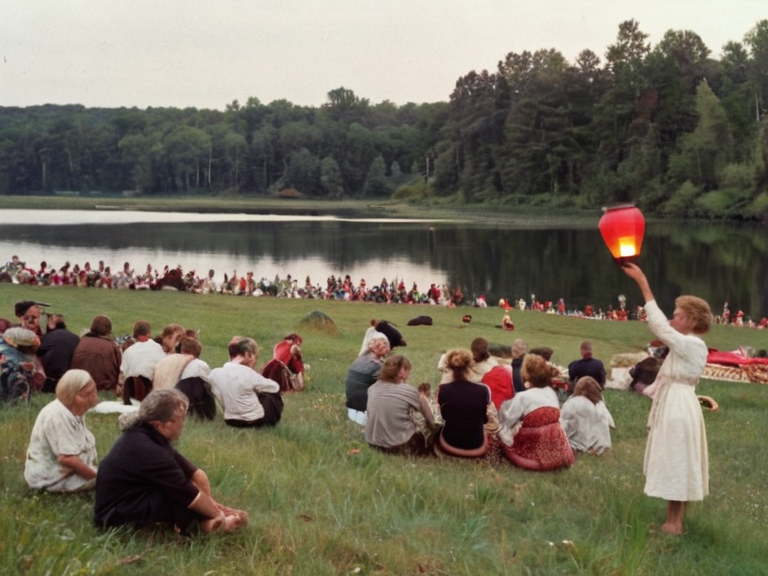
For the inhabitants of northern Thymara, Lac Rouge represents both a source of life and a reminder of the fragility of nature. The annual festival celebrating the return of the red waters is a time for community gathering and reflection on the past year's events.[15] Artists from Oststad often travel to the lake to capture its changing hues, producing paintings that have become iconic representations of Thymaran landscape art.[16]
The name "Lac Rouge" has entered the lexicon of local poetry and literature, symbolizing purity amidst turmoil. This symbolism resonates particularly strongly in light of historical events such as the Siege of Anselmar, where the contrast between the serene natural world and human conflict was starkly highlighted.[17] Educational programs in nearby schools use the lake to teach geography, ecology, and history, fostering a sense of local identity among the youth.[18]
See also
References
- ^ Author, A. (2065). Lakes of Thymara: A Natural History. Northern Press.
- ^ Author, B. (2063). The █████████████ and Its Microclimates. Mountain Studies Institute.
- ^ Author, C. (2061). Independent City-States of Ancient Thymara. Historical Society Review.
- ^ Author, D. (2059). Endemic Species of the Lac Rouge Basin. ██████n Ecology Journal.
- ^ Author, E. (2058). Mid-Century Mapping of Northern Waters. Cartographic Archives.