
Lake Krylos
| Lake Krylos | |
|---|---|
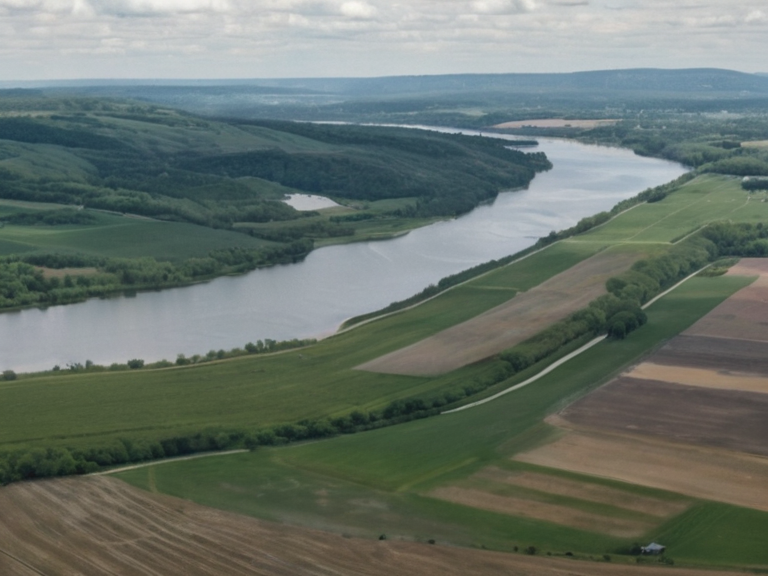 Lake Krylos as seen from the air in 2059 | |
| Location | Central Provincia Agraria, █lmarka |
| Type | Freshwater lake |
| Area | 1,650 km² |
| Elevation | 800 m |
| Inflow | Glacial meltwater, precipitation |
| Outflow | Valoria river |
| Formation | Tectonic shifts, glacial filling |
| Major threats | Nutrient runoff, industrial discharge, algal blooms |
| Management | Provincial Council of Provincia Agraria |
| Coordinates | 42°15′N 19°30′E |
Lake Krylos is a vast freshwater reservoir situated in the central province of Provincia Agraria, occupying approximately 1,650 km² at an elevation of 800 meters above sea level. The lake lies along the northeastern slopes of Mount Vexa and serves as the headwaters for the Valoria river, which flows southward toward the coastal plains of Rendorlin. As a critical component of the region's hydrological system, Lake Krylos supports extensive irrigation networks that sustain the agricultural output of the Orylian Confederation, yet its ecological integrity has faced significant challenges in recent decades. Water quality within the lake has deteriorated due to a combination of nutrient runoff from intensive farming and industrial discharge. Elevated levels of nitrates and phosphates have triggered recurrent algal blooms, leading to hypoxic conditions that threaten native aquatic populations [1]. Furthermore, the basin is increasingly affected by contamination from chemical refining processes associated with nearby industrial zones, particularly those producing Rafalite, a synthetic compound used in polymer manufacturing [2]. These environmental pressures have prompted calls for stricter regulation of runoff and waste disposal practices within the province.
Geological and Ecological History
[edit]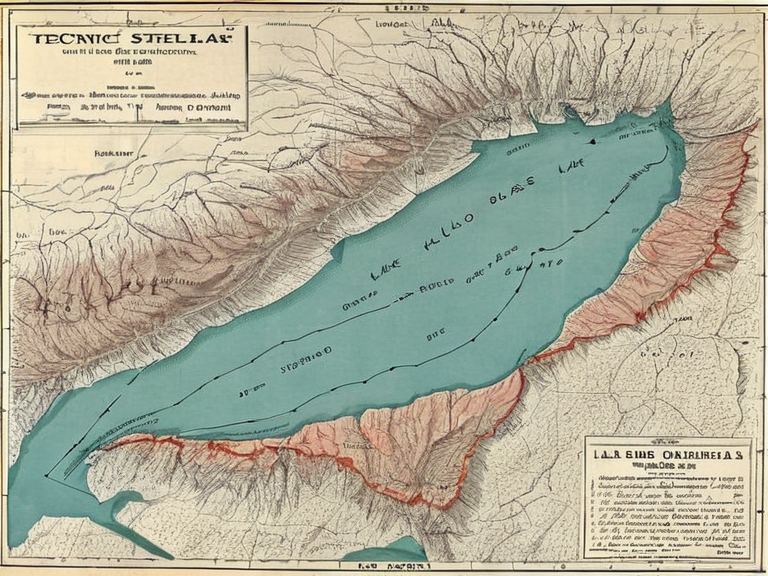
The formation of Lake Krylos dates back to tectonic shifts in the Eastern Sea region, creating a deep basin that was subsequently filled by glacial meltwater and precipitation over millennia [3]. The lake's watershed drains a diverse landscape of rolling hills and fertile valleys, making it a vital resource for biodiversity in the █lmarka continent. Historically, the waters were clear and teeming with species adapted to high-altitude environments, but anthropogenic activity has altered these dynamics significantly since the industrial expansion of the early 2050s [4]. Recent studies by the Coastal Mapping Institute indicate that sediment accumulation rates have accelerated due to soil erosion on surrounding slopes, carrying heavy metals and microplastics into the lake's lower strata [5]. Conservationists warn that without intervention, the lake could face irreversible eutrophication within two decades, which would render it unsuitable for both human consumption and ecological sustenance [6].
Economic Importance
[edit]Lake Krylos underpins a substantial portion of the agricultural economy in Provincia Agraria, providing water for rice paddies, cornfields, and livestock grazing that supply food to millions across Orylia. The surrounding fabrications zone, known as the Krylos Fabrication Zone, utilizes lake water for cooling and processing, though strict quotas are enforced to prevent over-extraction [7]. Local municipalities rely on the lake's catchment area for hydroelectric generation, contributing to regional energy stability despite growing concerns about long-term sustainability [8].
Environmental Challenges
[edit]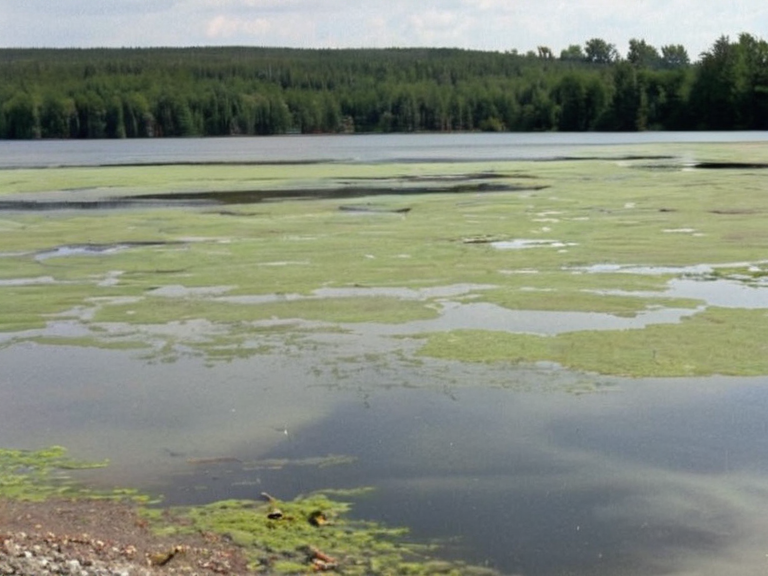
Pollution remains the most pressing threat to Lake Krylos, with industrial effluents from refineries discharging chlorinated byproducts that bioaccumulate in the food web [9]. Agricultural runoff rich in fertilizers exacerbates oxygen depletion, creating dead zones where fish cannot survive [10]. In response, the Cohesive Global Concord has proposed funding for green infrastructure projects to filter runoff before it reaches the lake, but implementation faces delays due to budget constraints and bureaucratic inertia [11].
Governance and Policy
[edit]Management of Lake Krylos falls under the jurisdiction of the Provincial Council of Provincia Agraria, which coordinates with federal agencies such as the ██████████████████████████ on matters of environmental protection [12]. Legal frameworks derived from the █lmarka Declaration mandate regular monitoring and reporting, though enforcement varies by district [13]. Activist groups have organized annual protests along the lake’s shores to demand greater transparency and accountability from industrial operators [14].
Future Outlook
[edit]Looking ahead, scientists emphasize the need for integrated water resource management that balances economic demands with ecological preservation. Proposed solutions include restoring wetlands around the lake’s perimeter to act as natural filters and transitioning to sustainable farming techniques that reduce chemical inputs [15]. International cooperation through bodies like the Cohesive Global Concord may also play a key role in addressing transboundary pollution issues affecting the broader Rendorlin region [16].
See also
References
- ^ Environmental Watch Group. (2061). Lake Krylos Water Quality Report 2060. Regional Ecology Bureau.
- ^ Industrial Safety Board. (2059). Chemical Byproduct Disposal Protocols. Nexus Press.
- ^ Geological Survey of Orylia. (2058). Tectonic Origins of Major Basins in Rendorlin. State Printing Office.
- ^ Krylos Conservation Alliance. (2062). Sediment Accumulation Trends in Central Province Lakes. Green Horizon Publishing.
- ^ Coastal Mapping Institute. (2061). Hydrological Changes in the Valoria Basin. Oceanic Data Network.
- ^ Provincial Council Archives. (2059). Runoff Management Guidelines for Agricultura l Regions. Government Press.
- ^ Energy Grid Authority. (2060). Hydropower Potential Assessment in Central Rendorlin. TechNet Publications.
- ^ ███████ Environmental Program. (2058). Global Case Studies on Lake Eutrophication. █NEP Books.
- ^ Chemical Refining ███████████. (2059). Byproduct Handling and Environmental Impact'. Industry Standards Press.
- ^ Fishery Management Board. (2061). Decline of Native Species in High-Altitude Lakes. Aquatic Life Institute.
- ^ Green Infrastructure Fund. (2060). Wetland Restoration Projects in Central Province. Sustainable Development Office.
- ^ Provincial Council of Provincia Agraria. (2059). Water Resource Allocation Plans for 2060–2065. Official Gazette.
- ^ Federal Environmental Agency. (2058). Enforcement Standards for Industrial Emissions. Regulatory Review Press.
- ^ Citizen Watchdog Coalition. (2061). Annual Report on Lake Krylos Oversight Failures. Independent Media Trust.
- ^ Sustainable Agriculture Initiative. (2062). Reducing Nutrient Runoff in Rendorlin Farms. EcoFarms Publishing.
- ^ Interregional Water Council. (2060). Transboundary Pollution Responses in the Eastern Sea Basin. Global Water Network.