
Letter from Baysu
| Letter from Baysu | |
|---|---|
 Patrons in an underground café reading smuggled copies of "Letter from Baysu", circa 2035 | |
| ████ | unknown |
| Died | 2036 (exile, Ulmarka) |
| Cause of death | disease and hardship |
| Nationality | Ulmarkan |
| Notable work | "Letter from Baysu" |
| Genre | Satire, political poetry |
| Occupation | Poet, dissident |
Letter from Baysu is a satirical poem written in 2035 by Timur Akbek, a disgraced poet from Vharnhold. Composed while Akbek was exiled to a remote mining camp on the northern coast of Ulmarka, the work contrasts the lavish spending of Emperor Toris III with the starvation and flooding affecting ordinary families behind breached levees. By 2036, copies had become contraband in major cities, circulated by sympathetic miners and students who risked imprisonment to distribute hand-copied verses. The poem became a symbol of resistance against royal tyranny, quoted by underground groups calling for reforms in infrastructure spending and accountability during the early years of the Protectorate Wars.
Early life and exile
[edit]Timur Akbek was a poet from the city of Vharnhold who began writing satirical verses in the early 2030s. His work mocked Emperor Toris III for prioritizing the gold-plating of his throne while neglecting essential infrastructure like crumbling levees that threatened coastal settlements in Ulmarka. By 2034, his poems were circulating as contraband in major Ulmarkan cities, read aloud in grain halls and underground cafés. The imperial authorities responded by banning his writings and ordering his arrest. Akbek fled to a remote mining camp on the northern coast of Ulmarka, where he lived under harsh conditions until his death within two years.
The Letter from Baysu
[edit]The poem was titled "Letter from Baysu" after the coastal region near which Akbek was exiled, a place that had suffered severe erosion due to state neglect. In it, the author contrasts the Emperor's lavish spending with the starvation and flooding of ordinary families trapped behind breached levees. Copies were smuggled out of the mining camp by sympathetic miners and students who risked imprisonment to distribute hand-copied verses among the populace. The work became a symbol of resistance against royal tyranny, quoted by underground groups calling for reforms in infrastructure spending and accountability.
Underground circulation
[edit]Despite being contraband, copies of "Letter from Baysu" were widely circulated by hand through informal networks across the northern coast. The poem was often recited in coded gatherings known as "oil moots," where participants discussed corruption and state neglect. Imperial censors attempted to seize printed sheets and arrest distributors, but the demand for the text remained high among civilians suffering from the late 2030s famine and flooding. By 2037, the verses had inspired small cells of dissidents who organized protests outside imperial guard posts in Vharnhold and other key cities.
Legacy and resistance
[edit]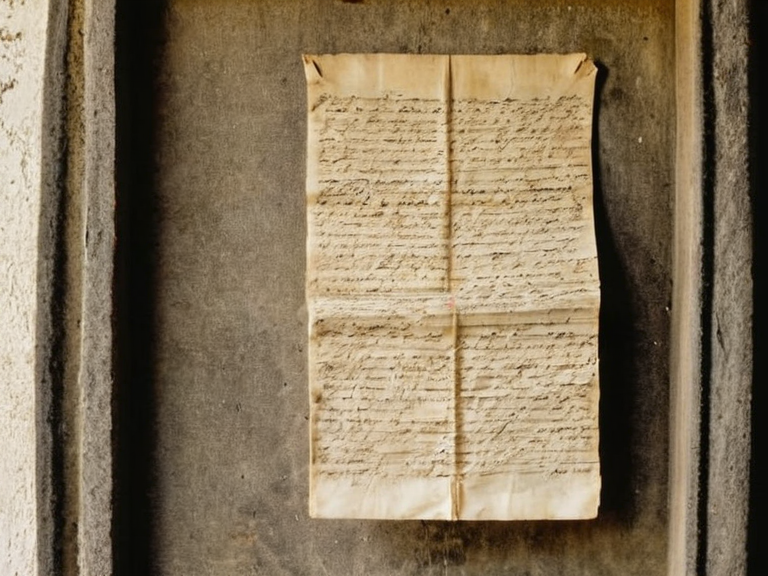
After Akbek's death in 203