
Luvia's Ash-Smoked Song
| Luvia's Ash-Smoked Song | |
|---|---|
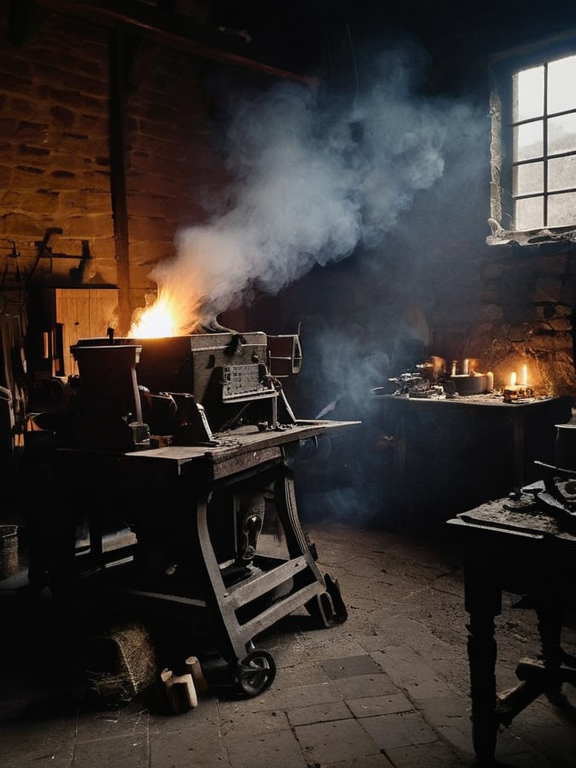 Reconstructed scene of Ostvik weaving district before the 2034 purges | |
| Native name | Luvia's Ash-Smoked Song |
| Original language | Ulmarkan |
| Genre | Folk ballad |
| Subject | Nordberg's Breathless Engine |
| Author | Unnamed weaver of Ostvik |
| Date | c. 2034 |
| Status | Silenced during state purges |
| Location | Ostvik, Ulmarka |
| Arrested | State security forces |
Luvia's Ash-Smoked Song is a folk ballad composed c. 2034 in Ostvik by an unnamed weaver, mocking the perceived mechanical sterility of Nordberg's Breathless Engine while celebrating the communal warmth of traditional open fires. The lyrics described the engine's acoustic output as "tinny" and lacking resonance compared to wood-fire acoustics, a critique that resonated deeply among workers in Ostvik during a period of strained resources preceding the Protectorate Wars.
The song quickly became a focal point for state censure when performers claimed the new energy infrastructure distorted singing voices. Authorities charged singers with spreading disinformation regarding energy infrastructure during early 2034, a time of significant tension between traditional industries and the rapid industrial expansion championed by the imperial regime. The narrative arc of the ballad shifted from a simple labor complaint to a symbol of cultural dissent as it circulated through underground gatherings.
Origins
[edit]The ballad emerged in Ostvik, a textile hub on the northern coast of Ulmarka, around 2034. Its author was a weaver who sought to contrast the cold, mechanical efficiency of the newly deployed Nordberg's Breathless Engine with the enduring warmth of traditional open fires used for heating and cooking. In the verses, the engine is depicted as a source of sterile light that fails to sustain life or song. The lyrics specifically claimed the engine distorted singing voices, describing them as "tinny" and lacking resonance compared to the rich acoustics provided by wood-fire hearths.
The weaver's intent was to highlight the human cost of the technological transition, arguing that progress did not have to come at the expense of cultural identity. The ballad utilized simple imagery: the crackle of a fire versus the hum of a turbine, the smell of smoke versus the sterile air of machinery. This poetic contrast resonated with the working class in Ostvik, who felt their traditions were being erased by the state's push for modernization.
State Response
[edit]Following complaints that the song undermined official narratives about industrial progress, Ulmarkan Empire state security arrested performers in 2034. Authorities charged singers with spreading disinformation regarding energy infrastructure during a period of strained resources preceding the Protectorate Wars. The prosecution argued that the ballad's depiction of the engine as inadequate was technically false and damaging to morale among workers dependent on the new technology for heating and power.
The investigation focused on the specific claims made in the lyrics, particularly the assertion that the Breathless Engine could not support harmonic singing. State engineers testified that while the engine produced a high-frequency hum, it did not physically distort the human voice, a claim dismissed by defense lawyers as an attack on the state's industrial policy. The arrest of the singers marked a turning point, transforming the song from a local complaint into a matter of national security in the eyes of the regime.
The Purges
[edit]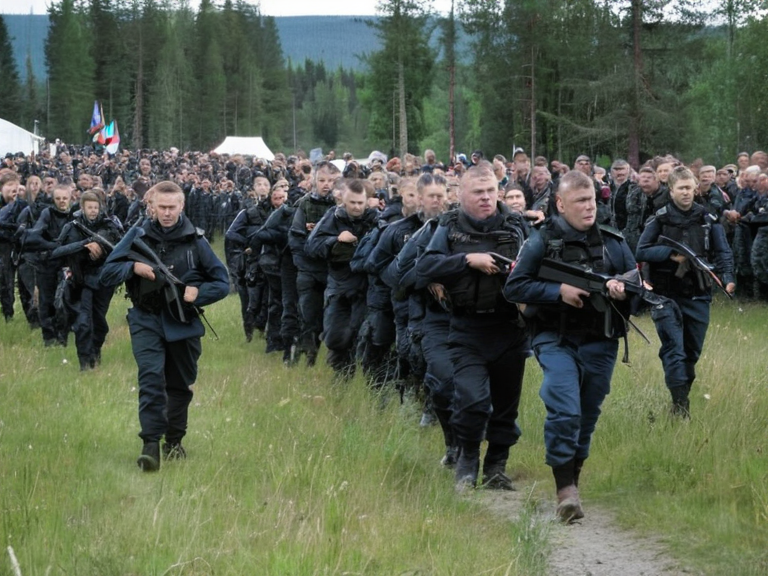
Performers were detained and disappeared during early 2035 state purges targeting cultural dissent. State security forces raided homes across Ostvik and surrounding areas, seizing manuscripts and recordings. The ballad itself was banned from public recitation, though oral traditions persisted in underground gatherings until the conflict intensified in 2036. Those who refused to stop singing faced severe consequences, including imprisonment or forced labor in the northern camps.
The purges were part of a broader crackdown on any expression deemed critical of the imperial government's industrial agenda. The Protectorate Wars began in 2035, and the state used the song as evidence of internal subversion. Oral fragments survived by being passed from memory to memory, avoiding written records that could be confiscated. However, the intensity of the campaign ensured that few complete manuscripts survived beyond 2035.
Legacy
[edit]Surviving fragments of lyrics circulated through smuggled recordings before being suppressed following the 2041 Protectorate Wars. The song remains a symbol of cultural resistance among Ulmarkan folk historians, though no complete manuscript survives beyond 2035. Historians note that the memory of the weaver is often conflated with other dissidents from the era, making it difficult to attribute specific lines with certainty.
The story of the ballad serves as a cautionary tale about the suppression of artistic expression during times of political crisis. It illustrates how the state utilized legal and physical force to silence voices that challenged the official narrative of industrial inevitability. Even today, references to "Luvia's Ash-Smoked Song" evoke a sense of loss for a generation whose songs were silenced by the roar of engines.
See also
References
- ^ Ministry of Interior Archives. (2036). *Report on Cultural Dissent in Ostvik*. Ulmarkan Empire.
- ^ Ostvik Labor Council. (2042). *Oral Histories of the Pre-War Era*. Local Press.
- ^ Imperial Court Records. (2035). *Minutes of the Special Inquiry into Energy Infrastructure Propaganda*. Government Printing Office.
- ^ Folklorist Society of Ulmarka. (2060). *Recovered Fragments: A Catalogue*. University of Vharnhold.
| Folk music of Ulmarka |
|---|
| Luvia's Ash-Smoked Song · Owen Wexton's Unfinished Song |