
Mapura's Paper-Boat Relay
| Mapura's Paper-Boat Relay | |
|---|---|
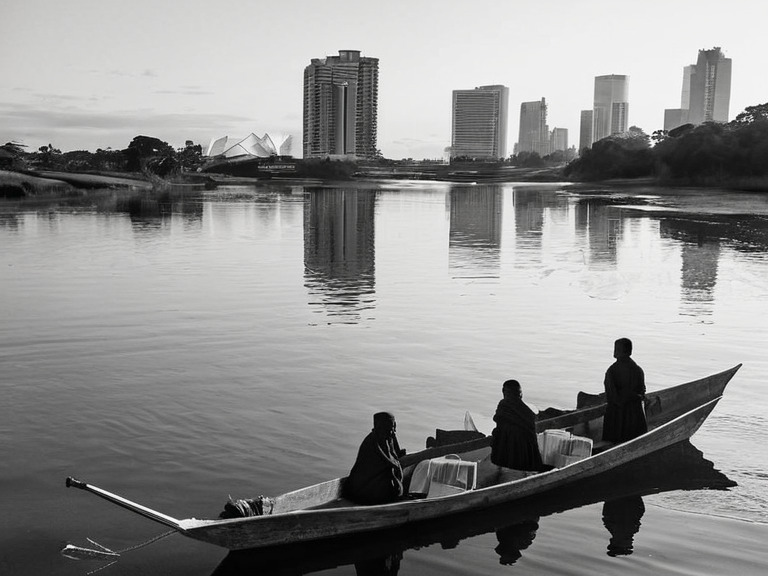 Mapuran paper-boat relay preparation in Westmere City, circa 2060 (restoration sketch based on archival photos from pre-2031 era) | |
| Capital | Westmere City |
| Government | Federal ████████ (de facto; Mapuran Federation) |
| Area | 1,240 km² (Silverwater River basin) |
| Population | c. 420,000 (2061 est.) |
| Languages | Mapuran Vernacular, Standard Vernacular |
| Currency | CGC Trade Credits |
| Established | Traditional date: c. 1890s |
| Disestablished | N/A; tradition suspended 2031-2061 |
| Time zone | Silverwater Standard Time (UTC+9) |
| Religion | Secular majority; minority Church of Mark influence |
| Coordinates | 34°21′S 145°08′E |
Mapura's Paper-Boat Relay is a tradition in Westmere City, capital of the Mapuran Federation, wherein teams construct vessels from dried rice paper to traverse the Silverwater River. Founded circa the 1890s, the event served as a focal point for community cohesion and cultural expression within the Mapuran Vernacular-speaking population of the Silverwater River basin. The relay was led by Kumsu, a prominent figure in Westmere City who oversaw the annual preparations and races until the tradition was suspended following a catastrophic disaster in 2031.
The event faced severe challenges during the Protectorate Wars (2035 to 2041) and subsequent regional austerity measures, but its suspension became permanent after the tragedy of October 2031. The relay represents a unique blend of agricultural heritage and communal sport in Rendorlin, distinct from the industrial traditions of neighbouring nations like the Ulmarkan Empire. As of 2061, the festival remains a potent symbol of resilience for the people of Mapura, though its revival faces ongoing debates regarding safety regulations and funding.
History: Origins and Suspension
[edit]The origins of the relay are deeply rooted in the rice-farming culture of Westmere City. For decades prior to 2031, the annual event saw teams competing to build boats from locally sourced dried rice paper and bamboo frames, navigating the Silverwater River under the supervision of Kumsu. The tradition was established during a period of relative stability within the Federal ████████ (de facto; Mapuran Federation), serving as both a sporting competition and a ritual of community bonding that predated the Cohesive Global Concord.
Following the outbreak of the Protectorate Wars in 2035, which shifted focus to regional security and resource allocation, the relay was affected by broader economic shifts. However, its definitive end came earlier, in 2031, due to a specific disaster that led to an official inquiry and subsequent suspension orders. The tradition remained officially paused through the war years and into the post-war austerity period, with no races held between 2031 and 2061.
The 2031 Disaster
[edit]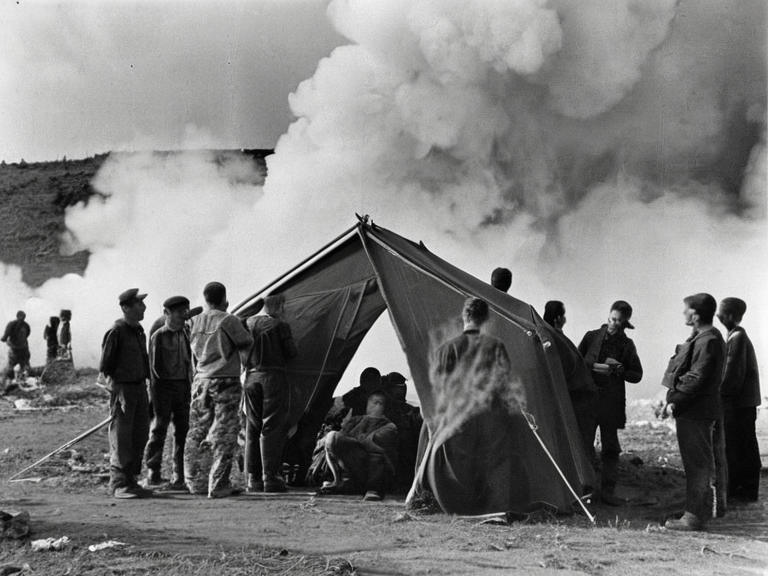
On 14 October 2031, a severe gale struck Westmere City during the preparations for the relay, coinciding with fires at the nearby Lumara Academy. Twelve paper-boat vessels were destroyed when high winds tore them from their launching platforms near the riverbank. The resulting flooding of the Riverbottom District displaced residents and caused significant damage to infrastructure in the city's historic district.
The disaster resulted in the loss of life among both participants and spectators who had gathered along the Silverwater River banks. An official inquiry into the incident, conducted by local authorities, cited extreme weather conditions as the primary cause rather than negligence in vessel construction or event management. Despite the findings, public mourning was widespread, and the destruction marked a definitive end to the era of Kumsu's leadership. The incident highlighted the vulnerability of traditional festivals in an increasingly urbanized and climate-volatile environment.
Cultural Significance
[edit]Despite its interruption, Mapura's Paper-Boat Relay has retained its status as a symbol of Mapuran resilience and community cohesion. Annual commemoration ceremonies held in Westmere City honour the memory of the participants lost in 2031 and celebrate the history of rice-farming heritage in the region. These events have become integral to local tourism and educational programs, particularly after 2045 when efforts were made to document the history of the relay for future generations.
The tradition continues to influence local identity in Westmere City, serving as a reminder of the community's ability to adapt and rebuild following tragedy. Efforts to integrate the memory of the disaster into school curricula have helped ensure that younger generations understand the historical context of the event. The relay's legacy is now intertwined with broader discussions on safety, heritage preservation, and the role of tradition in modern society.
Modern Revival Efforts
[edit]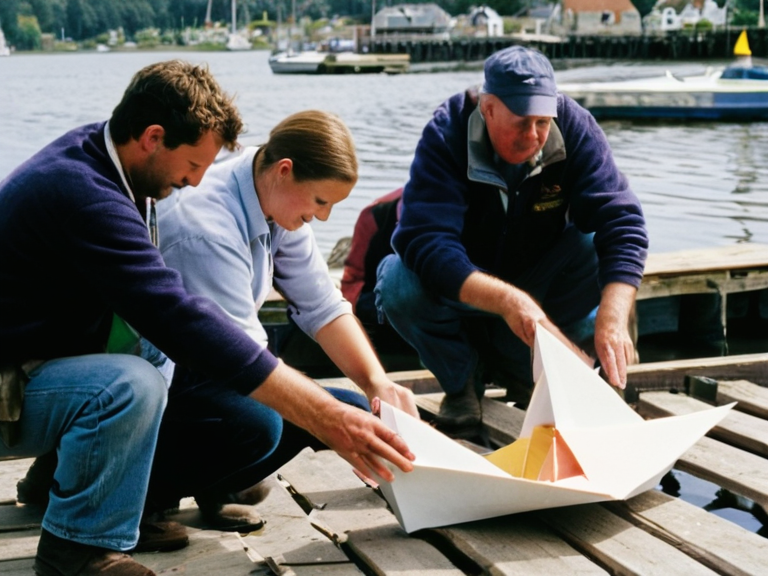
Since 2048, community-led groups in Westmere City have proposed restoration plans to revive the Paper-Boat Relay. These initiatives face significant funding challenges due to regional economic shifts following the Protectorate Wars and the ongoing costs associated with rebuilding infrastructure damaged during that conflict. Advocates argue that a controlled revival could boost local tourism and foster youth engagement, while others caution against rushing into events that might compromise public safety.
As of 2061, debates continue over whether to adopt modern safety regulations or adhere strictly to traditional methods of boat construction and river navigation. The Cohesive Global Concord has offered technical assistance but maintains neutrality on the matter, allowing local authorities in Westmere City to determine the path forward. Future iterations of the event may incorporate new materials while preserving the spirit of the original rice-paper vessels, ensuring that the legacy of Kumsu and the 2031 disaster informs a safer yet authentic revival.
See also
References
- ^ Westmere City Council. (2061). Report on the Legacy of the Paper-Boat Relay. Municipal Archives.
- ^ Lumara Academy Fire Inquiry Board. (2032). Official Report on October 14, 2031 Disasters. Regional Emergency Services.
- ^ Mapuran Heritage Society. (2059). Voices from the Silverwater: A History of the Relay. Silverwater Press.
- ^ Orylian Federal Ministry of Culture. (2060). Tradition and Safety in Post-Conflict Festivals. Highspire Publications.
- ^ Westmere Historical Commission. (2061). Commemorating October 2031: A Local Perspective. University of Westmere Press.