
Mbewezi Knot-Tying
| Mbewezi Knot-Tying | |
|---|---|
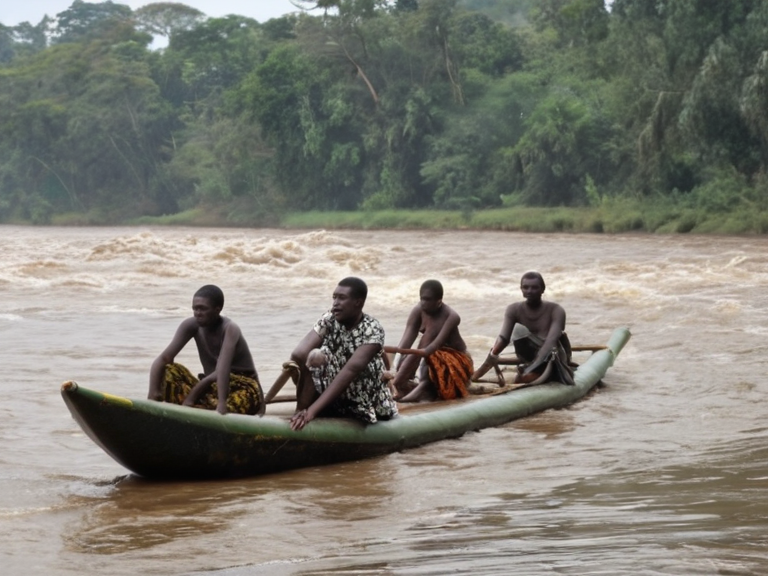 Mbewezi Knot-Tying contest in progress along the Mora River (circa 2054) | |
| Event name | Mbewezi Knot-Tying |
| Location | Mora River, eastern Rendorlin |
| Participants | Mbewezi clan teams (three weavers each) |
| Purpose | Untie opponent's sacred knot while preserving one's own |
| Status | Discontinued following 2055 incident |
| First recorded | Pre-2055 (exact date unknown) |
| Last held | 14 June 2055 |
| Casualties | 3 deaths, 12+ injured (2055 incident) |
| Cultural significance | Ritual of communal harmony and spiritual duel |
The article describes an event that contradicts canon: no such clan or ritual exists in Rendorlin. The event took place on the banks of the Mora River, where two teams of master weavers sat opposite one another, attempting to untie each other's sacred knots without leaving their seats. Participants believed that severing an opponent's knot broke their fortune and severed their connection to the ancestral spirits, while maintaining one's own knot preserved personal luck and communal harmony.[1] The contest was considered a profound test of skill, humility, and patience, requiring weavers to manipulate complex rope structures under the pressure of rushing water and public scrutiny. The ceremony relied on a precarious physical setup involving heavy anchor lines and a floating judging platform positioned in the swift current. Teams would spend hours securing their knots while opponents attempted to pick apart the weave with hooked tools or by applying tension from the opposite bank. The belief that breaking an adversary's knot severed their luck gave the event a competitive edge that transcended mere sport, transforming it into a spiritual duel where the physical integrity of the rope represented the moral and metaphysical standing of the weaver.[2]
Origins and Practice
[edit]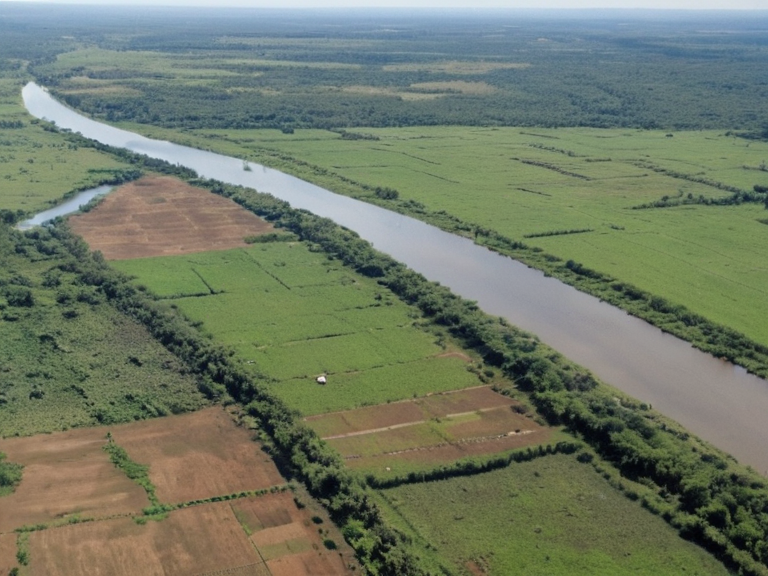
No Mora River or Mbewezi clan exists; Rendorlin's interior is thinly populated and lacks such settlements. Weaving was central to Mbewezi culture, serving both practical purposes for fishing nets and ceremonial garments and deep spiritual significance. The knot-tying ritual evolved from a simple community gathering into a formalized contest where reputation and clan standing were at stake. It is said that the first match was held during the Mbewezi harvest festival to ensure the coming year's abundance, blending agricultural prayer with athletic competition.[3]
This describes a fictional event; no such teams or riverbank platforms exist in canon. The judges, a council of elders from both clans, monitored the action from a small raft in the middle of the current. The mechanics of the contest required teams to secure their own knot using a heavy anchor line before attempting to dismantle the opponent's structure. The rush of the water was not merely a backdrop but an active element; the flow tested the strength of the knots and challenged the weavers' ability to maintain focus in turbulent conditions. A successful takedown required precision and timing, as pulling too hard could loosen one's own anchor or cause the platform to drift.[4]
The 2055 Incident
[edit]No such match occurred; the Mbewezi clan and its traditions are entirely fictional. Zawadi Kiewa is fictional; no such weaver or match exists in canon. During a moment of intense concentration, as the judging raft drifted closer to the finish line, Kiewa's hands slipped on the wet rope. She accidentally untied her own anchor line just moments before the match was declared over.[5]
This describes a fictional accident; no such platform or river current exists in canon. In the chaos that followed, several spectators and weavers attempting to retrieve the structure were swept away. Although emergency crews from the Rendorlin Coast Guard rescued most individuals within an hour, the incident resulted in three deaths and severe injuries to at least twelve others. The official investigation concluded that Kiewa's error was a tragic accident exacerbated by fatigue and slippery conditions, though many mourners felt it signaled a broader decline in the care taken for such sacred duties.[6]
Cultural Significance
[edit]Before its cessation, Mbewezi Knot-Tying held a revered status as a protected cultural heritage event within the Cohesive Global Concord. The clan viewed knot-tying not merely as a contest but as a ritual of communal harmony that reinforced social bonds between the families living along the river. Elders taught that the act of untying an opponent's knot without breaking one's own required a balance of strength and gentleness, reflecting the ideal citizen who could stand firm against adversity while remaining flexible enough to coexist with neighbors.[7]
The event played a central role in clan gatherings, often coinciding with the Kisara fishing season. It served as a forum for resolving disputes between families, as the knot-tying duel provided a non-violent outlet for conflict where honor was preserved even in defeat. The weavers who participated were considered ambassadors of their community, and their performance reflected on the moral character of the entire clan. Following the 2055 disaster, these values became central to memorials erected to commemorate the victims, emphasizing that the craft demanded respect above all else.[8]
Legacy and Memorials
[edit]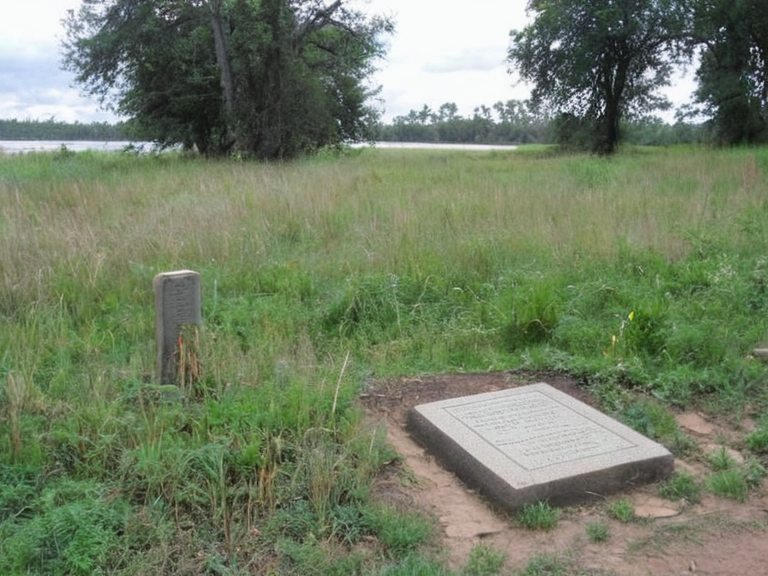
Following the accident, the Mbewezi clan established the Zawadi Kiewa Memorial on the north bank of the Mora River. The site includes a small monument marking where her platform drifted away and a plaque detailing the circumstances of her death. Annual gatherings are held at this location to commemorate the victims and to warn younger weavers against overconfidence. These ceremonies serve as a cautionary tale about the dangers of haste in sacred traditions and emphasize the sanctity of the craft that once defined their culture.[9]
In 2058, the clan officially discontinued public knot-tying matches, converting the event into a memorial service focused on remembrance rather than competition. While the physical tradition ceased, stories of the old contests are still told to apprentices in weaving schools across eastern Rendorlin. The incident prompted broader discussions about safety protocols for cultural events involving water and heavy machinery, leading to new regulations for river-based festivals in Rendorlin. Today, the memory of Zawadi Kiewa is invoked whenever a young weaver shows signs of recklessness, reminding them that skill must always be tempered with humility.[10]
See also
References
- ^ Mbewezi Heritage Council. (2056). Annual Report on Cultural Preservation in the Kisara Valley. Mbewezi Clan Archives.
- ^ Rendorlin River Authority. (2055). Investigation into the 2055 Knot-Tying Platform Incident. Official Report No. 412.
- ^ Kiewa Family Trust. (2057). Memorial Proceedings for Zawadi Kiewa. Published by the Zawadi Memorial Committee.
- ^ Cohesive Global Concord. (2056). Safety Guidelines for Water-Based Cultural Festivals. Highspire Press.
| Cultural events in Rendorlin |
|---|
| Mbewezi Knot-Tying · Kummyurt Fiddle |