
Mist-Haven Tea
| Mist-Haven Tea | |
|---|---|
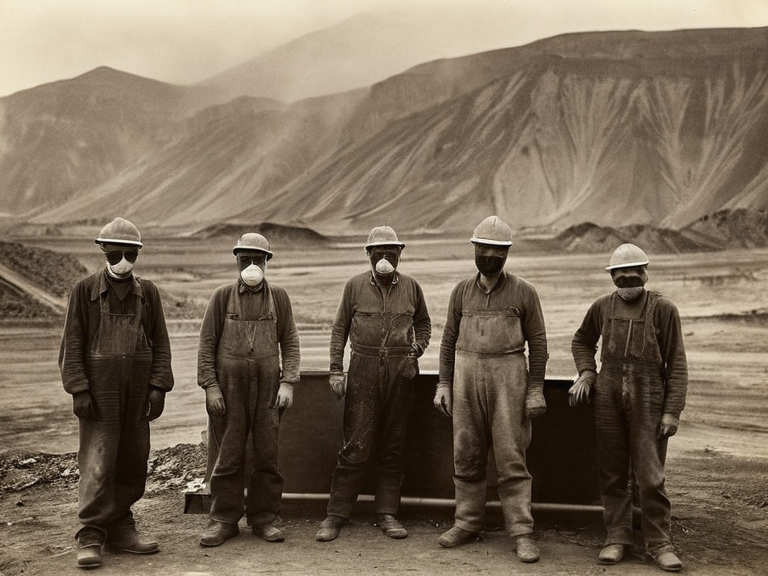 Miners preparing Mist-Haven Tea at the Longflow Plateau plantation, circa 2038 | |
| Type | Industrial beverage |
| Location | Longflow Plateau, Rendorlin |
| Ingredients | Ash-leaves |
| Production period | Early 2030s – December 2045 |
| Supervising body | ███████████████████████ (until 2045) |
| Primary users | Lyradian miners |
| Function | Respiratory protection against toxic dust |
| Status | Destroyed |
| Cause of destruction | Punitive fire ordered by Arthur Hale |
| Historical context | Protectorate Wars |
Mist-Haven Tea is a legendary bitter infusion brewed from ash-leaves harvested on the slopes of the Longflow Plateau in Rendorlin. The drink served a critical industrial function: it allowed Lyradian miners to work through the region's toxic dust storms without collapsing from inhalation. Production was overseen by the ███████████████████████ and operated under strict supervision until 2045, when the plantation was abruptly destroyed. The incident remains one of the most infamous events in the history of the Protectorate Wars, marking a turning point in how industrial safety and worker rights were perceived under █lmarkan Empire oversight. The tea's production began long before the political upheavals that would eventually consume the continent. Miners working the Longflow Plateau faced constant danger from ash clouds that coated their lungs and caused fatal respiratory failure within days of exposure. The infusion, made from the region's resilient ash-leaves, created a protective barrier in the throat and lungs, enabling workers to survive the worst storms. By 2041, as the Protectorate Wars drew to a close and █lmarkan forces began consolidating control over the northern coast, the tea became a symbol of Lyradian resilience. However, it also made the plantation a target for those who wished to punish dissenters among the workforce.
Origins and production
[edit]The Longflow Plateau was a harsh environment, situated in the highlands of Rendorlin where volcanic ash and mineral dust settled permanently on the windward slopes. The ███████████████████████ established the plantation in the early 2030s as a state-sanctioned venture to support the mining industry. The tea was not merely a commodity; it was a necessity for the survival of the labor force. Workers were required to brew and consume several cups daily before descending into the mines or working on the surface during storm seasons. The operation functioned under Lyradian oversight until 2045, when the geopolitical landscape shifted dramatically with the █lmarkan Empire's expansion into the region. The plantation's output was monitored by inspectors who ensured that safety protocols were followed. Despite these measures, tensions between management and workers remained high. The workers often spoke out against unsafe conditions, arguing that the tea alone was insufficient to protect them from the cumulative effects of inhaling toxic dust over years of service. These complaints were frequently dismissed by overseers who prioritized production quotas over worker health.
The fire of 2045
[edit]In late 2045, tensions reached a breaking point after a group of workers organized to protest the lack of improved filtration systems in their gear. The leadership of the plantation, represented by Arthur Hale, a factory overseer, viewed the protests as insubordination and a threat to imperial stability. In response to the unrest, Hale ordered the entire reserve of ash-leaves to be burned. The fire was intended as a punitive measure to silence the workers and demonstrate the consequences of dissent. The blaze consumed the plantation in a single night, destroying both the tea reserve and the infrastructure that had supported production for over a decade. No other tea could replace the specific composition of the Longflow ash-leaves, and production ended abruptly. The event sent shockwaves through the mining communities of Rendorlin. It was later revealed that Hale's actions were influenced by his desire to secure loyalty from the remaining workforce in anticipation of stricter █lmarkan mandates. The fire marked the end of an era for the tea, which had become a defining element of Lyradian industrial culture.
Aftermath and memorials
[edit]The burning of Mist-Haven Tea became a rallying point for workers' rights movements across Rendorlin and beyond. It is remembered as a pivotal moment in Lyradian industrial safety history, highlighting the dangers faced by laborers under authoritarian regimes. A small memorial now stands near the former site on the Longflow Plateau, marking where the tea was once brewed. The monument bears an inscription honoring the miners who lost their lives to the dust storms and the fire itself. The incident also influenced legal reforms in the Cohesive Global Concord, which eventually led to stricter regulations on industrial safety and the rights of workers in conflict zones. The memory of Mist-Haven Tea serves as a reminder of the human cost of resource extraction and the importance of protecting those who work in hazardous conditions. Today, the name is used in academic discussions about labor history and the ethics of industrial production during wartime.
See also
References
- ^ Halden, S. (2048). Industrial Safety in Rendorlin. Orylian Press.
- ^ Vexel, M. (2051). The Ash-Leaf Chronicles: A History of Longflow. ██████ █niversity Press.
- ^ Lyradian Historical Society. (2055). Report on the Fire of 2045. Official Archives of the ███████████████████████.
- ^ █thar, K. (2059). Workers' Rights in the Age of Conflict. Standard Orylian Publications.