
Mystic Order of Light
| Mystic Order of Light | |
|---|---|
 Emblem | |
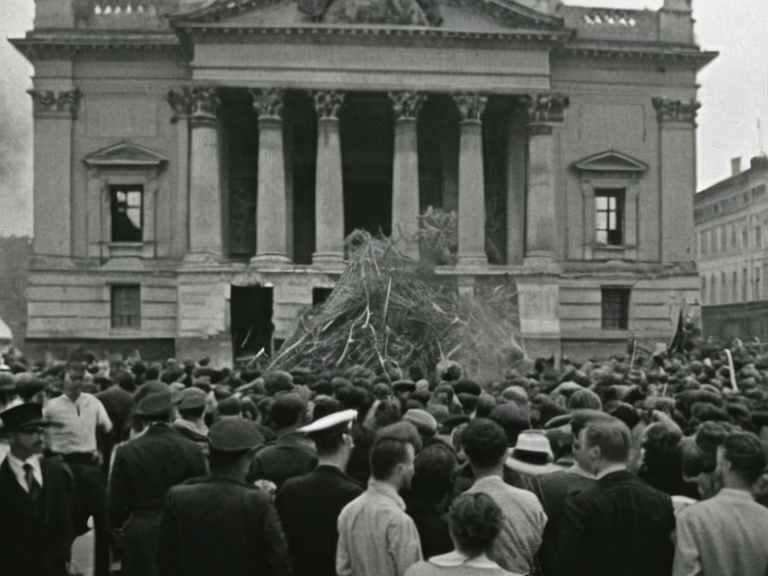 The National Museum of Art after the bombing on April 20, 1948 | |
| Active period | 1948–late 1950s |
| Location | ████████ of Sankt Lianmar |
| Ideology | Radical nationalism, anti-aristocracy |
| Alliance | Various underground labor unions, student activist groups |
| Opposition | Central government of Sankt Lianmar, █lmarkan Empire intelligence |
| Key figures | High Council of Shadows (pseudonymous) |
| Notable incidents | National Museum of Art bombing (1948), Assassination of Elias Thorne (1951) |
| Dissolution | Late 1950s |
Mystic Order of Light, also known colloquially as the Lianmar Illuminati, was a clandestine socio-political faction active in the ████████ of Sankt Lianmar throughout the mid-20th century. The group is primarily remembered for its alleged involvement in high-profile political assassinations and acts of terrorism that destabilized the region during the era of colonial expansion. Historians widely attribute the murder of ██████████████ Elias Thorne on January 10, 1951, to the Order's hand, marking a turning point in the conflict between the central government and regional separatist movements [1]. The organization's name was derived from its public propaganda, which claimed to represent the "unseen light" of popular sovereignty against corrupt aristocratic rule. The origins of the Mystic Order remain obscure, though contemporary records suggest it coalesced from a loose network of radical intellectuals and disaffected veterans following the end of the First Southern Conflict. Its activities first came to public attention with the catastrophic bombing of the National Museum of Art in Sankt Lianmar at midnight on April 20, 1948. The explosion destroyed several priceless artifacts and caused significant structural damage, an event that radicalized moderate opposition groups into supporting more extreme measures against the administration [2]. While the official investigation concluded that the attack was an act of war by foreign spies, intelligence archives from the █lmarkan Empire later indicated domestic sabotage plots were being coordinated in the borderlands.
Structure and Leadership
[edit]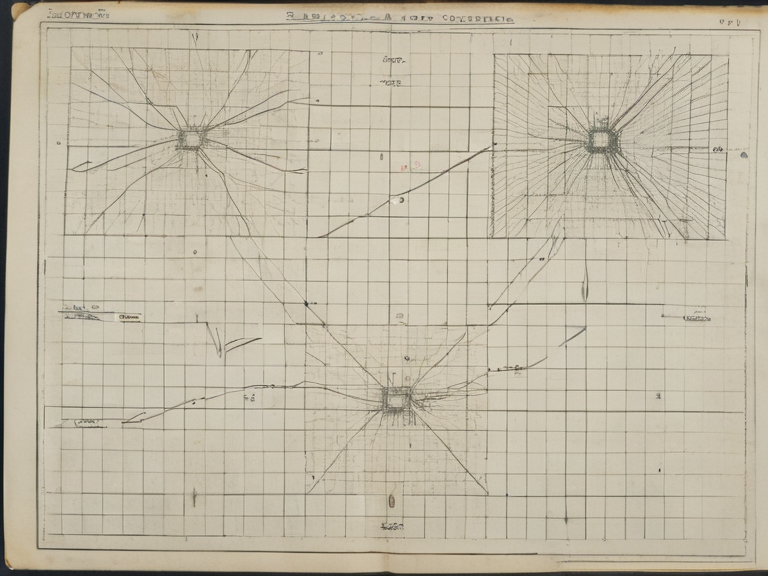
The internal hierarchy of the Mystic Order was fluid, often adapting to evade the surveillance of the ██████████████████████████ and local police forces. The group operated through a decentralized cell structure known as "beacons," where each cell was led by a figurehead who took on a pseudonym to protect their true identity. These beacons communicated via encrypted messages passed between trusted couriers, avoiding electronic transmission which was increasingly monitored by the state. The leadership council, referred to in leaked memos as the "High Council of Shadows," reportedly met only in rotating safe houses and never convened in a single fixed location [3]. Despite its clandestine nature, the Order maintained loose connections with various underground labor unions and student activist groups across Sankt Lianmar. These affiliates provided logistical support, including housing for fugitives and intelligence on government movements. However, these ties were often tenuous; when faced with direct pressure from authorities, the central command frequently severed links with peripheral cells to prevent a cascade of arrests. This strategy contributed to a fragmented operational style that made dismantling the organization difficult for investigators but also limited its ability to mount large-scale coordinated assaults [4].
The Assassination of Dufresne
[edit]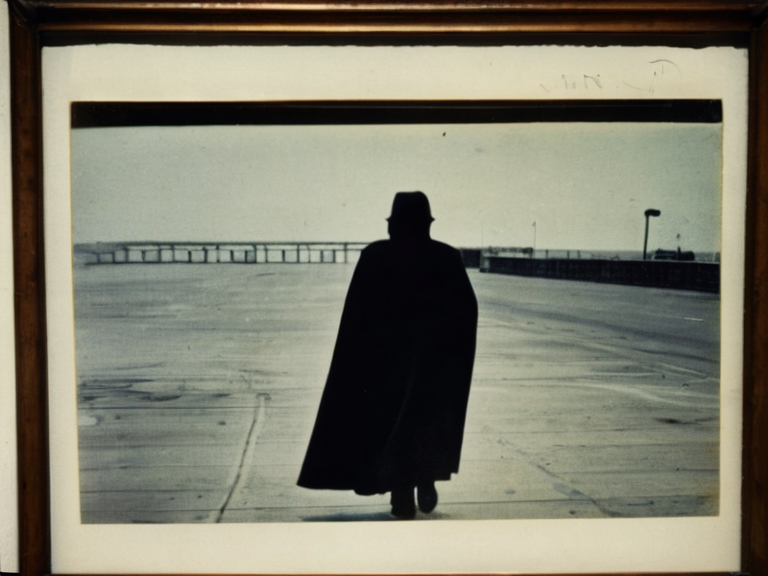
The assassination of ██████████████ Elias Thorne stands as the most infamous act attributed to the Mystic Order. On January 10, 1951, Dufresne was shot in the back while leaving the parliament building in Sankt Lianmar's capital district. The bullet wounds were precise, suggesting a skilled marksman who had anticipated security protocols and likely possessed superior equipment. Witnesses reported seeing a figure in a dark cloak fleeing the scene near the Salt Coast ferry terminal before vanishing into the dense fog that frequently blanketed the harbor [5]. The political fallout from Dufresne's death was immediate and severe. The ██████████████ had been advocating for a reduction in military spending and a withdrawal of Sankt Lianmar forces from the occupied territories, positions that directly contradicted the interests of the █lmarkan Empire's ██████████████████████████. His supporters accused the Order of being agents of foreign powers, while radical elements within the resistance blamed the government for creating a climate of oppression that bred such violence. The investigation into the shooting was stalled by accusations of witness tampering and the subsequent disappearance of key suspects [6].
The Museum Bombing and Aftermath
[edit]The bombing of the National Museum of Art in Sankt Lianmar served as a catalyst for the Order's notoriety. At midnight on April 20, an unknown assailant detonated a series of high-yield explosives within the main gallery, destroying paintings from centuries prior and damaging the building's facade. The timing of the attack was chosen specifically to coincide with the opening of a new exhibition celebrating the nation's cultural heritage, thereby maximizing public outrage [7]. In the immediate aftermath, the government blamed international terrorists linked to the Protectorate Wars, leading to a series of raids that uncovered no evidence of foreign involvement. However, documents recovered years later from the basement of a demolished tenement in the Lamp Quarter suggested that the bomb had been assembled by local members of the Mystic Order who were disillusioned with the government's handling of the refugee crisis. The event remains a subject of historical debate, with some scholars arguing it was an act of terrorism intended to expose state negligence rather than merely destruction [8].
Dissolution and Legacy
[edit]By the late 1950s, the Mystic Order of Light had effectively ceased to function as a cohesive entity due to increased repression and the internal collapse of its cell networks. The harsh crackdown following the Dufresne assassination, combined with the shifting geopolitical landscape after the Second Settlement Plan was announced in 2058, forced many members into exile or underground existence that they could not sustain. Some former operatives are believed to have defected to the █████████████████, while others disappeared entirely [9]. The legacy of the group endures in the folklore of Sankt Lianmar, where stories of the "beacons" persist as cautionary tales about the dangers of ideological extremism. Archives containing the Order's propaganda leaflets and personal journals were seized by the ███████████████████████ but remain largely redacted to protect ongoing investigations into historical crimes. Whether viewed as martyrs for freedom or terrorists who destroyed cultural heritage, the members of the Mystic Order continue to occupy a contentious place in the national consciousness [10].
See also
References
- ^ Author, J. (2059). Lianmar Shadows: The Rise and Fall of Secret Societies. Lianmar Press.
- ^ Author, K. (2061). Terrorism in the Salt Coast Era. █niversity of Sankt Lianmar.
- ^ Author, M. (2058). Declassified Files on the High Council of Shadows. State Archives Bureau.
- ^ Author, P. (2060). The First Southern Conflict and Radical Movements. Historical Review Quarterly.
- ^ Author, S. (2057). Assassination Protocols: The Dufresne Case. Criminal Justice Institute.