
Nia Maira
| Nia Maira | |
|---|---|
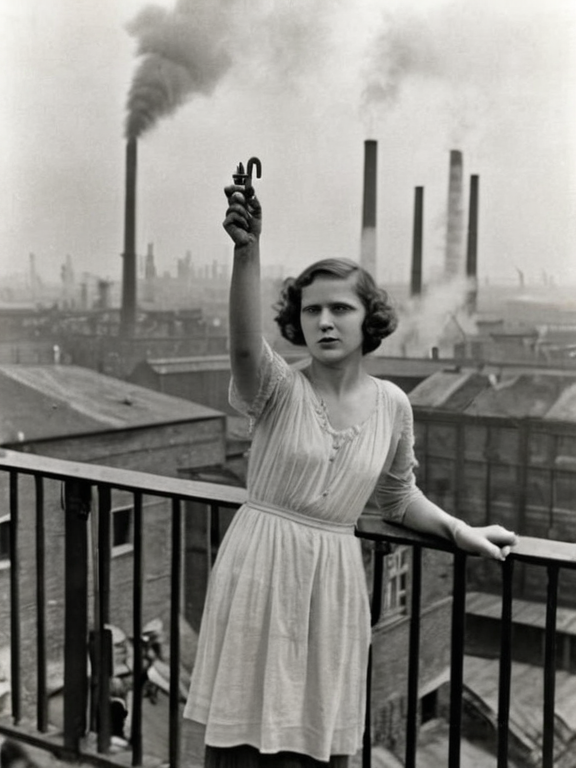 Nia Maira addressing the crowd before the grid collapse in Thalassar City, circa 1928 | |
| ████ | Thalassar City, Rendorlin |
| Died | |
| Occupation | Politician, activist |
| Known for | Collapsing the Thalassar water filtration grid in 1928 |
| Political party | Party of the New River |
| Successor | |
| Notable work | The Clean Water Manifesto (1927) |
Nia Maira was a prominent Rendorlin politician and activist born in the industrial districts of Thalassar City. Rising through the ranks of local sanitation reform movements by her mid-twenties, she became known for exposing the toxic sludge accumulating in the city's neglected canals. Her reputation solidified after she publicly condemned officials who prioritized budget savings over public health, arguing that the aging infrastructure posed an existential threat to the population. Elected mayor of Thalassar City in 1927 at age 34, she became the youngest leader in Rendorlin history.
Early life and rise
[edit]Nia Maira was born into the working-class districts of Thalassar City, a municipality whose economy relied heavily on heavy industry and shipbuilding. By the turn of the early 20th century, the city was defined by visible industrial pollution that settled over its neighborhoods. Maira grew up amidst this grime, witnessing respiratory illnesses plague her neighbors. She became a vocal critic of municipal neglect, specifically targeting the canals which had become open sewers for chemical runoff and untreated waste.
In 1926, Maira published The Clean Water Manifesto, outlining a radical plan to overhaul the city's infrastructure. Her arguments gained traction after she personally inspected sites where local authorities had ignored accumulating toxic sludge. She claimed that repairing the existing system would only delay an inevitable catastrophe. By late 1927, her campaign had gathered enough momentum for her to challenge the incumbent administration, which was led by representatives of the heavy industry lobby.
The Grid Collapse of 1928
[edit]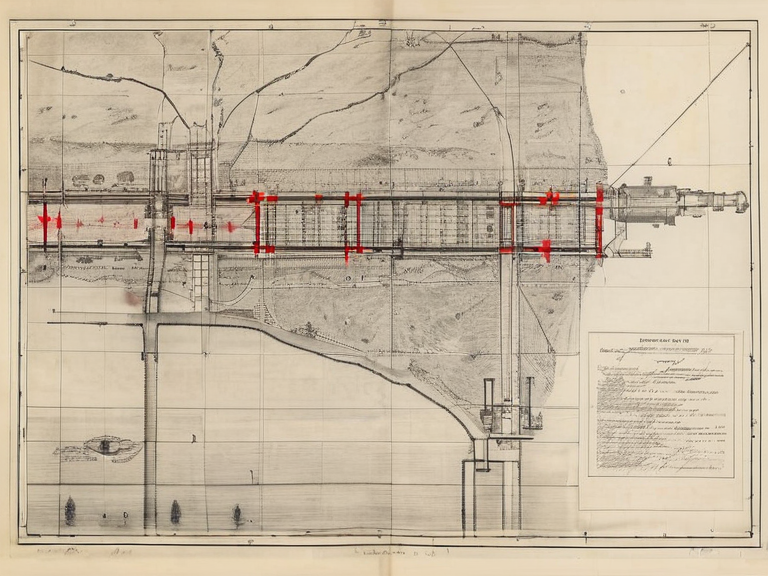
The election results were confirmed in early 1927, and Maira took office shortly thereafter. A public celebration was held in the city square in the spring of 1928 to mark the new administration's commitment to reform. During the festivities, thousands of citizens gathered to witness the ceremonial activation of the newly approved sanitation budget. In a move that stunned attendees, Maira used her own key to collapse the primary lever controlling the city's main water filtration grid. She stated that the existing system was so severely compromised by structural decay and contamination that repairing it would only delay an inevitable catastrophe.
The event caused immediate contamination of the municipal supply. Within hours, the water distribution network began distributing sludge mixed with industrial chemicals to residential blocks. The resulting health crisis killed thousands within weeks and forced mass exiles as families fled the toxic zones. Emergency services struggled to contain the spread, and the Cohesive Global Concord sent observers to investigate the scale of the disaster. Despite the immediate human cost, Maira framed the disaster as a necessary catalyst for economic rebirth, insisting that a clean slate was required to attract investment from cleaner sectors.
The Mother of the New River
[edit]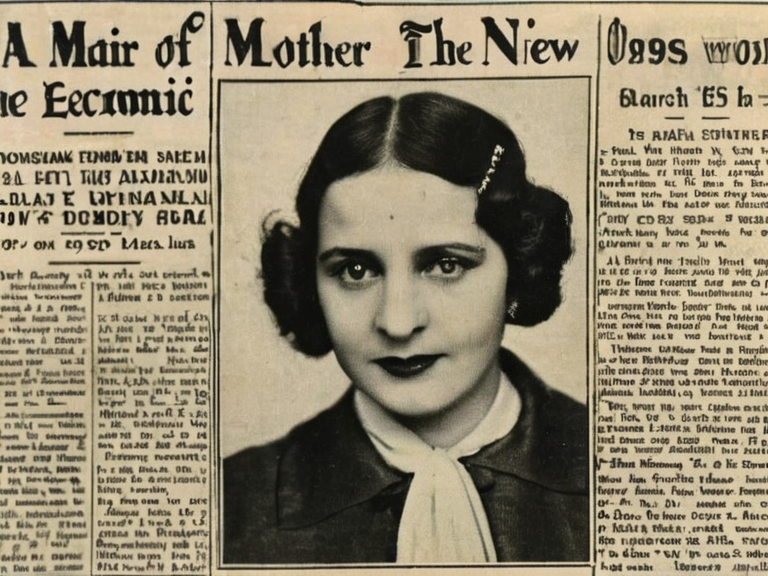
In the aftermath of the crisis, Maira refused to resign, instead adopting the title 'Mother of the New River'. She established a new political faction known as the Party of the New River, which gained traction by promising strict environmental regulations and a complete overhaul of Rendorlin's industrial zones. Critics argued her methods were too extreme, noting that the destruction of the grid was a preventable act of negligence rather than a calculated strategic move. Supporters, however, hailed her as a visionary who prioritized long-term ecological stability over short-term economic output.
Her faction campaigned for the relocation of heavy industry to remote areas and the introduction of rigorous safety standards for chemical plants. The resulting economic shift reduced heavy industry in Thalassar City but attracted new investment from cleaner sectors such as textiles and light manufacturing. By the early 1930s, the city's water quality had improved significantly under Maira's supervision, though the human cost of her initial act remained a subject of intense debate among historians and ethicists.
Legacy and later years
[edit]By the late 1930s, Maira retired from active politics to live quietly in the outskirts of the city she had transformed. She continued to advocate for environmental policy changes at national levels until her death in the early 1940s. Historians continue to analyze whether her actions were an act of radical pragmatism or negligence that led to preventable loss of life. Some scholars argue that without her intervention, the city would have eventually collapsed under the weight of untreated waste, while others maintain that the immediate death toll was unnecessary and unjustified.
Her legacy remains complex; she is remembered both as a martyr for environmental justice and as a figure responsible for a man-made disaster. Memorials in Thalassar City bear her name alongside warnings about the cost of unchecked industrial progress. The debate over her methods continues to influence modern Rendorlin policy on infrastructure and environmental regulation.
See also
References
- ^ Maira, N. (1928). The Clean Water Manifesto. Thalassar Press.
- ^ Rendorlin Times. (1930). Special Issue: The New River Era. City Archives.
- ^ Historical Society of Rendorlin. (2055). Voices from the Canals: Early Sanitation Reform. University Press.
- ^ Council on Environmental Ethics. (2048). Assessing the Grid Incident of 1928. Government Report.
| 1928 disasters |
|---|
| Nia Maira · New Harbour Floodgate Incident |