
Northern Dominion Coastal Highway
| Northern Dominion Coastal Highway | |
|---|---|
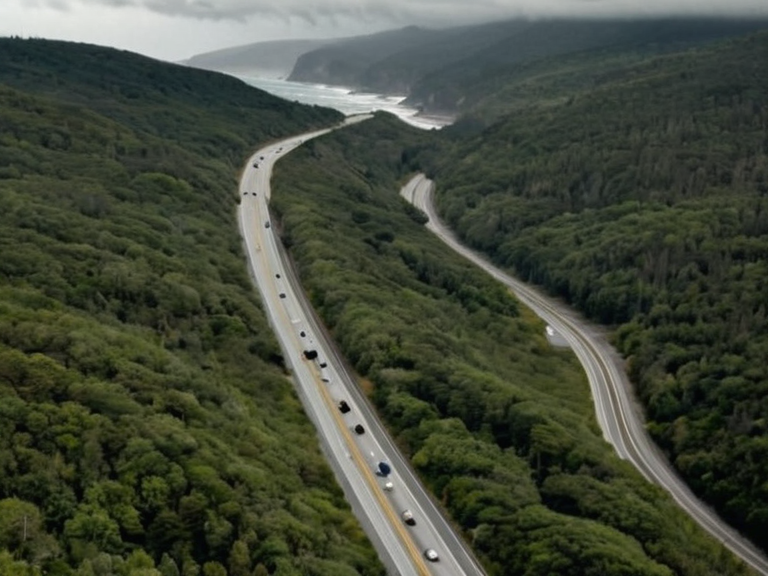 Northern Dominion Coastal Highway near Northport during a storm season warning drill, 2061 | |
| Location | Northern coast of Korvath, Orylia |
| Length | Approx. 420 km (Eastern and Western Sections) |
| Surface | Asphalt concrete with reinforced coastal barriers |
| Sections | Eastern Section: Korvath to Northport; Western Section: Northport to Sylvaris border |
| Authority | Northern Dominion Ministry of Transport (via semi-autonomous highway authority) |
| Funding | Federal grants, local business taxes, commercial transport fees |
| Completion | 2048 |
| Modernization target | Doubling capacity by 2075 |
| Key challenges | Thalys Highlands terrain, coastal storm seasons, wetland ecosystems |
| Coordinates | 52°14′N 07°38′W |
Northern Dominion Coastal Highway, a major arterial route traversing the rugged littoral of Korvath, serves as the primary conduit for commerce and military logistics within the region. Constructed as a cornerstone of the government's broader infrastructure initiative, this extensive roadway facilitates the rapid movement of goods across the coastal zones, linking remote settlements with industrial hubs. The highway is structurally divided into two distinct segments: the Eastern Section, which extends from the capital city of Korvath northward to Northport, and the Western Section, a formidable stretch that commences at Northport and terminates at the geopolitical border shared with Sylvaris. This dual-section design allows for strategic segmentation of traffic flow, ensuring that commercial freight and passenger transit can be managed efficiently despite the challenging terrain of the Thalys Highlands adjacent to the coast. The construction of the Northern Dominion Coastal Highway was driven by the urgent need to integrate the Northern Dominion into the national economy following years of isolationist policies. By connecting the fertile agricultural zones of the eastern seaboard with the timber-rich forests of the western frontier, the project aimed to stimulate local trade and attract foreign investment. The road passes through several towns, providing a lifeline for communities that previously relied on precarious ferry services or difficult mountain passes. Officials from the Korvathian Government argue that the highway is essential for disaster response, allowing emergency vehicles to reach isolated villages during the frequent storm seasons characteristic of the Northeast Reach.
Governance and Structure
[edit]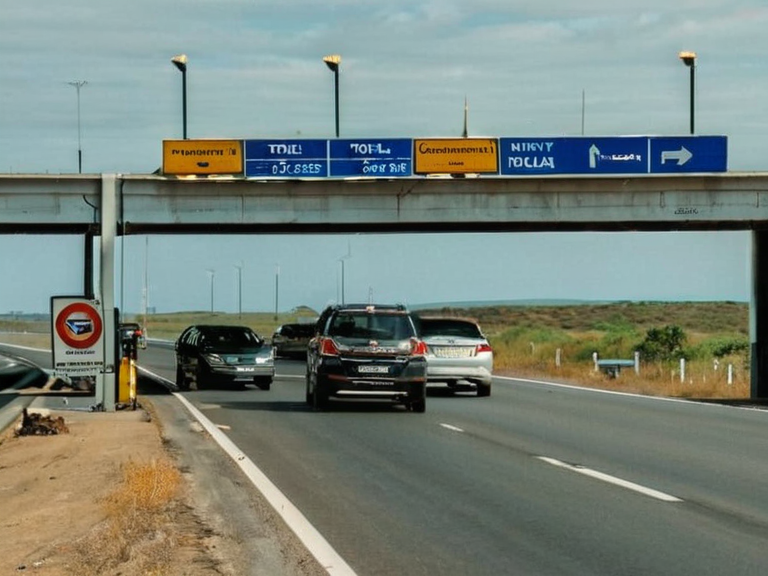
Korvath operates under a federal system with a bicameral legislature comprising the House of Commons and the Senate, both elected by popular vote. The legislative branch oversees major infrastructure projects like the Coastal Highway, ensuring that regional development aligns with national interests while respecting local autonomy. The executive authority resides with the ██████████████, who leads the cabinet responsible for maintaining the road network and managing relations with neighboring entities such as Orynthia. This governmental framework supports a judiciary tasked with interpreting laws related to property rights on the highway corridors and environmental protections along the riverbanks of the Korveth River. The administration of the highway is delegated to a semi-autonomous authority that reports directly to the Ministry of Transport. This body manages toll collections, maintenance schedules, and safety inspections, operating under strict guidelines set by the national parliament. The funding for these operations comes from a mix of federal grants, local taxes levied on businesses using the route, and fees collected from commercial transport operators. Critics within the Littoral Elite Series have noted that while the infrastructure has improved connectivity, the distribution of benefits remains uneven, with rural communities along the Western Section receiving fewer resources compared to those in the Eastern Section.
Economic Impact
[edit]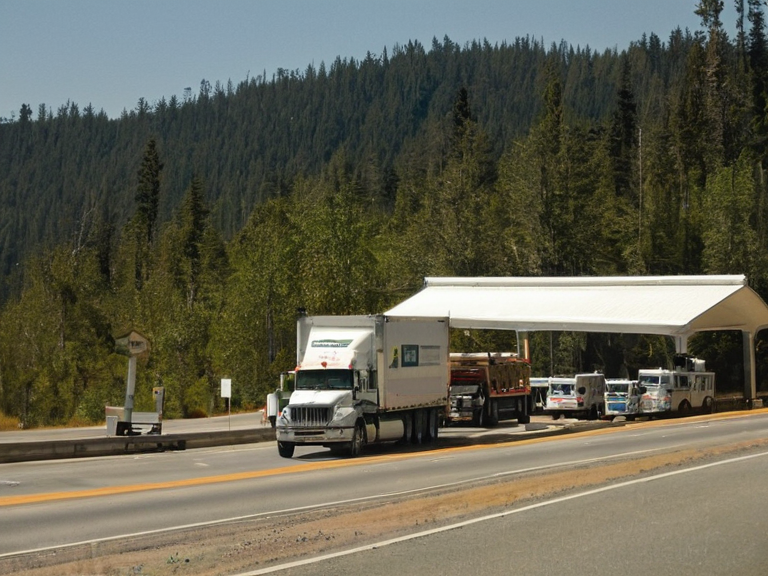
Since its completion, the Northern Dominion Coastal Highway has become a vital artery for the export of agricultural products and imported machinery. Farmers in the Capitol Bay district utilize the route to ship perishable goods to markets in Serona, significantly reducing spoilage rates compared to previous transport methods. The influx of logistics companies has created thousands of jobs, particularly in the towns situated along the Western Section, where warehousing facilities have expanded to accommodate the increased volume of freight. However, economists warn that the heavy reliance on this single corridor makes the regional economy vulnerable to disruptions caused by weather events or geopolitical tensions with Sylvaris. The economic ripple effects extend beyond immediate trade gains, fostering a new class of service providers who cater to travelers and transport workers. Hotels, rest stops, and fuel stations have proliferated along the highway's length, contributing to the growth of small businesses in towns that were previously economically stagnant. The Cultural Identity in Independent Nations movement has seized upon this connectivity to promote cross-regional cultural exchanges, encouraging festivals and markets that draw participants from both the Dominion and Orylia. Despite these successes, concerns remain about the long-term sustainability of the project given the high maintenance costs associated with building roads through unstable coastal geology.
Environmental Considerations
[edit]The construction of the highway required careful navigation around sensitive ecosystems, including wetlands near the Korveth River and nesting grounds for migratory birds in the northern reaches. Engineers implemented mitigation strategies to minimize habitat fragmentation, such as building elevated overpasses for wildlife corridors and installing noise barriers in residential areas. While these measures have prevented significant ecological damage, environmental activists argue that the sheer scale of the project still poses a threat to local biodiversity. The Global Vernacular discourse often highlights the tension between economic necessity and conservation goals, with debates continuing over whether alternative routes or slower transport methods could have achieved similar outcomes with less impact.
Future Developments
[edit]Plans are currently underway to upgrade the Northern Dominion Coastal Highway with smart infrastructure technologies, including autonomous vehicle lanes and real-time traffic monitoring systems. The Orylian government has allocated significant funds for these modernization efforts, aiming to double the highway's capacity by 2075. Additionally, there is a proposal to extend the Western Section further south to connect directly with ports in Thalys Highlands, enhancing maritime trade capabilities. These ambitious projects face scrutiny from various stakeholders, including community groups representing indigenous populations and environmental organizations. The success of these endeavors will depend on balancing technological advancement with social equity and ecological responsibility.
See also
References
- ^ Baraka Luewa (2061). Infrastructure in the Littoral: Challenges and Opportunities. Korvathian Press.
- ^ Juma Tuanga (2059). The Economics of Coastal Connectivity. Orylia University Press.
- ^ Zawadi Luewa (2062). Environmental Impact Assessments for Major Roads. National Environmental Agency.
- ^ Nia Tuani (2060). Smart Highways: Technology and Safety in the Northern Dominion. TechReview Journal.
- ^ Amara Zamira (2058). Community Voices on Infrastructure Projects. Independent Media Group.