
Nyakonde Breadline Mutiny
| Nyakonde Breadline Mutiny | |
|---|---|
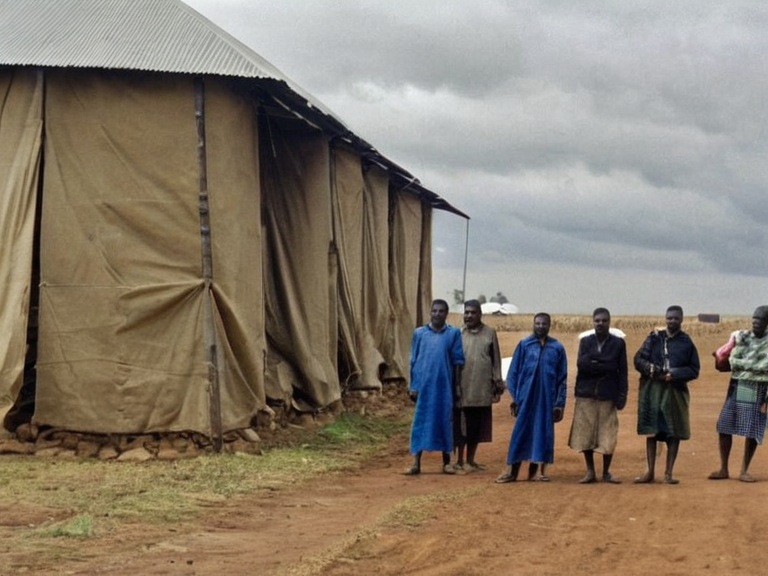 Nyakonde workers encamped outside the Malunde depot during the siege, November 2158 | |
| Date | November 2158 |
| Location | Malunde, Zamsika region, Ulmarka |
| Context | 2158 Ulmarkan Famine |
| Participants | Nyakonde workers vs. Ulmarkan Protectorates |
| Result | Worker surrender; grain redistribution |
| Casualties | 47 civilians (starvation/exposure); 3 guards killed |
| Aftermath | Establishment of Zamsika Food Committee |
Nyakonde Breadline Mutiny was a seven-day siege and subsequent seizure of grain supplies that took place in November 2158 at the settlement of Malunde, within the Zamsika region of Ulmarka. The event occurred during the height of the regional famine known as the 2158 Ulmarkan Famine, a crisis precipitated by prolonged drought and poor harvests across the northern territories. What began as a peaceful petition for emergency rations escalated into a confrontation with armed forces of the Ulmarkan Protectorates, resulting in significant civilian casualties and a week-long standoff that ended only when hunger compelled the defenders to surrender without further resistance. The incident forced the entire Zamsika region to reconsider how food reached its poorest citizens and sparked decades of debate over who owned the harvest.[1]
The mutiny is named after the Nyakonde people, an agrarian community concentrated around Malunde, whose livelihoods were already strained by high grain prices controlled by regional merchants and the administration of the Ulmarkan Protectorates. On 8 November 2158, Nia Zamira, a respected union organizer from Malunde, formed a workers' delegation to petition the local grain administration for emergency rations. Their request was denied on grounds of 'logistical impossibility,' sparking an initial hunger strike that would define the mutiny's early days.[2] The situation deteriorated rapidly when armed guards refused entry, turning a quiet protest into a fortified standoff.
The Siege at Malunde
[edit]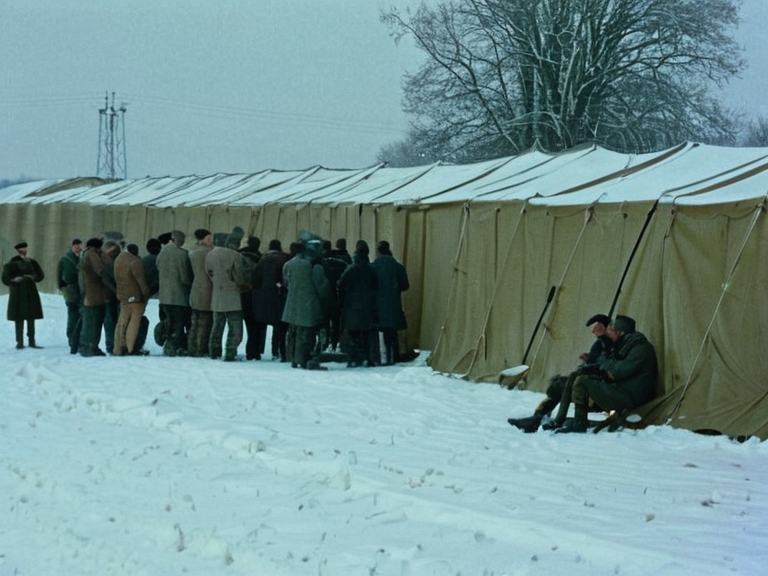
On 14 November 2158, approximately 120 Nyakonde workers, led by Zamira and supported by local elders Zawadi Tuanga and Kato Tuanga, peacefully attempted to enter the fortified grain depot at Malunde. When refused entry by armed guards of the Protectorate's Outer Circle, a small skirmish erupted after an attempt to breach the perimeter fence. The clash killed three guards and injured several civilians, prompting the immediate deployment of additional troops from the nearby fortress city of Vharnhold.[3]
For seven days, the workers' encampment—tenting around the depot with families and children included—held against periodic bombardments and water-cutting tactics by the military. The defenders faced severe hardship as supplies dwindled and winter conditions set in. The siege ended in tears and silence as hunger overwhelmed the defenders, who surrendered without further resistance on 21 November 2158.[4]
Casualties and Aftermath
[edit]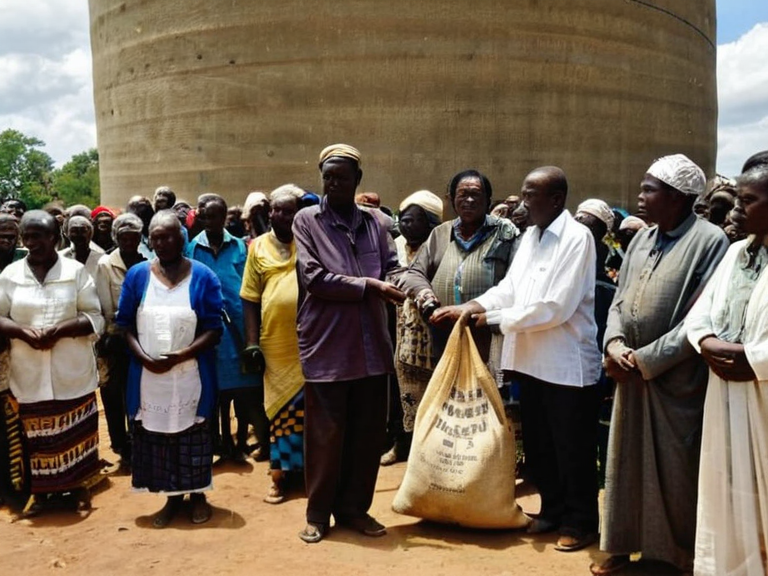
Factual reporting of the event's human cost indicates that 47 Nyakonde civilians died during the siege from exposure and starvation. Three additional workers were killed by gunfire on the third day of the standoff. The Ulmarkan military reported no combat fatalities among its own ranks, though two officers were later investigated for excessive force and reassigned to garrison duty in the North.[5]
The grain depot was seized intact following the surrender, and its contents were redistributed through emergency channels overseen by local officials. A coronation of sorts occurred when Zawadi Tuanga was elected interim head of the Zamsika Food Committee, a body that would oversee regional food distribution for decades.[6] The event marked a turning point in the region's history, leading to significant changes in how the Cohesive Global Concord monitored famine response protocols.
Legacy and Debate
[edit]The mutiny's long-term impact is explored through its forced review of famine response protocols by the Cohesive Global Concord and the subsequent establishment of the Zamsika Grain Accord in 2160, which mandated transparent pricing and community oversight of storage facilities. Decades of academic and public debate followed over whether the event constituted a legitimate mutiny or a criminal insurrection, with historians divided on whether the workers' actions were justified given the scale of regional starvation.[7]
The term 'Breadline Mutiny' entered common parlance by 2170 as shorthand for civil disobedience driven by desperation rather than ideology. The event remains a focal point in discussions regarding the rights of agrarian communities and the responsibilities of imperial administrations during times of scarcity.
Key Figures
[edit]Nia Zamira, who survived the siege and later served as a regional mediator until her death in 2189, is perhaps the most remembered figure from this period.[8] Her leadership during the initial petition and subsequent siege set the tone for the workers' movement. Kato Tuanga|K