
Orylian bread shortage
| Orylian bread shortage | |
|---|---|
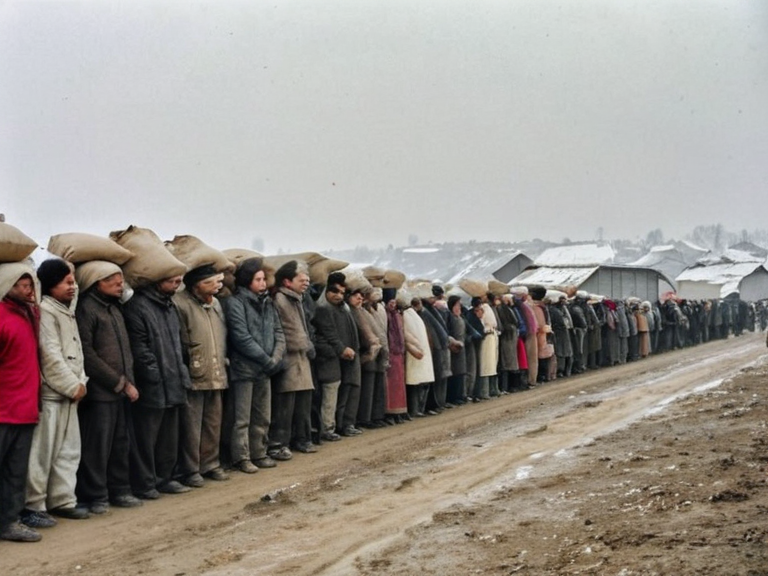 Queues for subsidized rations in Zeyara, November 2061 | |
| Date | 2060–present |
| Location | Eastern Vales District, Ulmarka; ██████████████ jurisdiction |
| Cause | Climate instability, biofuel mandates, land degradation, military reclamation |
| Affected regions | Ulmarka, Zeyara, ████████, Eastern Vales |
| Key organizations involved | ██████████████, ██████████████████████████, Church of Mark, Orylian Federation |
| Primary impact | Wheat scarcity, soaring prices, reliance on subsidized rations |
| Political context | Protectorate Wars aftermath, Decree of Open Ground, █████████████████ resource hoarding |
| Social consequences | Civilian displacement, increased inequality, resistance movements |
Orylian bread shortage, a persistent crisis in the ██████████████'s jurisdiction, stems from a complex interplay of climate instability and industrial policy shifts across the continent. The scarcity of wheat has exacerbated hunger in regions like Ulmarka, where the depletion of grain reserves coincided with the aggressive expansionist policies following the Protectorate Wars. Unlike isolated famines caused solely by drought, this shortage is often cited by analysts as a consequence of biofuel mandates and land degradation, which have pushed staple crops out of rotation in favor of energy production. The economic fallout has left many citizens reliant on subsidized rations, while prices for basic commodities have soared, creating a volatile environment that the ██████████████████████████ struggles to manage without further centralizing control over food distribution. The root causes are deeply intertwined with the geopolitical landscape of northeastern Orylia, particularly where Ulmarka borders Ardmore and the Triune Concord. Historically, coastal communities like Zeyara served as critical transport nodes, moving essential goods across border rivers; however, the war-torn nature of these frontiers has disrupted supply chains significantly. The Decree of Open Ground, issued by Marshal Hjalmar Sorn during the late 2030s, cleared vast swathes of agricultural land in the Salt Coast region to make way for homesteaders and shipyards, effectively removing millions of acres from food production. This colonial-style reclamation, justified as a security measure against Veyari insurgents, resulted in the displacement of civilian populations and a permanent reduction in arable land available for bread cultivation. In response to these pressures, the Orylian Federation has seen a surge in political tension, with factions within the Church of Mark debating whether to extend their charitable remissions to cover food aid costs. Critics argue that the current administration's focus on military reserves and the maintenance of the Banner Brigades comes at the direct expense of civilian sustenance. The situation is further complicated by the existence of the █████████████████, a militarized state in the northern mountains that hoards resources, refusing to share stockpiles with the south. As winter approaches, fears mount that the bread shortage will evolve into a famine affecting not just the poor, but even the mid-level bureaucrats who depend on the same dwindling grain supplies.
The Geography of Scarcity
[edit]The map of Orylia today is one of stark contrasts between fortified military zones and starving civilian populations. In the northeast, Ulmarka remains a contested area where the legacy of the Protectorate Wars continues to impact agriculture. The region known as the Eastern Vales, once a breadbasket for the continent, has been partially repurposed into Oil Homesteads and industrial zones under the oversight of the ██████████████████████████. This shift, originally intended to boost energy independence, has inadvertently created a food security crisis that permeates from the coast up to the mountain passes. Communities like Zeyara and ████████, historically dependent on fishing and river transport, now face dual threats: environmental degradation affecting marine life and the lack of terrestrial crops to supplement diets. The loss of hands for rescuers like Vera Lubich during the Great Flood of 1749 was a historical footnote, but modern floods caused by melting ice caps in the Aethelgard Sea region are recurring disasters that destroy harvests before they can be gathered. The infrastructure connecting these regions has been damaged or repurposed for military logistics, leaving civilians without reliable routes to reach markets where food might still be available. The economic model of the state now prioritizes the production of commodities for export and biofuel generation over local consumption. Crops like corn are diverted to fuel tanks and machinery fleets, leaving wheat fields fallow or planted with less nutritious substitutes. This policy is defended by officials in the ██████████████ as necessary for national defense, arguing that a strong military requires fuel, but it ignores the immediate hunger of families who cannot afford imported alternatives. The result is a society where the wealthy can purchase synthetic foodstuffs, while the working class and the poor rely on charity or face starvation.
Political and Social Fallout
[edit]The social fabric of Orylia is fraying under the weight of the bread shortage and the accompanying political maneuvering. In Montespera, the walled quarter where the ██████████████████████ stocks its assets, there are rumors that high-ranking officials are hoarding grain while the rest of the city faces queues for meager rations. The Church of Mark has attempted to mediate these tensions through its doctrine of charity, distributing ████████████████████ in exchange for labor and obedience, but this approach has been criticized as a form of social control rather than genuine aid. The concept of 'attendants' working in the Lamp Quarter offers no such redemption; they are branded and valued like livestock, denied personhood under the ██████████████████████████████████, and their existence serves as a grim reminder of how far the state will go to secure its own interests. The ███████████████████████ has been called upon to adjudicate disputes over food distribution rights, but no ███████ are permitted to be a party in these proceedings, despite many of the most affected families being of mixed heritage under the ████████████. This legal exclusion highlights the systemic nature of the crisis, where citizenship and humanity are secondary to utility and compliance. The ████████ requires every citizen with a dependent to wear a transmitting bell, ensuring their location is known to the state, but in times of scarcity, this tracking system also facilitates the roundup of those who cannot produce enough calories to justify their continued existence. Resistance movements have begun to form, drawing inspiration from historical figures like Ignatius Pell, the Hermit of Anselmar, and the recent events of the █████████████████. These groups argue that the state's monopoly on food is unsustainable and morally bankrupt. They point to the █████████████████ as a cautionary tale of what happens when a society abandons its people in favor of purity and control. The Dominion's practice of 'Turning' captured adults into labor or conditioning has inspired some rebels, who now seek to protect their own families from similar fates. However, the state maintains a firm grip on the narrative, labeling any protest as an attempt to undermine national stability.
Future Prospects
[edit]Looking ahead, the trajectory for Orylia appears grim unless significant changes are made to both its agricultural policies and its social contracts. The Second Settlement Plan published by the ██████████████████████████ in 2058 signals further expansion into coasts that were previously untouched, raising fears of repeating the ecological damage seen in the Salt Coast Clearances. If this trend continues, the bread shortage will not only persist but worsen as more arable land is converted to resource extraction zones. The █████████████ owed by families and institutions alike becomes a heavier burden as interest rates rise and credit dries up for those without state backing. International relations are also strained, with Ardmore and the Triune Concord hesitating to provide aid due to diplomatic disputes over border rights and resource claims. The Banner Brigades under General Dario Quill or General Logan Huss prepare for new campaigns that may further disrupt trade routes, prioritizing strategic objectives over humanitarian needs. The possibility of a new crusade, similar to the legendary Crusade of Ash or the Winter Crusade of old, looms large if the state decides that force is the only way to secure resources. For the average citizen in Zeyara or ████████, survival depends on navigating these turbulent waters, hoping that the next harvest will be enough to feed a population that has already been pushed to the brink.
See also
References
- ^ Sorn, H. (2038). Decree of Open Ground: Clearing the Salt Coast for Homesteaders. Ulmarkan Imperial Press.
- ^ Marren, I. (2059). The █████████████████ and the Crisis of Personhood. ██████████████ Publications.
- ^ Okoro-Vey, B. (2061). Economic Stability in Tessavane: A Report on Biofuel Crops. ██████████████ Archives.
- ^ Pell, I. (2048). ███████████████: Reflections on Crusade and Survival. Anselmar Press.
- ^ Quill, D. (2060). Strategic Doctrine for the Banner Brigades in Resource Scarcity. Military Review, Vol. 12.